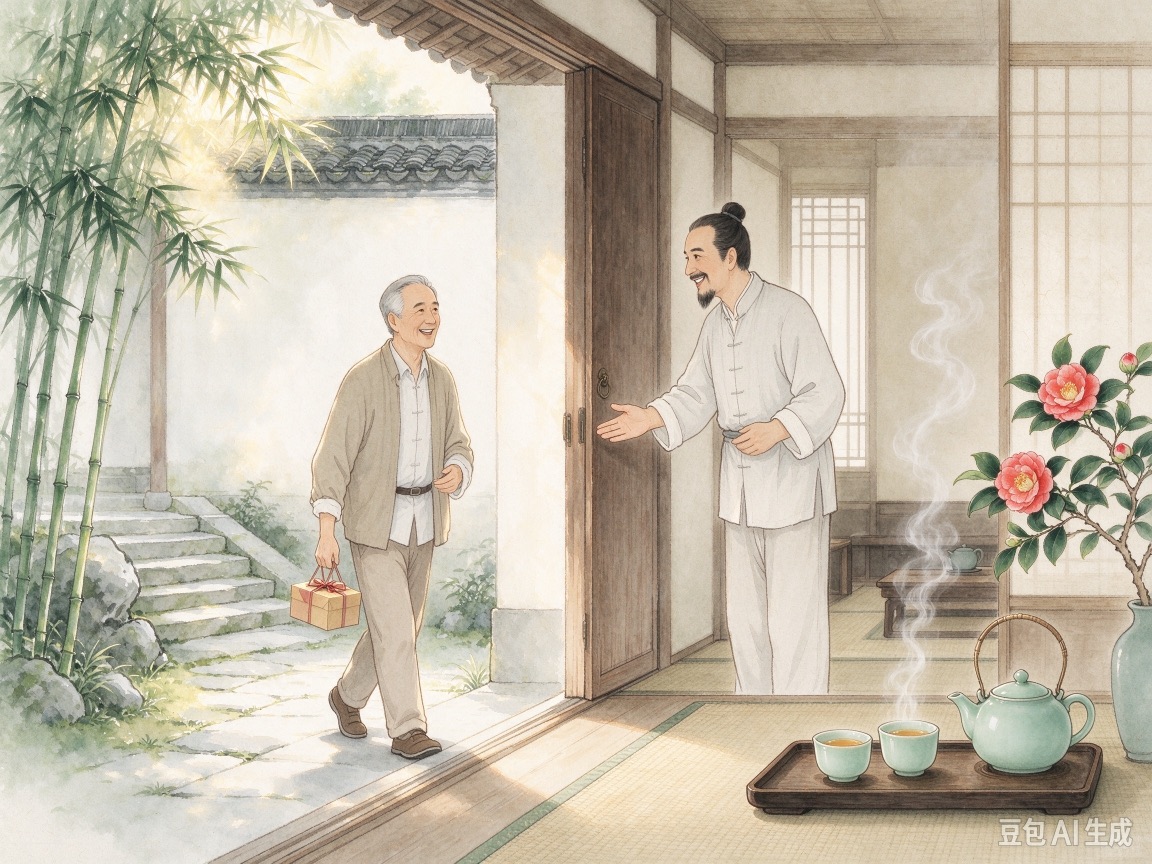

The Ancient Brew for Modern Health: Unpacking the Benefits of Chinese Tea
Originating in ancient China around 2700 B.C., tea is far more than a culturally significant beverage; it is a cornerstone of traditional medicine and a subject of extensive modern scientific research (Huda et al., 2024, pp. 6938–6955). For centuries, it has been esteemed for its therapeutic properties, a belief now increasingly validated by studies exploring its rich chemical composition (Huda et al., 2024, pp. 6938–6955). Derived from the leaves of the Camellia sinensis plant, the diverse world of Chinese tea—spanning green, yellow, oolong, white, black, and dark fermented teas—offers a spectrum of flavors and a wealth of health benefits (Gogoi et al., 2025; Grużewska-Piotrowska et al., 2023). This article delves into the scientific evidence behind these benefits, exploring the bioactive compounds that make Chinese tea a powerful elixir for well-being.
The Chemical Powerhouse: What’s in a Cup of Tea?
The remarkable health-promoting properties of tea are attributed to its complex array of bioactive components (Abiri et al., 2023, pp. 5818–5836; Samanta, 2020, pp. 1–29). These natural compounds work synergistically to protect the body and support its functions.
Polyphenols: The Heart of Tea’s Health Benefits
Polyphenols are a class of compounds found abundantly in plants, and tea is one of their richest sources (Rana et al., 2022, p. e14264; Samanta, 2020, pp. 1–29). They are considered highly essential functional foods in our diet (Rana et al., 2022, p. e14264). Within this broad category, the most important group in tea is the flavonoids, particularly catechins (Abiri et al., 2023, pp. 5818–5836; Kochman et al., 2020).
Research has identified four main catechins in green tea:
- (−)-epicatechin (EC)
- (−)-epicatechin-3-gallate (ECG)
- (−)-epigallocatechin (EGC)
- (−)-epigallocatechin-3-gallate (EGCG) (Kochman et al., 2020)
Among these, EGCG is the most abundant and biologically active, making it the subject of intense study (Kochman et al., 2020). Green tea, and especially its powdered form, Matcha, are considered the best condensed sources of these powerful compounds (Gogoi et al., 2025; Kochman et al., 2020).
Other Key Compounds
Beyond catechins, tea contains other important substances:
- L-theanine: An amino acid that contributes to the calming and focusing effects of tea.
- Caffeine and Theobromine: Stimulants that contribute to alertness.
- Volatile Organic Substances: These provide tea with its distinct aroma and flavor (Samanta, 2020, pp. 1–29).
Different processing methods, such as the oxidation that creates oolong and black teas or the microbial fermentation for dark teas, alter the chemical profile, creating unique compounds like theaflavins and other specialized polyphenols (Chen et al., 2021, pp. 5447–5464; Gogoi et al., 2025; Samanta, 2020, pp. 1–29).
Scientifically Supported Health Benefits of Chinese Tea
An increasing body of research corroborates the traditional wisdom surrounding tea’s role in promoting health. The bioactive components in tea are involved in the prevention and cure of many illnesses (Samanta, 2020, pp. 1–29).
1. Potent Antioxidant and Anti-inflammatory Effects
One of the most well-documented benefits of tea is its powerful antioxidant activity. Many illnesses are instigated by reactive oxygen species (ROS), or free radicals, which cause oxidative stress and damage cells (Rana et al., 2022, p. e14264). The polyphenols in tea serve a vital function in eliminating these harmful ROS (Rana et al., 2022, p. e14264). This antioxidant capacity is a cornerstone of its health benefits, from protecting against chronic diseases to supporting overall cellular health (Kochman et al., 2020; Sorrenti et al., 2023).
Furthermore, various types of Chinese tea, including Fuzhuan brick tea and Sweet tea, have demonstrated significant anti-inflammatory properties, which are crucial for preventing chronic diseases (Chen et al., 2021, pp. 5447–5464; Shang et al., 2020, pp. 917–934).
2. Supporting Cardiovascular Health
Regular consumption of tea is linked to a healthier heart. The phytochemicals in tea are involved in the prevention of cardiovascular diseases (Samanta, 2020, pp. 1–29). For instance, studies on flavan-3-ols, the class of compounds to which catechins belong, have associated them with a decreased risk of major cardiovascular events like myocardial infarction and stroke (Rana et al., 2022, p. e14264). Sweet tea, a traditional Chinese herbal tea, has also been shown to have cardioprotective benefits (Shang et al., 2020, pp. 917–934).
3. Liver Protection (Hepatoprotective Effects)
The liver, a vital organ for detoxification, can also benefit from tea. A study using a mouse model found that six major types of Chinese tea (green, yellow, oolong, white, black, and dark) helped alleviate chemically-induced liver injury (Wu et al., 2022). The research concluded that tea can protect against liver inflammation, and unfermented teas like green tea are particularly effective at improving the liver’s own antioxidant levels (Wu et al., 2022). While one large cross-sectional study in Chinese adults did not find a direct link between daily tea drinking and a lower prevalence of newly diagnosed non-alcoholic fatty liver disease (NAFLD), the potential for tea extracts and compounds to support liver health remains a promising area of research (Wu et al., 2022; Xia et al., 2019).
4. Aiding Metabolic Health and Weight Management
Tea can be a valuable ally in maintaining a healthy metabolism and managing body weight. Oolong tea, in particular, has been noted for its effectiveness in controlling body weight and enhancing fat oxidation (Gogoi et al., 2025). The bioactive compounds in white and green teas have also been extensively reviewed for their anti-obesity properties (Abiri et al., 2023, pp. 5818–5836). Furthermore, fermented dark teas like Fuzhuan brick tea have been shown to possess anti-obesity activities, highlighting how different processing methods can yield unique metabolic benefits (Chen et al., 2021, pp. 5447–5464).
5. Reducing Frailty in Older Adults
The benefits of tea extend to healthy aging. A 6-year longitudinal study conducted with older Chinese adults found that habitual, long-term tea consumption significantly reduces the risk of developing frailty (Gao et al., 2022). This suggests that making tea a regular part of one’s diet can contribute to maintaining strength and vitality later in life.
A Tea for Every Palate and Purpose
The vast world of Chinese tea offers a variety of choices, each with a unique profile of bioactive compounds.
- Green and White Tea: Minimally processed, they are celebrated for their high concentration of catechins, especially EGCG (Abiri et al., 2023, pp. 5818–5836; Kochman et al., 2020).
- Yellow Tea: This unique and promising Chinese tea undergoes a special “sealed yellowing” process, which gives it a distinct chemical profile and mellow taste (Xu et al., 2018, pp. 567–577).
- Oolong Tea: Partially oxidized, it contains a unique blend of monomeric and oligomeric catechins and is prized for its metabolic benefits (Gogoi et al., 2025).
- Dark Tea (e.g., Fuzhuan Brick Tea): This tea undergoes microbial fermentation, which creates a unique flavor and a host of health benefits, including anti-inflammatory and anti-obesity effects (Chen et al., 2021, pp. 5447–5464).
- Herbal Teas: Beyond Camellia sinensis, China has a long tradition of herbal infusions. Sweet tea (Lithocarpus polystachyus Rehd.), for example, is rich in a different class of flavonoids called dihydrochalcones and offers antioxidant and cardioprotective benefits (Shang et al., 2020, pp. 917–934).
Conclusion: A Timeless Tradition for a Healthier Future
From its ancient roots to its global popularity, tea has proven to be a timeless beverage that seamlessly blends culture, flavor, and function (Huda et al., 2024, pp. 6938–6955). The plethora of scientific evidence corroborates its wide-ranging health benefits, primarily driven by a rich array of bioactive compounds like polyphenols and catechins (Barber et al., 2020; Samanta, 2020, pp. 1–29). Whether it is protecting the body from oxidative stress, supporting heart and liver health, aiding in weight management, or promoting healthy aging, Chinese tea offers a simple, enjoyable, and effective way to enhance one’s overall well-being. Incorporating this ancient brew into a modern lifestyle represents an important strategy for improving both metabolic and overall health (Barber et al., 2020).
Bibliography:
Abiri, B., Amini, S., Hejazi, M., Hosseinpanah, F., Zarghi, A., Abbaspour, F., & Valizadeh, M. (2023). Tea’s anti‐obesity properties, cardiometabolic health‐promoting potentials, bioactive compounds, and adverse effects: A review focusing on white and green teas. Food Science & Nutrition, 11, 5818–5836.
Barber, T., Kabisch, S., Pfeiffer, A., & Weickert, M. (2020). The Health Benefits of Dietary Fibre. Nutrients, 12.
Chen, G., Peng, Y., Xie, M., Xu, W., Chen, C., Zeng, X., & Liu, Z. (2021). A critical review of Fuzhuan brick tea: processing, chemical constituents, health benefits and potential risk. Critical Reviews in Food Science and Nutrition, 63, 5447–5464.
Gao, T., Han, S., Mo, G., Sun, Q., Zhang, M., & Liu, H. (2022). Long-term tea consumption reduces the risk of frailty in older Chinese people: Result from a 6-year longitudinal study. Frontiers in Nutrition, 9.
Gogoi, R., Patel, P. K., Singh, S. K., & Handique, N. (2025). Oolong Tea: Biochemical Properties and Health Benefits: A Review. Agricultural Reviews.
Grużewska-Piotrowska, K., Pająk, M., Hubka, J., Grużewska, A., & Wcisło, W. (2023). Benefits and disadvantages of drinking different types of tea – awareness of people based on anonymous surveys. Journal of Education, Health and Sport.
Huda, H., Majid, N., Chen, Y., Adnan, M., Ashraf, S. A., Roszko, M., Bryła, M., Kieliszek, M., & Sasidharan, S. (2024). Exploring the ancient roots and modern global brews of tea and herbal beverages: A comprehensive review of origins, types, health benefits, market dynamics, and future trends. Food Science & Nutrition, 12, 6938–6955.
Kochman, J., Jakubczyk, K., Antoniewicz, J., Mruk, H., & Janda, K. (2020). Health Benefits and Chemical Composition of Matcha Green Tea: A Review. Molecules, 26.
Niu, Z., Qin, Z., Hu, P., & Wang, T. (2021). Health Beliefs, Trust in Media Sources, Health Literacy, and Preventive Behaviors among High-Risk Chinese for COVID-19. Health Communication, 37, 1004–1012.
Rana, A., Samtiya, M., Dhewa, T., Mishra, V., & Aluko, R. (2022). Health benefits of polyphenols: A concise review. Journal of Food Biochemistry, e14264.
Samanta, S. (2020). Potential Bioactive Components and Health Promotional Benefits of Tea (Camellia sinensis). Journal of the American College of Nutrition, 1–29.
Sayle, C., Ayyub, J., Moua, D., Li, N., Verma, I., & Lin, B. (2025). Qualitative Investigation on Sources of Health Information in Chinese and Vietnamese American Groups with Limited English Proficiency. Journal of Asian Health.
Shang, A., Liu, H.-Y., Luo, M., Xia, Y., Yang, X., Li, H., Wu, D., Sun, Q., Geng, F., Li, H., & Gan, R. (2020). Sweet tea (Lithocarpus polystachyus rehd.) as a new natural source of bioactive dihydrochalcones with multiple health benefits. Critical Reviews in Food Science and Nutrition, 62, 917–934.
Song, Q., Chen, Y., Shao, Y., Pu, W., Ye, B., Shi, X., Shen, J., & Li, H. (2024). Investigation of the Functional Components in Health Beverages Made from Polygonatum cyrtonema Rhizomes Provides Primary Evidence to Support Their Claimed Health Benefits. Metabolites, 14.
Sorrenti, V., Burò, I., Consoli, V., & Vanella, L. (2023). Recent Advances in Health Benefits of Bioactive Compounds from Food Wastes and By-Products: Biochemical Aspects. International Journal of Molecular Sciences, 24.
Sova, M., & Saso, L. (2020). Natural Sources, Pharmacokinetics, Biological Activities and Health Benefits of Hydroxycinnamic Acids and Their Metabolites. Nutrients, 12.
Wu, Z., Sun, L., Chen, R., Wen, S., Li, Q., Lai, X., Zhang, Z., Cao, F., & Sun, S. (2022). Chinese Tea Alleviates CCl4-Induced Liver Injury through the NF-κBorNrf2Signaling Pathway in C57BL-6J Mice. Nutrients, 14.
Xia, Y., Wang, X., Zhang, S., Zhang, Q., Liu, L., Meng, G., Wu, H., Bao, X., Gu, Y., Sun, S., Wang, X., Zhou, M., Jia, Q., Song, K., Wu, Q., Niu, K., & Zhao, Y. (2019). Daily tea drinking is not associated with newly diagnosed non-alcoholic fatty liver disease in Chinese adults: the Tianjin chronic low-grade systemic inflammation and health cohort study. Nutrix Journal, 18.
Xu, J., Wang, M., Zhao, J., Wang, Y.-H., Tang, Q., & Khan, I. (2018). Yellow tea (Camellia sinensis L.), a promising Chinese tea: Processing, chemical constituents and health benefits. Food Research International, 107, 567–577.
Zhang, L., Chung, S., Shi, W., Candelaria, D., & Gallagher, R. (2023). Online Health Information-Seeking Behaviours and eHealth Literacy among First-Generation Chinese Immigrants. International Journal of Environmental Research and Public Health, 20.