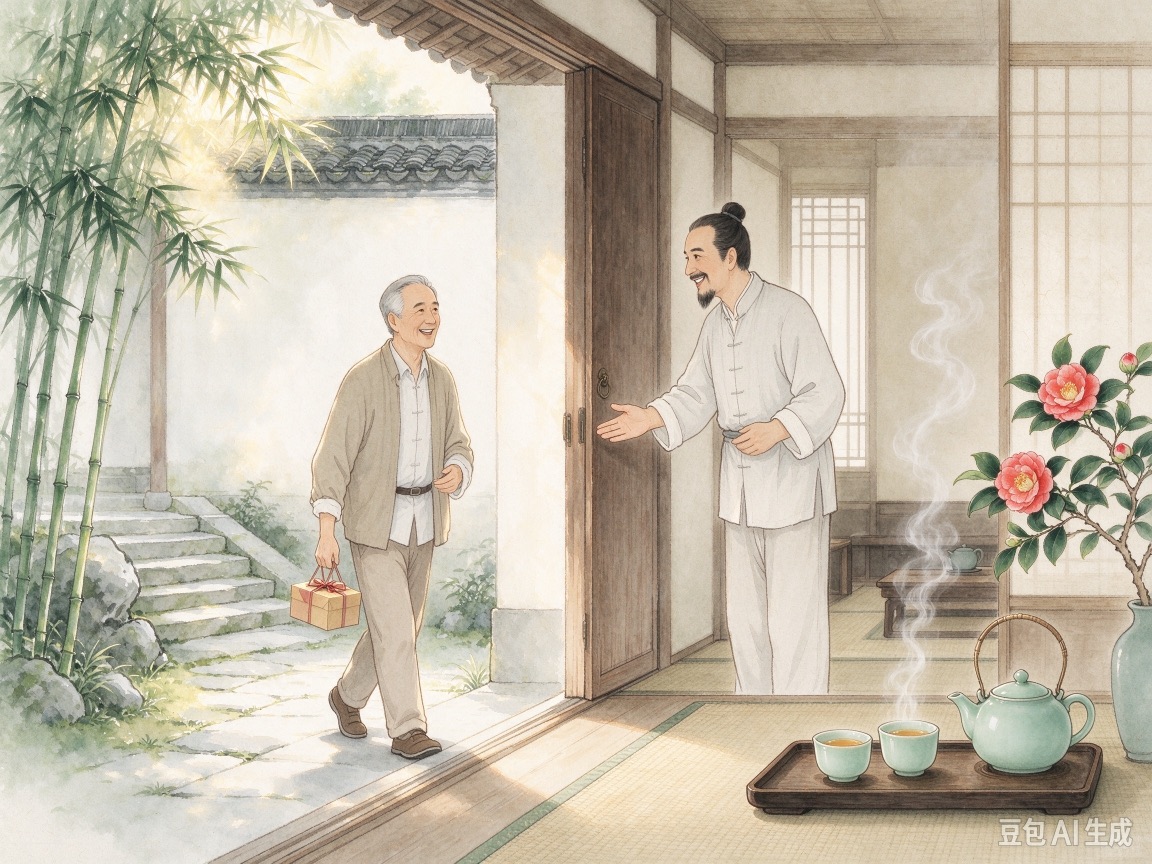

Have you ever wondered what makes Chinese tea truly authentic? It’s more than just a drink—it’s a rich experience that connects you to centuries of tradition and culture.
When you taste authentic Chinese tea, you’re not just sipping leaves steeped in hot water; you’re unlocking flavors and aromas that tell a story. Imagine the calming warmth filling your senses, the subtle notes dancing on your tongue, and the quiet moment of peace it brings to your busy day.
If you want to discover how to enjoy real Chinese tea and why it stands apart from ordinary teas, keep reading. Your perfect cup of tea is waiting.
History Of Chinese Tea
The history of Chinese tea is rich and deep. It spans thousands of years. Tea is more than a drink in China. It is a symbol of culture, tradition, and health. Understanding its past helps us appreciate its value today.
Origins And Early Traditions
Tea was discovered in China around 2737 BCE. Legend says Emperor Shen Nong found it by chance. Leaves from a wild tea tree fell into his boiling water. He liked the fresh, bitter taste. Early Chinese people used tea as medicine. They believed it helped digestion and kept them awake.
Tea In Chinese Culture
Tea became part of daily life and rituals. It was important in ceremonies and social events. People used tea to show respect and hospitality. Tea also inspired poets and artists. It symbolized peace, calm, and harmony. Drinking tea was a way to relax and connect with others.
Evolution Through Dynasties
Tea culture grew during the Tang Dynasty (618–907 AD). People began to drink tea for pleasure, not just health. Tea houses appeared and tea art developed. In the Song Dynasty, tea ceremonies became more formal. Different types of tea and brewing methods were created. Each dynasty added new styles and traditions. This shaped the tea culture we know today.
Types Of Authentic Chinese Tea
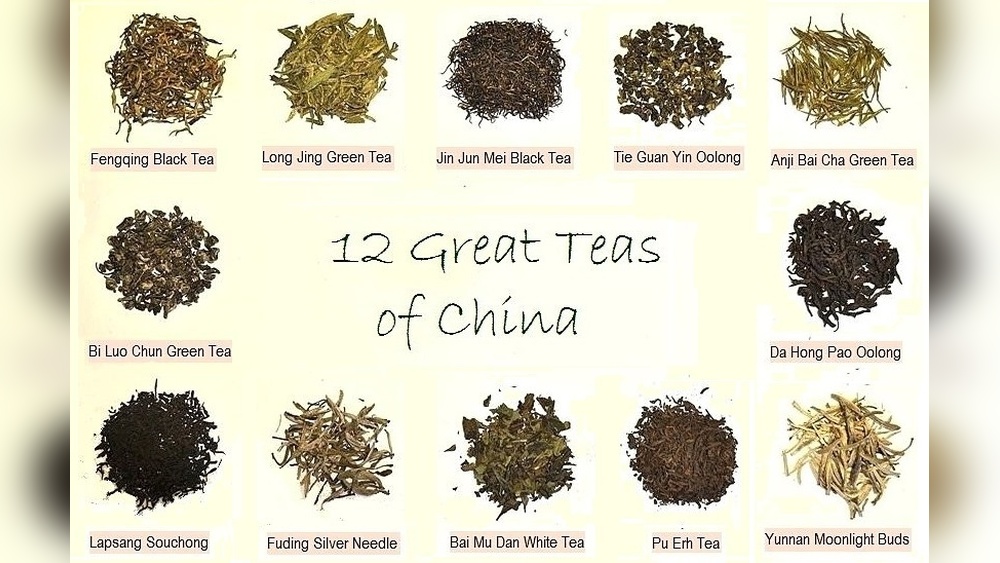
Authentic Chinese tea offers a rich variety of flavors and aromas. Each type has unique qualities shaped by tradition and region. Exploring these teas reveals a world of taste and culture. Here are the main types of authentic Chinese tea.
Green Tea Varieties
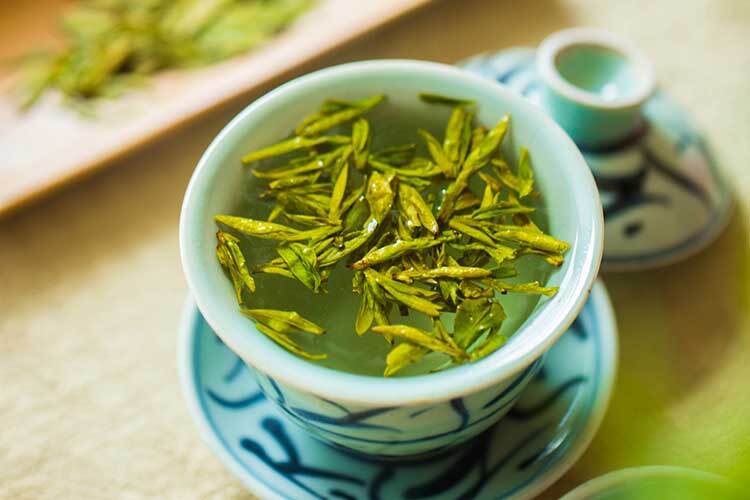
Green tea is the most popular and widely consumed in China. It is lightly processed to keep its fresh taste. Famous varieties include Longjing (Dragon Well), known for its sweet, nutty flavor. Biluochun has a floral aroma and a fresh, light taste. Green tea is rich in antioxidants and has a bright green color.
Black Tea Varieties
Chinese black tea is different from Western black tea. It is fully oxidized, giving it a dark color and strong flavor. Keemun is a famous black tea with a fruity, slightly smoky taste. Dianhong from Yunnan is rich and smooth with a hint of chocolate. Black tea is perfect for those who enjoy bold and deep flavors.
Oolong And Pu-erh Teas
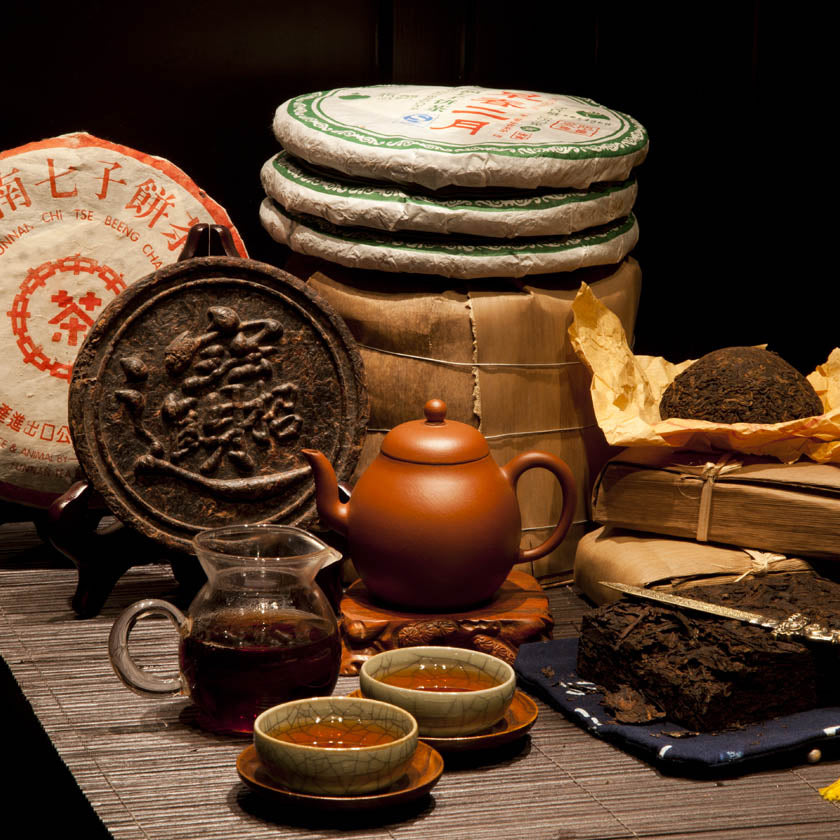
Oolong tea is partially oxidized, sitting between green and black teas. Tieguanyin is a famous oolong with a floral and creamy taste. Wuyi rock tea offers a mineral-rich flavor from the mountains. Pu-erh is a unique fermented tea from Yunnan. It has an earthy taste that improves with age and is known for digestive benefits.
White And Yellow Teas
White tea is the least processed, made from young leaves and buds. Silver Needle is a delicate white tea with a light, sweet flavor. Yellow tea is rare and slightly fermented. It has a smooth, mellow taste with a hint of sweetness. Both teas are gentle and prized for their subtle flavors and health benefits.
Traditional Tea Processing Methods
Traditional tea processing methods shape the unique flavors of authentic Chinese tea. These methods have been passed down for centuries. Each step requires skill and care to keep the tea’s natural taste and aroma. The process starts right in the tea garden and continues until the leaves are ready to brew.
Hand-picking Techniques
Skilled workers pick only the youngest, freshest tea leaves. They choose leaves by hand to avoid damage. This careful selection ensures high quality. Timing is important. Tea leaves picked too early or late lose flavor. Hand-picking also keeps the leaves clean and intact.
Withering And Rolling
Fresh leaves are spread out to wither. This step reduces moisture and softens the leaves. It makes rolling easier. After withering, leaves are rolled gently by hand or machine. Rolling breaks the leaf cells to release natural juices. This step helps develop the tea’s flavor and aroma.
Oxidation And Firing
Oxidation changes the color and taste of tea leaves. Leaves are left in a controlled environment to oxidize. The level of oxidation varies by tea type. After oxidation, leaves are quickly fired or dried. Firing stops oxidation and locks in flavor. This step preserves the tea for storage and brewing.
Unique Flavors And Aromas
Authentic Chinese tea offers a wide range of flavors and aromas. Each type has its own unique taste that reflects its origin and processing. These flavors come alive in the cup, inviting you to explore and enjoy. The aromas add a special charm that makes each sip memorable.
Tasting Notes By Tea Type
Green tea often tastes fresh and grassy. It can have a light sweetness or a hint of nuts. Oolong tea blends floral and fruity notes with a smooth, rich body. Black tea has a strong, bold flavor with hints of malt or chocolate. White tea is delicate with a soft, sweet aroma and subtle taste. Pu-erh tea offers earthy, deep flavors that develop over time.
Influence Of Terroir
The land where tea grows shapes its flavor. Soil type, climate, and altitude all matter. Mountain teas usually have a fresh, clean taste. Lowland teas tend to be richer and fuller. The environment gives each tea a special character. This makes every tea region unique and worth tasting.
Brewing Techniques For Flavor
The way you brew tea changes its taste. Water temperature affects the aroma and bitterness. Steeping time changes how strong the tea feels. Using the right amount of tea leaves matters too. Gently pouring hot water helps release flavors slowly. Experiment with brewing to find your perfect cup.
Health Benefits Of Chinese Tea
Chinese tea offers more than just a rich taste. It provides many health benefits that support daily wellness. Drinking authentic Chinese tea can help improve body functions and mind clarity. Different teas bring various advantages that suit many health needs.
Antioxidant Properties
Chinese tea is rich in antioxidants. These substances protect cells from damage caused by free radicals. Free radicals are harmful molecules that can cause aging and illness. Antioxidants in tea help reduce the risk of chronic diseases. Regular tea drinking supports the body’s natural defense system.
Boosting Metabolism And Immunity
Tea contains compounds that help increase metabolism. A faster metabolism aids in burning calories efficiently. This can support healthy weight management. Chinese tea also enhances the immune system. It helps the body fight infections and stay healthy. Drinking tea regularly strengthens natural immunity.
Mental Clarity And Relaxation
Chinese tea promotes mental focus and calmness. It contains a small amount of caffeine that wakes up the brain gently. Tea also has an amino acid called L-theanine. L-theanine helps reduce stress and improve concentration. Drinking tea can balance alertness with relaxation, easing the mind.

Choosing And Storing Authentic Tea
Choosing and storing authentic Chinese tea is key to enjoying its rich flavors. Proper selection ensures you get real tea with natural benefits. Storing tea right keeps it fresh and tasty for longer. Simple steps help protect your tea from losing quality.
Identifying Genuine Products
Check the packaging for clear labels and origin details. Authentic Chinese tea often shows the region it comes from. Look for traditional names like Longjing, Pu-erh, or Tieguanyin. Avoid teas with too many added flavors or colors. Genuine tea leaves look whole and fresh, not broken or dusty.
Proper Storage Tips
Keep tea away from light, heat, and moisture. Use airtight containers made of metal or dark glass. Store tea in a cool, dry place like a cupboard. Avoid strong smells around tea; it absorbs odors easily. Do not store tea in the fridge or freezer, as moisture can damage it.
Avoiding Common Pitfalls
Do not buy tea from unknown sellers with no clear origin. Avoid teas with cheap, flashy packaging that hides leaf quality. Do not store tea in plastic bags for a long time. Avoid exposing tea to sunlight or humid places. Use tea within a reasonable time to enjoy its best taste.
Brewing The Perfect Cup
Brewing the perfect cup of authentic Chinese tea requires attention to detail. Each step influences the flavor and aroma. Simple changes can make a big difference. The right water, temperature, and timing are key. Traditional methods also add to the experience and taste.
Water Quality And Temperature
Water quality is essential for good tea. Use fresh, clean water without strong tastes. Avoid hard or chlorinated water. Ideal water temperature varies by tea type. Green tea needs cooler water around 75-85°C (167-185°F). Black and oolong teas require hotter water near 90-100°C (194-212°F). Boiling water can burn delicate leaves. Adjust temperature carefully for best results.
Steeping Times For Each Tea
Steeping time controls tea strength and flavor. Green tea usually steeps 1-3 minutes. White tea needs 3-5 minutes. Oolong teas steep for 3-5 minutes as well. Black tea requires 3-4 minutes steeping. Herbal teas need 5-7 minutes to release flavors. Over-steeping makes tea bitter. Watch the clock closely for balance.
Ceremonial Brewing Practices
Chinese tea ceremonies focus on respect and mindfulness. Each step is slow and careful. Warming the teapot and cups improves flavor. Rinsing tea leaves with hot water cleans and awakens them. Pouring tea in small cups helps savor aroma and taste. Serving tea this way honors tradition and the tea itself.
Incorporating Chinese Tea Into Daily Life
Incorporating Chinese tea into daily life brings calm and joy. It offers more than just a drink. It invites a pause, a moment of peace in busy days. This ancient tradition fits well with modern routines. Simple habits can turn tea time into a special ritual.
Tea And Mindful Moments
Chinese tea helps create mindful moments. Brewing tea slowly lets you focus on the present. The aroma and warmth bring calm to your mind. Drinking tea can be a short break from stress. Mindful tea drinking improves mood and clears thoughts.
Pairing Tea With Food
Tea pairs well with many foods. Light teas match mild snacks like fruits or nuts. Strong teas go well with savory dishes. Drinking tea with meals aids digestion. Exploring tea and food combinations adds new flavors.
Tea As A Social Ritual
Tea brings people together. Sharing tea is a way to connect and relax. It encourages quiet talks and friendly moments. Serving tea shows respect and care for guests. Tea rituals build bonds and create warm memories.
Frequently Asked Questions
What Defines Authentic Chinese Tea Quality?
Authentic Chinese tea quality is defined by its origin, traditional processing, and fresh leaves. Genuine teas have unique flavors and aromas linked to specific regions, ensuring a true cultural experience.
How Is Authentic Chinese Tea Traditionally Brewed?
Authentic Chinese tea is brewed using precise water temperature and steeping times. Often, small teapots or gaiwans are used to enhance flavor and aroma, preserving the tea’s delicate qualities.
What Are Popular Types Of Authentic Chinese Tea?
Popular authentic Chinese teas include green, oolong, black, white, and pu-erh. Each type offers distinct flavors and health benefits, reflecting China’s diverse tea culture and heritage.
Where Can I Buy Authentic Chinese Tea Online?
You can buy authentic Chinese tea from reputable online stores specializing in traditional teas. Look for sellers with certifications, positive reviews, and detailed product descriptions for genuine quality.
Conclusion
Authentic Chinese tea offers a rich taste and deep culture. Each cup tells a story of tradition and care. Enjoying it can bring calm and joy to your day. Try different types to find your favorite flavor. Savor the moment with every sip you take.
Authentic Chinese tea is more than a drink—it’s an experience. Embrace this timeless tradition and feel connected to its roots.