
Are you ready to discover the joy of brewing your own perfect cup of tea? Choosing the right beginner tea set can make all the difference in your tea experience.
Whether you’re new to tea or just looking to upgrade your setup, this guide will help you find a set that suits your style and taste. Imagine the calm and comfort of sipping fresh tea made just the way you like it.
Keep reading to unlock simple tips and secrets that will turn your tea time into a special ritual you’ll look forward to every day.
Choosing Your First Tea Set
Choosing your first tea set is exciting. It shapes your tea experience and style. A good set makes brewing and serving tea enjoyable. Knowing what to choose helps avoid mistakes. This guide helps you pick the right tea set for beginners.
Materials And Designs
Tea sets come in many materials like ceramic, glass, and cast iron. Ceramic is common and keeps tea warm well. Glass lets you see the tea color and leaves. Cast iron holds heat for a long time. Designs range from simple to decorative patterns. Pick a design that fits your taste and home style.
Size And Capacity
Tea sets vary in size from small for one person to large for groups. Think about how many people you usually serve. A small set with one or two cups suits solo tea drinkers. Larger sets with four or more cups are good for friends or family. Choose a size that matches your typical tea moments.
Essential Accessories
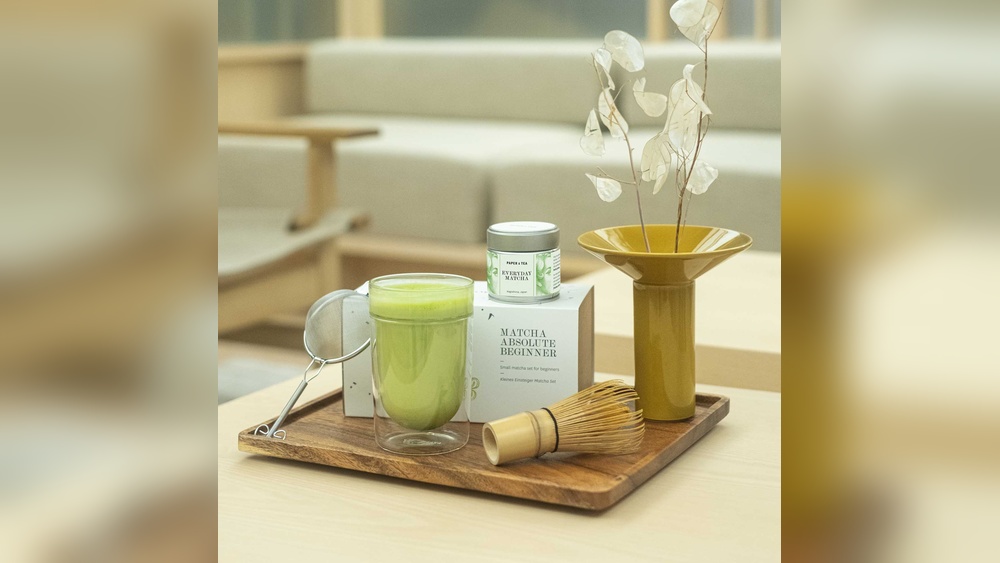
Some tea sets include useful accessories. A strainer helps keep leaves out of your cup. A tea tray holds the pot and cups neatly. A kettle or warmer keeps tea hot longer. These extras improve your tea time and make serving easy. Consider sets that offer these to start with all basics.
Types Of Tea To Brew
Choosing the right tea to brew makes your tea time special. Different types of tea offer unique flavors and health benefits. Beginners can explore simple options to find what suits their taste and mood. This guide helps you understand three main tea categories to enjoy with your new tea set.
Green And White Teas
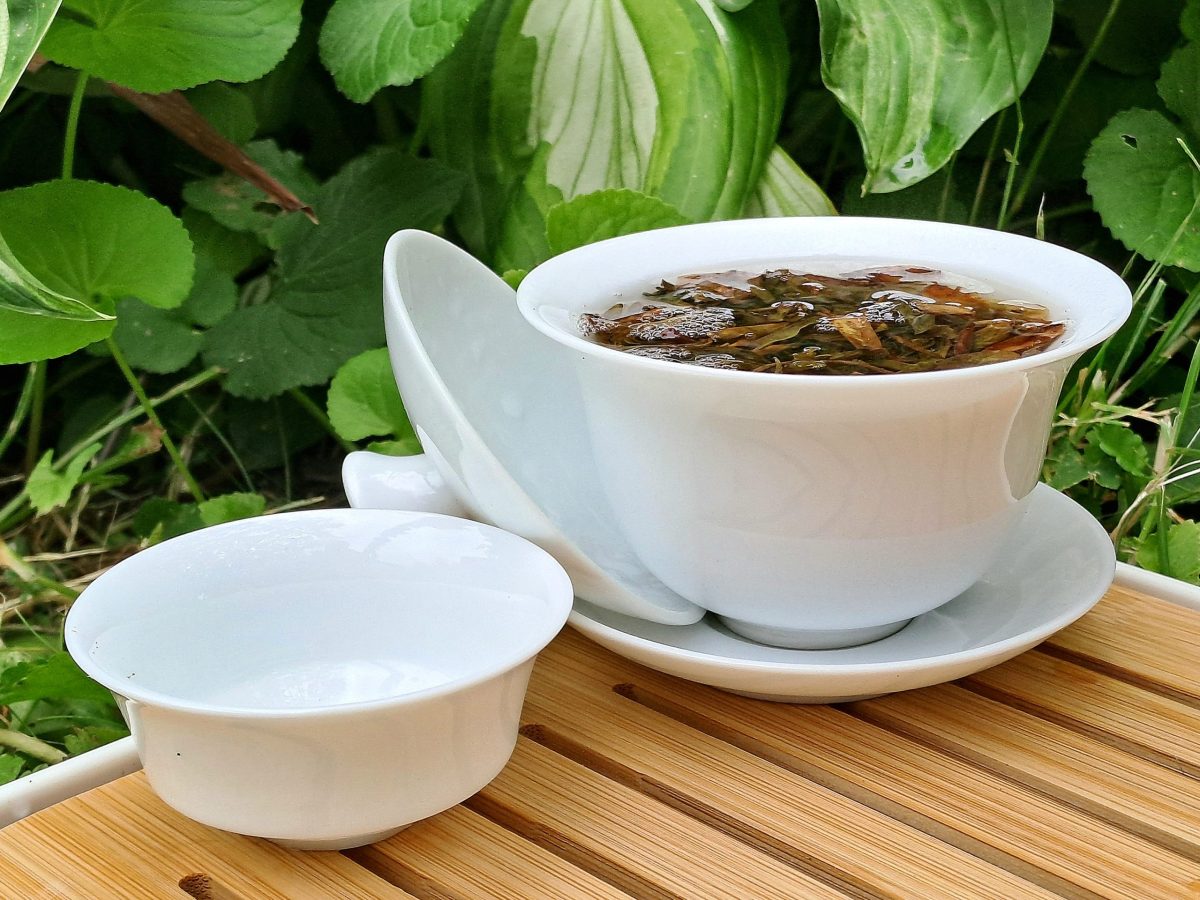
Green and white teas come from the same plant but are processed differently. Green tea has a fresh, grassy taste. It is light and slightly bitter. White tea is the least processed. It tastes mild and sweet. Both teas contain antioxidants that support good health. Brew them with water that is not too hot to keep their delicate flavors.
Black And Oolong Teas
Black tea is fully fermented, giving it a strong, bold flavor. It is darker and richer than green tea. Oolong tea falls between green and black tea. It has a smooth taste with floral or fruity notes. Both teas provide a good caffeine boost. Use boiling water and steep for a few minutes to get the best flavor.
Herbal And Specialty Blends
Herbal teas are made from flowers, herbs, and spices. They do not contain tea leaves and have no caffeine. Popular types include chamomile, peppermint, and hibiscus. Specialty blends mix different herbs and spices for unique tastes. These teas are soothing and good for relaxation. Steep them longer in hot water for a rich flavor.
Water Quality And Temperature
Water quality and temperature matter a lot for making good tea. The right water brings out the tea’s best flavors. Temperature controls how the tea releases its taste and aroma. Using poor water or wrong heat can spoil the tea.
Ideal Water Types
Use fresh, clean water for brewing tea. Tap water with strong chlorine or minerals can change the flavor. Filtered or spring water works best. Avoid distilled water because it can taste flat. Soft water helps tea taste smooth and natural.
Temperature Settings For Each Tea
Different teas need different water heat. Green tea tastes best at 160-180°F (70-80°C). Black tea needs hotter water, about 200-212°F (93-100°C). White tea brews well at 160-185°F (70-85°C). Oolong tea falls in between, around 190-200°F (88-93°C). Use a thermometer or electric kettle with temperature control.
Avoiding Common Water Mistakes
Do not use boiling water for all teas. It can burn delicate leaves. Avoid reboiling water multiple times; it loses oxygen and tastes flat. Don’t use hard water that leaves residue on your teapot. Always pour fresh water for each brew. These small steps improve tea flavor greatly.
Measuring Tea Leaves
Measuring tea leaves is an important step in making a perfect cup of tea. Using the right amount ensures good flavor without bitterness or weakness. It also helps avoid wasting tea leaves. This section explains how to measure tea leaves for beginners.
Proper Leaf Quantity
Start with about one teaspoon of loose tea leaves per cup. This amount works well for most teas. Stronger teas may need less, while lighter teas might need a bit more. Too many leaves can make the tea bitter. Too few leaves will make it weak and dull.
Tools For Accuracy
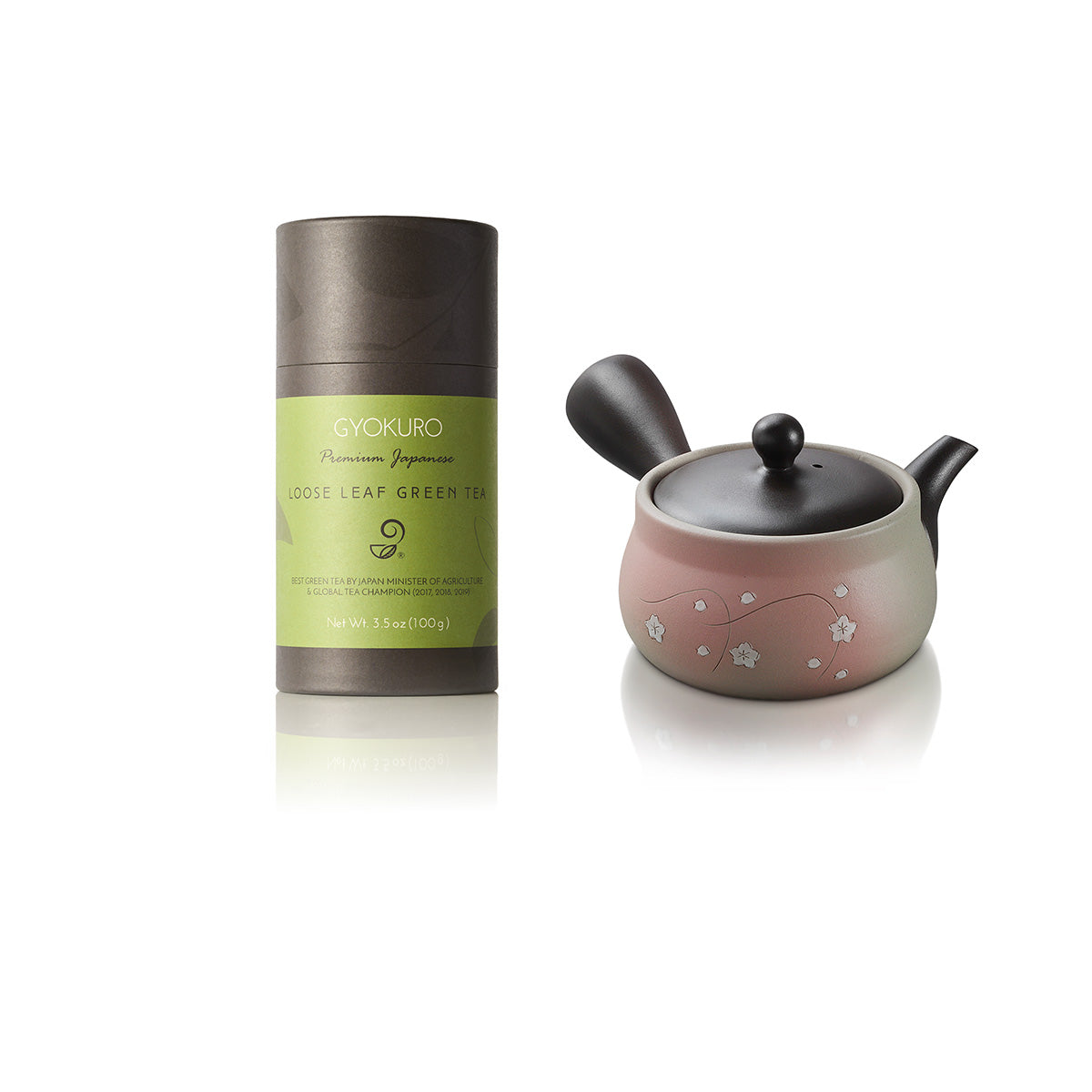
Using tools helps keep the measurement consistent. A small kitchen scale can measure grams precisely. Measuring spoons also work well for beginners. Some tea sets come with scoopers made for the right amount. Choose a tool that feels easy and comfortable to use.
Adjusting For Taste
Taste preferences vary from person to person. Start with the basic amount, then try more or less next time. If the tea is too strong, reduce the leaves a little. If it is too weak, add more leaves next brew. Keep notes to find your perfect balance.
Steeping Time Tips
Steeping tea is more than pouring hot water over leaves. The time you let tea sit in water changes its taste and strength. Using the right steeping time helps you enjoy your tea fully. It brings out the best flavors and avoids bitterness.
Timing For Different Teas
Each tea type has its perfect steeping time. Green tea usually needs 1 to 3 minutes. Black tea takes about 3 to 5 minutes. Herbal teas can steep longer, around 5 to 7 minutes. Shorter times give a lighter taste. Longer times create a stronger flavor but risk bitterness.
Signs Of Over-steeping
Tea left too long tastes bitter and sour. The color becomes very dark. The smell turns sharp or burnt. The tea feels rough in your mouth. These signs mean the tea has steeped too much. To avoid this, watch the time carefully.
Enhancing Flavors
Try adjusting the steeping time to find your favorite taste. Use cooler water for delicate teas. Warm water suits stronger teas better. Stir the tea gently to mix flavors well. Cover your tea while steeping to keep heat. These small steps make your tea taste better.
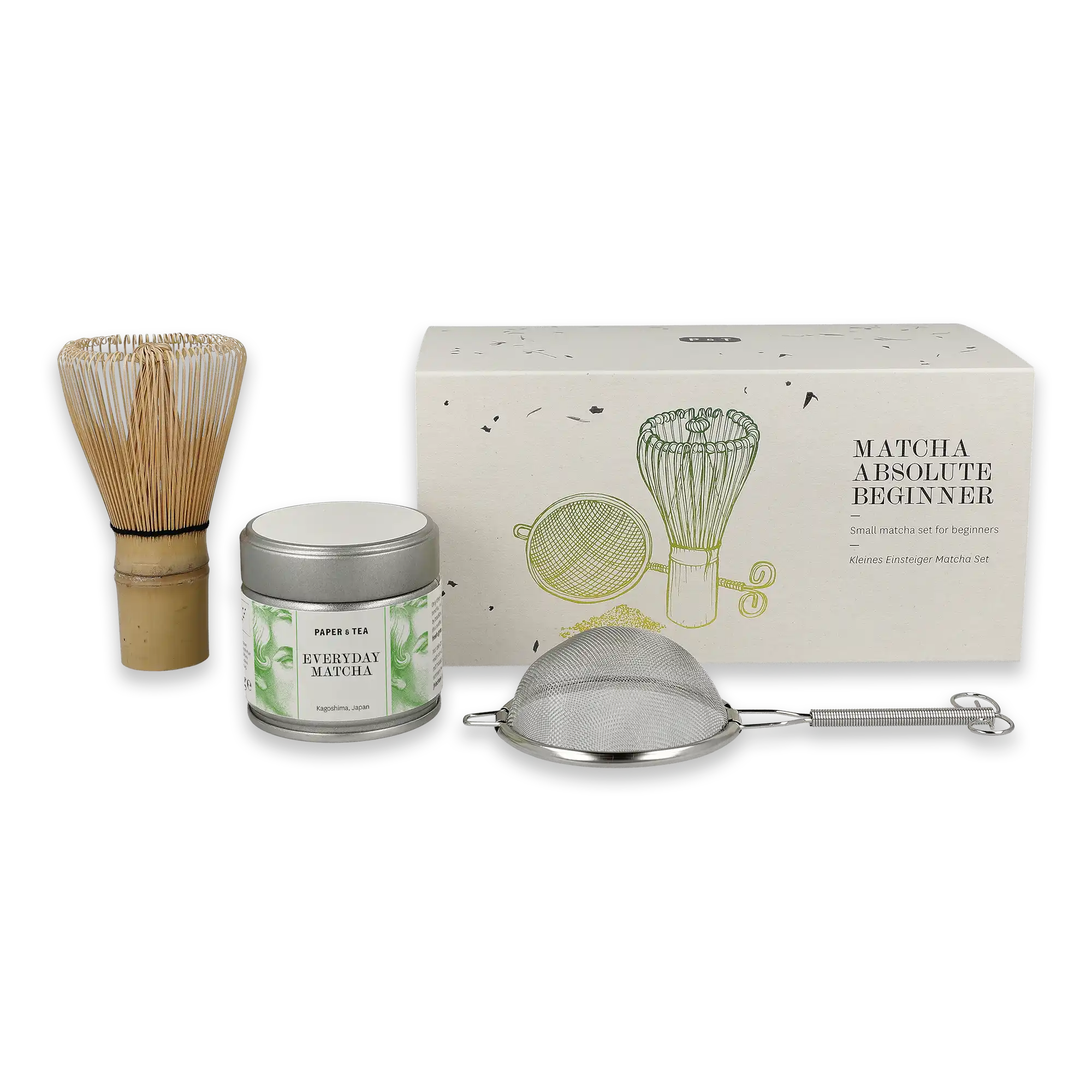
Cleaning And Caring For Your Tea Set
Keeping your beginner tea set clean and cared for helps it last longer. Proper care keeps tea tasting fresh. It also keeps your tea set looking nice and new. Regular cleaning prevents stains and buildup. This guide covers daily care, deep cleaning, and storage tips.
Daily Maintenance
After each use, rinse your tea set with warm water. Avoid using soap on delicate materials like clay. Use a soft cloth or sponge to wipe gently. Let the pieces air dry completely before storing. This stops mold and bad smells from forming.
Deep Cleaning Methods
For stubborn stains, use a mixture of baking soda and water. Apply the paste gently with a soft cloth. Rinse thoroughly with warm water afterward. Avoid harsh chemicals as they can damage your tea set. For metal parts, use a mild vinegar solution to remove tarnish.
Storage Recommendations
Store your tea set in a dry place away from direct sunlight. Avoid stacking pieces tightly to prevent chips. Use a soft cloth or padding between items if stacking is necessary. Keep the set in a closed cabinet to avoid dust. Proper storage keeps your tea set safe and ready to use.
Frequently Asked Questions
What Is Included In A Beginner Tea Set?
A beginner tea set typically includes a teapot, tea cups, and a strainer. Some sets also have a tea tray and a tea scoop. These basics help you brew and serve tea easily. The set is designed for simplicity and convenience.
How To Choose The Best Beginner Tea Set?
Look for durability, material, and ease of use when choosing a beginner tea set. Porcelain and glass are popular for their heat retention. Ensure the set has the right size for your tea preference. Aesthetic appeal and price also matter.
Why Is A Beginner Tea Set Important?
A beginner tea set helps you learn proper tea brewing techniques. It provides essential tools for a perfect cup every time. Using a set enhances your tea experience and appreciation. It also simplifies the tea-making process.
Can I Use Any Tea With A Beginner Tea Set?
Yes, you can use any type of tea with a beginner tea set. The set is versatile and works well with loose leaf or tea bags. Just adjust steeping time according to the tea variety for best flavor.
Conclusion
Choosing a beginner tea set can make tea time special and simple. A good set helps you enjoy tea without fuss. Focus on comfort, size, and style that suits you. Start with basic pieces and add more later if needed.
Tea brewing becomes easier and more fun with the right tools. Take your time to pick what feels right. Enjoy each cup and the calm moments it brings. Tea is about relaxation and pleasure, not rush. A beginner tea set is your first step to that peaceful break.