
Struggling with bloating or an upset stomach? You’re not alone.
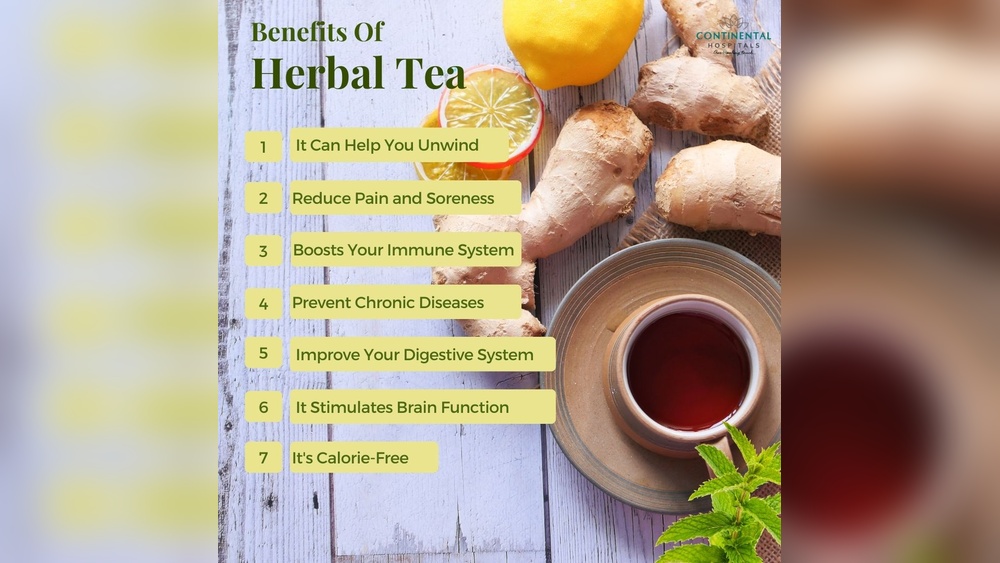
Finding the best tea for digestion can make a huge difference in how you feel after meals. Imagine sipping a warm, soothing cup that not only tastes great but also helps your body break down food more easily. You’ll discover which teas work wonders for your digestive system and why they might become your new best friend.
Keep reading to unlock the secret to better digestion and a happier gut.
Benefits Of Digestive Teas
Digestive teas have been used for centuries to ease stomach discomfort. They contain natural ingredients that help the stomach work better. Drinking these teas can calm your belly and reduce bloating.
Many people enjoy digestive teas after meals. These teas can help food move smoothly through the digestive tract. They also support the balance of good bacteria in the gut.
How Tea Supports Digestion
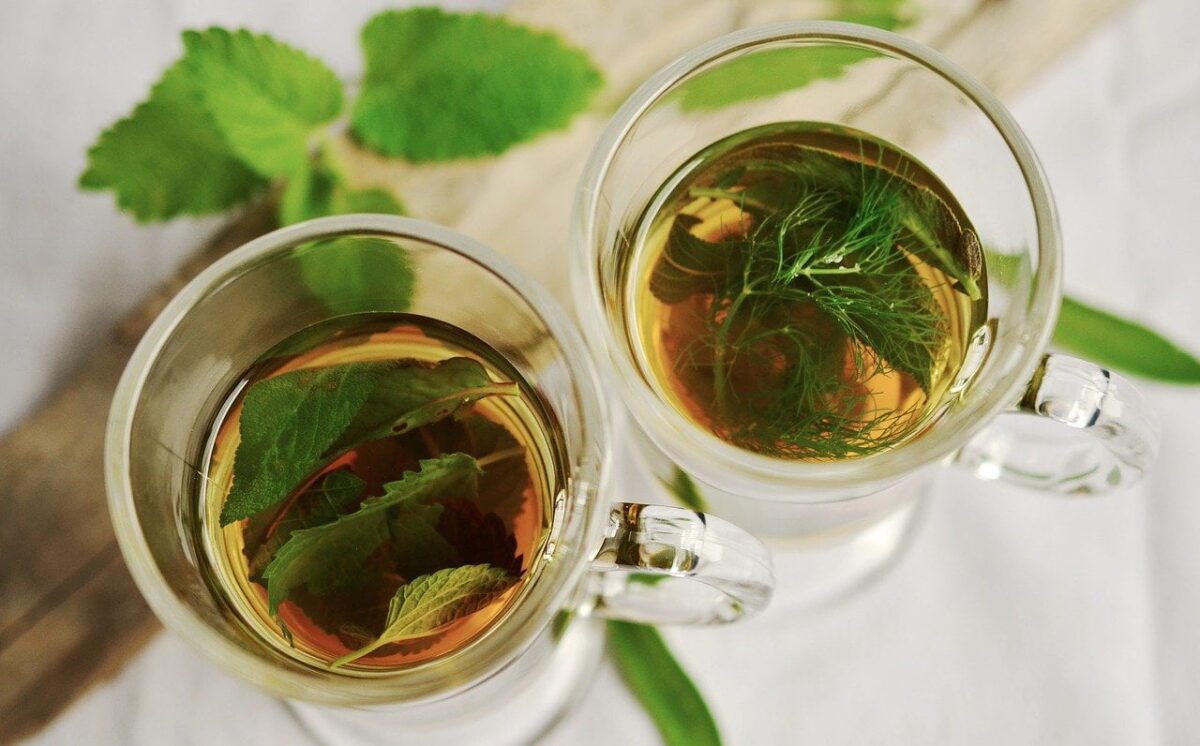
Digestive teas contain herbs like ginger, peppermint, and fennel. These herbs relax the muscles in the stomach and intestines. This relaxation helps reduce cramps and spasms.
Some teas increase saliva and bile production. This helps break down food faster. The antioxidants in tea also reduce inflammation in the gut.
Common Digestive Issues Addressed
Digestive teas can ease indigestion, gas, and bloating. They help soothe nausea and reduce stomach pain. Many teas also relieve heartburn and acid reflux.
For people with constipation, certain teas stimulate bowel movements. They gently cleanse the digestive system. Drinking these teas regularly supports overall gut health.

Top Herbal Teas For Digestion
Herbal teas have long helped soothe digestion and calm the stomach. They contain natural compounds that reduce bloating and improve digestion speed. Drinking these teas after meals can ease discomfort and support gut health.
Below are some of the best herbal teas known for their digestive benefits. Each offers unique flavors and healing properties.
Peppermint Tea
Peppermint tea relaxes the muscles in the digestive tract. This helps relieve gas, bloating, and cramps. Its cooling effect also reduces nausea and improves bile flow, aiding fat digestion.
Ginger Tea
Ginger tea stimulates digestion and reduces inflammation. It eases nausea and helps move food through the stomach faster. This tea is especially good for upset stomachs and indigestion.
Chamomile Tea
Chamomile tea calms the stomach and reduces inflammation. It can relieve indigestion, gas, and stomach cramps. Drinking chamomile tea before bed supports restful sleep and digestive health.
Fennel Tea
Fennel tea helps relax digestive muscles and reduces bloating. It can relieve gas and heartburn quickly. Fennel seeds also improve appetite and support overall digestion.
Blends That Soothe The Stomach
Blends that soothe the stomach offer gentle relief after meals. These teas calm digestion and reduce discomfort. Each mix contains herbs known for their stomach-friendly properties. Drinking these blends helps ease bloating and indigestion.
Enjoying these teas can support your digestive health naturally. They are easy to prepare and taste great too. Try these popular blends to find your favorite soothing tea.
Lemon And Ginger Mix
Lemon and ginger create a refreshing and spicy tea. Ginger helps reduce nausea and improves digestion speed. Lemon adds vitamin C and a zesty flavor. This blend warms the stomach and can relieve cramps. Sip it warm after meals for best results.
Peppermint And Chamomile Combo
Peppermint and chamomile calm the digestive system. Peppermint relaxes stomach muscles and reduces gas. Chamomile soothes inflammation and eases stomach pain. Together, they make a smooth and calming tea. Perfect for winding down after a heavy meal.
Fennel And Licorice Blend
Fennel and licorice have long helped with digestion. Fennel seeds reduce bloating and improve digestion. Licorice adds sweetness and soothes the stomach lining. This blend supports gut health and reduces discomfort. Enjoy it warm to calm your stomach quickly.
How To Brew Digestive Teas
Brewing the perfect cup of digestive tea enhances its health benefits. Proper brewing releases the right flavors and healing compounds. It helps soothe the stomach and improve digestion effectively. Follow simple steps to get the best taste and results from your tea leaves or herbs.
Best Brewing Techniques
Use fresh water for every cup. Boil the water fully before pouring. Pour water directly over the tea leaves. Cover the cup or pot to keep heat inside. Avoid stirring too much to keep flavors pure. Use a fine strainer to catch small particles.
Optimal Steeping Times
Steep digestive teas for 5 to 10 minutes. Herbal teas like peppermint or ginger need longer steeping. Green or white teas require shorter times, around 2 to 3 minutes. Over-steeping can cause bitterness. Adjust steeping based on taste and tea type.
Temperature Tips
Boiling water suits most herbal teas. For green tea, use water at about 175°F (80°C). Too hot water can burn delicate leaves. Let boiling water cool slightly before pouring for green or white teas. Keep water hot enough to extract flavors well.
When To Drink For Best Results
Drinking tea for digestion works best at specific times. Choosing the right moment can boost its benefits. Timing affects how your body absorbs and reacts to the tea. Here are the best times to enjoy your digestive tea for optimal results.
Before Meals
Drinking tea before meals helps prepare your stomach. It can boost saliva and digestive juices. This makes it easier to break down food. A small cup 15 to 30 minutes before eating works well. Avoid strong teas that might upset your stomach.
After Meals
Tea after meals aids digestion and reduces bloating. It helps relax the stomach muscles. A warm cup 20 to 30 minutes after eating is ideal. Choose herbal teas like peppermint or ginger. They soothe the digestive tract and ease discomfort.
Before Bedtime
Having tea before bedtime supports overnight digestion. It calms the stomach and reduces acid reflux. Drink a mild, caffeine-free tea 30 minutes before sleep. Chamomile or fennel tea works perfectly. This helps you rest and digest well.
Potential Side Effects And Precautions
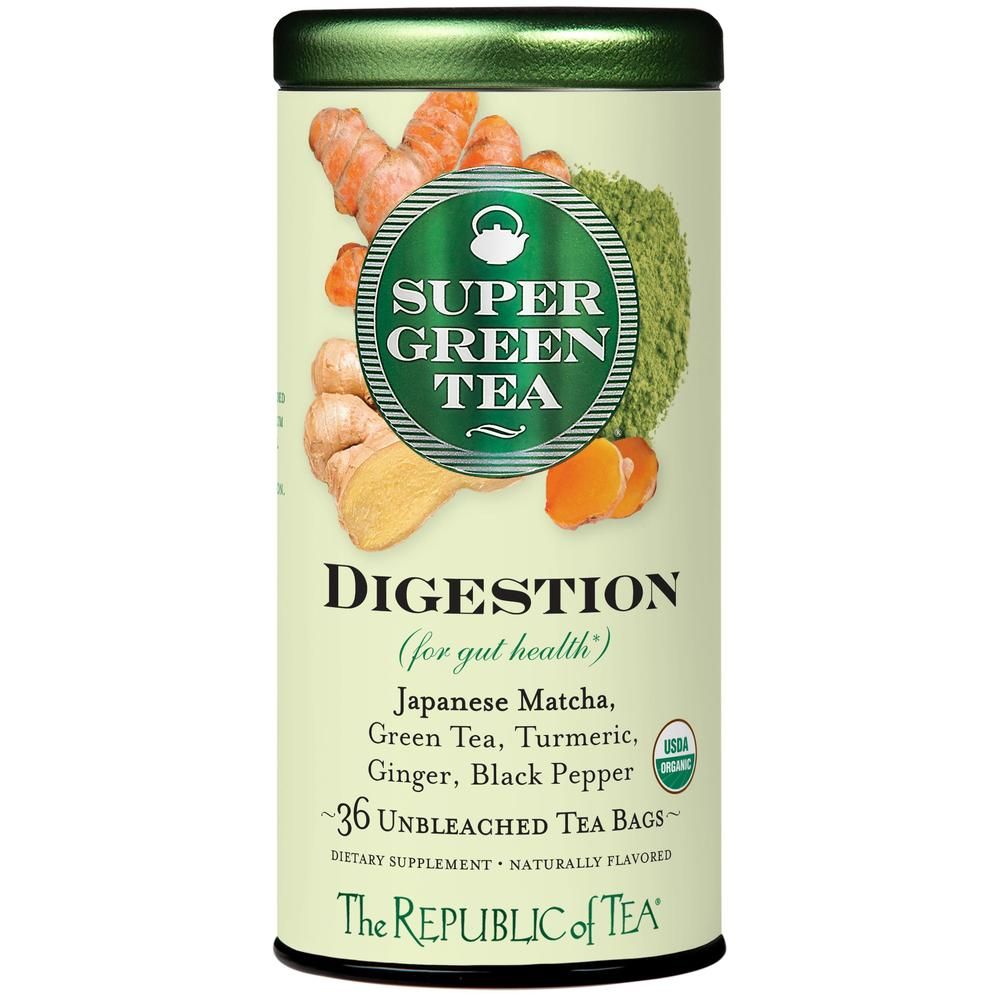
Tea for digestion offers many benefits but may also cause side effects. Knowing potential risks helps you enjoy tea safely. Pay attention to your body’s reactions and consult a doctor if unsure.
Allergic Reactions
Some people may have allergies to herbs in digestive teas. Symptoms include itching, rash, or swelling. Stop drinking the tea if you notice any signs. Seek medical help for severe reactions.
Interactions With Medications
Digestive teas may affect how medicines work. Certain herbs can change the effectiveness of drugs. Inform your doctor about any tea you drink regularly. Avoid mixing teas with blood thinners or heart medicines without advice.
Overconsumption Risks
Drinking too much digestive tea can cause problems. Excess caffeine may lead to restlessness or headaches. Some herbs can upset your stomach in large amounts. Stick to the recommended serving size to avoid issues.
Frequently Asked Questions
What Is The Best Tea For Improving Digestion?
Peppermint tea is excellent for digestion. It relaxes digestive muscles and reduces bloating. Ginger tea also aids by speeding up stomach emptying and relieving nausea.
How Does Ginger Tea Help Digestion?
Ginger tea stimulates digestive enzymes, easing digestion. It reduces inflammation and soothes the stomach lining. Drinking it after meals can prevent indigestion and discomfort.
Can Herbal Teas Reduce Bloating And Gas?
Yes, herbal teas like fennel and chamomile reduce bloating and gas. They relax digestive muscles and decrease inflammation, promoting smoother digestion and comfort.
When Should I Drink Digestive Tea For Best Results?
Drink digestive tea 20-30 minutes after meals for optimal effect. This timing helps soothe the stomach and improves nutrient absorption efficiently.
Conclusion
Choosing the best tea for digestion can ease stomach discomfort. Herbal teas like ginger, peppermint, and chamomile help calm your digestive system. Drinking tea after meals supports healthy digestion naturally. Small changes, like adding tea to your routine, make a big difference.
Enjoy a warm cup to feel relaxed and aid digestion. Remember, simple habits often bring the best results. Try different teas to find what suits you best. Your stomach will thank you.