
Are you tired of staring at your teeth, wishing those stubborn tea and coffee stains would just disappear? You’re not alone.
These common drinks can leave your smile looking dull and discolored, making you feel less confident. But what if you could easily bring back your bright, white smile without expensive treatments? You’ll discover the best way to remove tea and coffee stains from your teeth—simple, effective methods you can try at home.
Keep reading, because your brighter smile is closer than you think.
Causes Of Tea And Coffee Stains
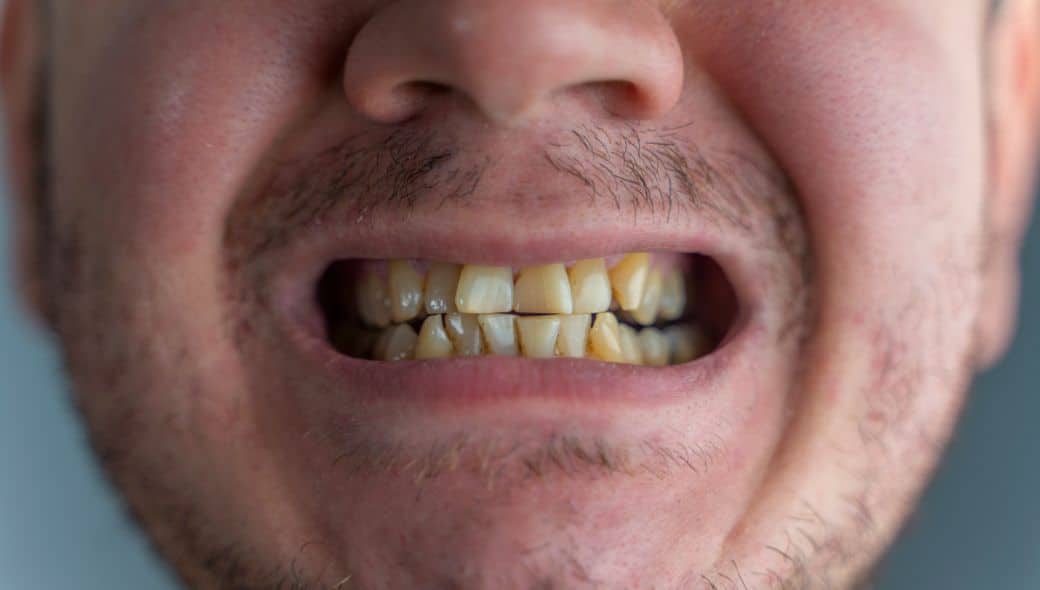
Tea and coffee stains on teeth occur due to specific reasons. Understanding these causes helps in preventing and removing the stains. Both drinks have strong colors and compounds that affect tooth enamel.
These beverages contain tannins, which are natural substances. Tannins make it easier for stains to stick to teeth. Over time, repeated exposure darkens the teeth and creates noticeable stains.
What Are Tannins?
Tannins are plant-based compounds found in tea and coffee. They cause color to stick on surfaces, including teeth. Tannins create a rough surface on enamel, trapping pigments.
Role Of Acids In Staining
Tea and coffee have acids that wear down tooth enamel. This wearing down makes teeth more vulnerable to stains. Acid weakens the protective layer, allowing color to seep in.
Impact Of Porous Enamel
Enamel has tiny pores that absorb liquids and colors. Dark drinks like tea and coffee fill these pores. Over time, this leads to deep, hard-to-remove stains.
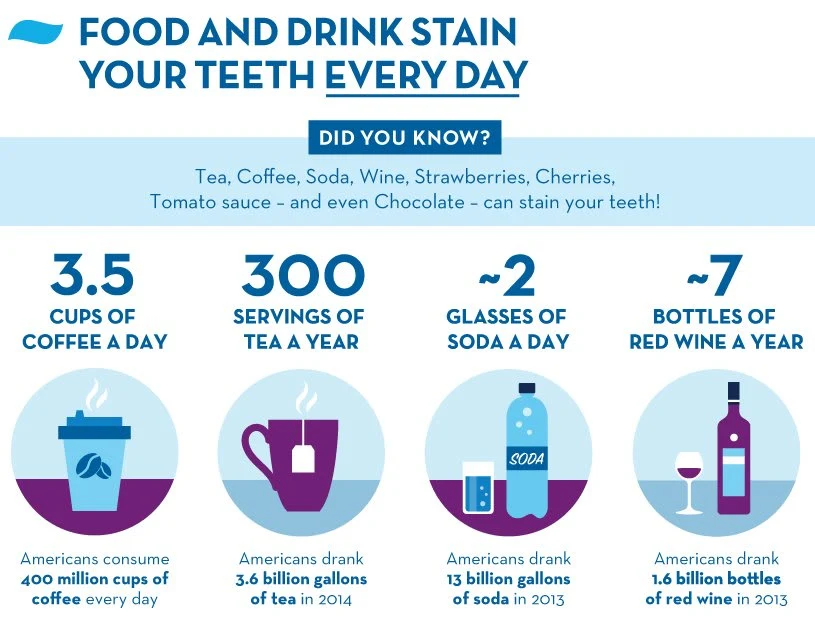
Frequency And Duration Of Drinking
Drinking tea or coffee often increases stain chances. Holding the drink in your mouth longer also worsens stains. The longer teeth stay in contact, the stronger the stain.
Credit: www.bridgepointedentistry.com
Daily Habits To Prevent Staining
Daily habits play a big role in keeping teeth white. Small changes in your routine can stop tea and coffee stains. These habits help protect teeth from discoloration. They also keep your smile bright and healthy.
Consistency is key. Practice these habits every day for best results. Prevention is easier than treating stains later. Start with simple steps that fit your lifestyle.
Rinse Your Mouth After Drinking Tea Or Coffee
Rinse with water right after drinking tea or coffee. This washes away leftover liquids that cause stains. It lowers the chance of stains sticking to teeth. No need for brushing immediately, just a quick rinse helps.
Use A Straw For Drinking
Drinking tea or coffee through a straw limits contact with teeth. This keeps the liquids away from the front teeth. It reduces the chance of visible stains. Straws are an easy way to protect your smile.
Brush Teeth Twice Daily
Brush your teeth two times a day using fluoride toothpaste. This removes plaque and surface stains. Brushing after meals is best, but wait 30 minutes after drinking acidic drinks. Gentle brushing protects enamel and keeps teeth clean.
Drink Plenty Of Water Throughout The Day
Water helps rinse your mouth and reduces stain buildup. Drinking water often keeps your mouth fresh and clean. It also helps produce saliva, which naturally cleans teeth. Water is a simple tool to fight stains.
Limit Tea And Coffee Intake
Cut back on how much tea and coffee you drink daily. Less exposure means fewer stains over time. Try replacing some cups with water or milk. Moderation helps maintain a brighter smile easily.
Home Remedies For Stain Removal
Tea and coffee stains on teeth are common problems. Many people want to remove these stains at home. Home remedies offer easy and low-cost solutions. They help brighten your smile without harsh chemicals. Safe ingredients from your kitchen can make a big difference. Try these simple and effective methods to reduce stains.
Baking Soda And Hydrogen Peroxide
Baking soda gently scrubs away surface stains on teeth. Mixing it with hydrogen peroxide creates a whitening paste. This paste helps remove tough tea and coffee stains. Use it twice a week for best results. Avoid daily use to protect your tooth enamel. Always rinse your mouth well after use.
Oil Pulling Technique
Oil pulling uses natural oils to clean your mouth. Swish a tablespoon of coconut or sesame oil for 10-15 minutes. This process reduces bacteria that cause stains and bad breath. It also helps remove plaque buildup. Do this in the morning before eating or drinking. Spit the oil out and rinse with water.
Activated Charcoal Use
Activated charcoal absorbs stains and toxins from teeth. Wet your toothbrush and dip it into charcoal powder. Brush gently for 2 minutes, then rinse thoroughly. Use this method once or twice a week only. Avoid excessive use as it may wear down enamel. Charcoal can brighten teeth naturally and safely.
Over-the-counter Whitening Products
Over-the-counter whitening products offer an easy way to reduce tea and coffee stains at home. These products are affordable and can improve the whiteness of your teeth. They use mild bleaching agents to break down stains on the tooth surface. Many people prefer these options because they do not require a dentist visit. Consistent use can show noticeable results in a few weeks.
Whitening Toothpaste Options
Whitening toothpaste is a simple choice for daily use. It contains gentle abrasives that scrub away surface stains. Some formulas also include low levels of bleaching agents. Using whitening toothpaste twice a day can keep teeth brighter over time. It also helps prevent new stains from setting in. These toothpastes are safe for regular use and easy to find at any store.
Whitening Strips And Gels
Whitening strips and gels offer a stronger stain removal effect. Strips stick to your teeth and deliver peroxide-based bleach. Gels are applied with a small brush directly on stained areas. Both products usually require daily use for one to two weeks. They can lighten deeper stains left by tea and coffee. Follow instructions carefully to avoid tooth sensitivity or gum irritation.
Professional Dental Treatments
Professional dental treatments offer strong solutions to remove tea and coffee stains. These treatments use safe, effective methods to brighten your smile. Dentists can target deep stains that home remedies often miss. This ensures a cleaner, whiter appearance in less time.
In-office Whitening Procedures
In-office whitening uses powerful bleaching agents applied by a dentist. These treatments take about one hour to complete. The dentist protects your gums before applying the gel. A special light may activate the whitening process. Results appear immediately after the session. This method removes stubborn stains and brightens teeth several shades. It is safe and controlled by professionals. Many patients see the best results with this option.
Custom Whitening Trays
Custom whitening trays fit your teeth perfectly. Dentists create these trays using molds of your mouth. You apply whitening gel to the trays at home. This method allows gradual, even whitening over days or weeks. The trays keep the gel close to your teeth for better effect. Custom trays reduce gum irritation compared to generic products. This option offers convenience and professional quality whitening. It suits people who prefer slower, steady stain removal.

Credit: www.smilearizonadentistry.com
Long-term Care For White Teeth
Keeping teeth white after removing tea and coffee stains needs ongoing care. Stains can return without proper habits. Good daily care helps maintain a bright smile for years. Simple steps protect teeth from new stains and damage.
Regular Dental Checkups
Visit your dentist at least twice a year. Professionals clean areas that brushing misses. They can spot early signs of stains or decay. Cleanings keep teeth smooth, making stains less likely. Dentists also offer advice tailored to your needs.
Dietary Adjustments
Limit drinks like tea, coffee, and soda. These liquids cause stains and weaken enamel. Drink water after consuming staining drinks to rinse your mouth. Eat crunchy fruits and vegetables to clean teeth naturally. Avoid sugary snacks that harm teeth and cause discoloration.
Credit: crest.com
Frequently Asked Questions
How Can I Quickly Remove Tea Stains From Teeth?
Use baking soda mixed with water to brush gently. This natural remedy helps lift stains and whiten teeth. Rinse well and repeat twice weekly for best results.
What Is The Best Home Remedy For Coffee Stains?
Oil pulling with coconut oil can reduce coffee stains. Swish a tablespoon in your mouth for 10-15 minutes daily. It helps remove plaque and brightens teeth naturally over time.
Can Whitening Toothpaste Remove Tea And Coffee Stains?
Yes, whitening toothpaste contains mild abrasives that polish away stains. Use it regularly for noticeable improvements. However, persistent stains may require professional cleaning.
How Often Should I Clean Teeth To Prevent Stains?
Brush teeth at least twice daily and floss once. Regular cleaning prevents plaque buildup that causes stains. Also, rinse your mouth after consuming tea or coffee.
Conclusion
Removing tea and coffee stains from teeth is simple with the right steps. Regular brushing helps stop stains from building up. Using baking soda or whitening toothpaste can brighten your smile. Drinking water after tea or coffee reduces stains too.
Visit your dentist for a deep clean now and then. Healthy habits keep your teeth looking fresh and white. A clean smile boosts your confidence every day. Small efforts make a big difference over time. Keep your teeth bright and enjoy your favorite drinks without worry.