
Feeling stressed or overwhelmed? You’re not alone.
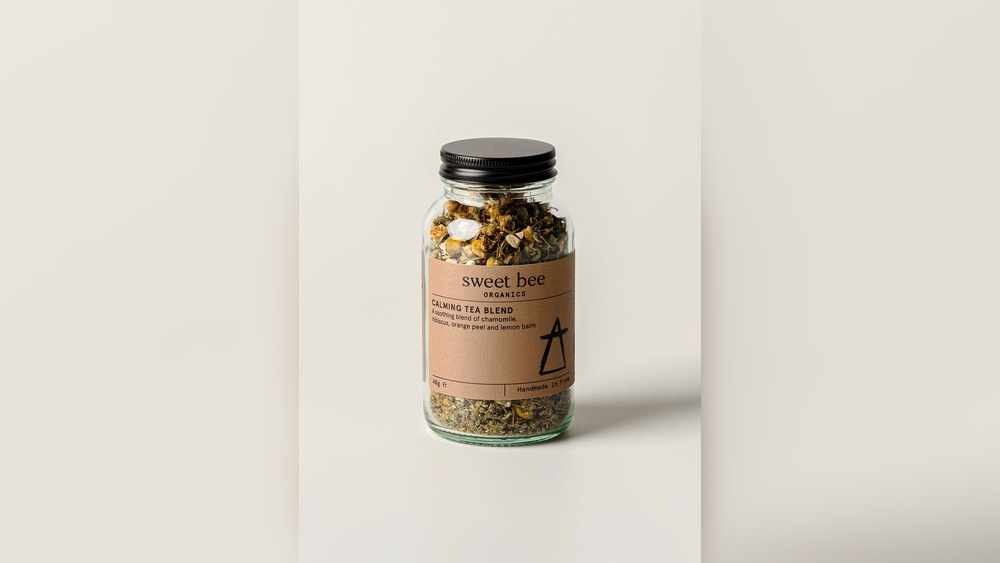
Life can get hectic, and finding a moment of calm can feel impossible. That’s where a calming tea blend comes in. Imagine sipping a warm cup that soothes your mind, eases tension, and helps you breathe a little easier. You’ll discover how the right combination of herbs can transform your daily routine into a peaceful retreat.
Keep reading to find out which ingredients make the perfect calming tea blend and how it can help you reclaim your calm.
Benefits Of Calming Teas
Calming teas offer a natural way to support your body and mind. These blends combine herbs known for their soothing effects. Drinking calming tea can help you feel relaxed and refreshed. It supports health in simple, gentle ways.
Many people enjoy calming teas for stress relief, better sleep, and digestive comfort. Each cup brings benefits that improve daily well-being. Here are some key advantages of drinking calming teas.
Stress Relief Properties
Calming teas contain herbs like chamomile and lavender. These herbs help reduce tension and calm the mind. A warm cup can ease nervous feelings quickly. They promote relaxation without causing drowsiness. Perfect for winding down after a busy day.
Improved Sleep Quality
Many calming teas support better sleep naturally. Ingredients such as valerian root and passionflower help you fall asleep faster. They also improve the quality of your rest. Drinking calming tea before bed can create a peaceful routine. This helps your body prepare for deep sleep.
Digestive Aid
Calming teas often include herbs like peppermint and ginger. These herbs soothe the stomach and reduce bloating. They help with digestion and ease discomfort. A gentle cup after meals supports healthy digestion. It helps your body absorb nutrients better.
Key Ingredients In Relaxation Blends
Relaxation blends use natural herbs known for calming effects. These blends help reduce stress and promote peaceful sleep. Each ingredient adds unique benefits to soothe the mind and body.
Chamomile
Chamomile is famous for its gentle calming power. It helps ease anxiety and supports better sleep. This flower contains antioxidants that relax muscles and calm the nerves.
Lavender
Lavender has a soft, floral scent that promotes relaxation. It reduces restlessness and helps clear the mind. Lavender can also ease headaches and improve sleep quality.
Lemon Balm
Lemon balm has a fresh, lemony flavor and calming effects. It reduces stress and lifts mood gently. This herb is great for calming nerves and improving focus.
Valerian Root
Valerian root is a strong natural sedative. It helps shorten the time to fall asleep. This root relaxes the nervous system and eases tension in the body.
How To Brew The Perfect Cup
Brew a perfect cup of calming tea blend to enjoy its full flavor and benefits. Simple steps can make your tea taste smooth and relaxing. Follow easy tips to get the best cup every time.
Water Temperature Tips
Heat water to about 175°F to 185°F for calming tea. Too hot water can burn the leaves and taste bitter. Use a thermometer or let boiling water cool for a few minutes before pouring.
Steeping Time
Steep the tea for 3 to 5 minutes to get the right strength. Steep too little, and the tea will be weak. Steep too long, and it may taste bitter. Adjust time to your taste.
Choosing The Right Tea Leaves
Choose loose leaf tea for better flavor and aroma. Look for fresh, whole leaves without dust or stems. Quality leaves make a big difference in your calming tea experience.

Diy Calming Tea Recipes
Making your own calming tea is easy and fun. It lets you choose the flavors and herbs you like. These DIY tea recipes help you relax after a busy day. You only need simple ingredients. Brew fresh tea that soothes your mind and body.
Simple Herbal Mix
Start with chamomile and peppermint. Both herbs calm your nerves and aid sleep. Use one teaspoon of each for one cup. Pour hot water over the herbs. Let it steep for five minutes. Strain and enjoy your gentle, calming tea.
Floral Infusion Blend
Mix lavender, rose petals, and hibiscus. This blend has a floral aroma that relaxes your senses. Use half a teaspoon of each herb. Steep them in hot water for seven minutes. Sip slowly and feel the tension melt away.
Spiced Relaxation Tea
Combine cinnamon sticks, ginger slices, and cardamom pods. These spices warm your body and calm your mind. Add one cinnamon stick, two thin ginger slices, and three cardamom pods to a pot. Boil for ten minutes. Strain and drink warm for deep relaxation.
When To Drink Calming Tea
Knowing the best times to drink calming tea can help you get the most benefit. This herbal blend works well during quiet moments and helps ease tension. Drinking it at the right time supports relaxation and peace.
Evening Rituals
Enjoy calming tea as part of your evening routine. It helps signal your body to slow down. A warm cup can create a peaceful mood after a busy day. This simple habit can improve your evening comfort.
Stressful Moments
Calming tea soothes the mind during stressful times. Take a break with a cup to reduce worry. The natural herbs help ease nervousness and tension. Drinking tea can bring a sense of calm quickly.
Before Bedtime
Drinking calming tea before sleep helps quiet your mind. It can support falling asleep faster and improve rest. Avoid caffeine and choose gentle herbs for better sleep. A warm cup can prepare you for a good night.
Potential Side Effects And Precautions
Calming tea blends offer a natural way to relax and ease stress. Yet, they may cause side effects in some people. Knowing the risks helps you enjoy tea safely and comfortably.
Allergy Considerations
Some herbs in calming teas can cause allergic reactions. Common signs include itching, rash, or swelling. People with plant allergies should check ingredients carefully. Stop using the tea if any allergy symptoms appear.
Interactions With Medications
Calming teas may affect how some medicines work. Herbs like valerian or chamomile can increase drowsiness when taken with sedatives. Blood thinners may also interact with certain tea ingredients. Consult a doctor before combining tea with medications.
Recommended Dosage
Stick to the suggested amount on the tea package. Drinking too much can cause dizziness or upset stomach. Usually, one to two cups daily is enough. Avoid overuse to prevent unwanted effects.
Frequently Asked Questions
What Ingredients Make A Calming Tea Blend Effective?
A calming tea blend often includes chamomile, lavender, and lemon balm. These herbs soothe the nervous system and reduce stress. They promote relaxation and improve sleep quality naturally.
How Does Calming Tea Blend Reduce Anxiety?
Calming tea blends contain natural compounds that lower cortisol levels. These herbs help relax muscles and calm the mind. Drinking it regularly can ease anxiety symptoms and boost mental clarity.
When Is The Best Time To Drink Calming Tea?
The best time to drink calming tea is 30 minutes before bedtime. This helps prepare your body for restful sleep. It can also be consumed during stressful moments for quick relaxation.
Can Calming Tea Blends Improve Sleep Quality?
Yes, calming tea blends improve sleep by promoting relaxation. Ingredients like valerian root and chamomile reduce insomnia. They help you fall asleep faster and enjoy deeper, uninterrupted rest.
Conclusion
Calming tea blends offer a gentle way to relax your mind and body. A warm cup can ease stress and help you unwind. Herbs like chamomile and lavender bring soothing effects naturally. Enjoy this simple ritual anytime you need peace.
Try different blends to find your favorite calm moment. Drinking calming tea supports better sleep and less tension. Small changes like this can improve your daily mood. Embrace the calm and take time just for you.