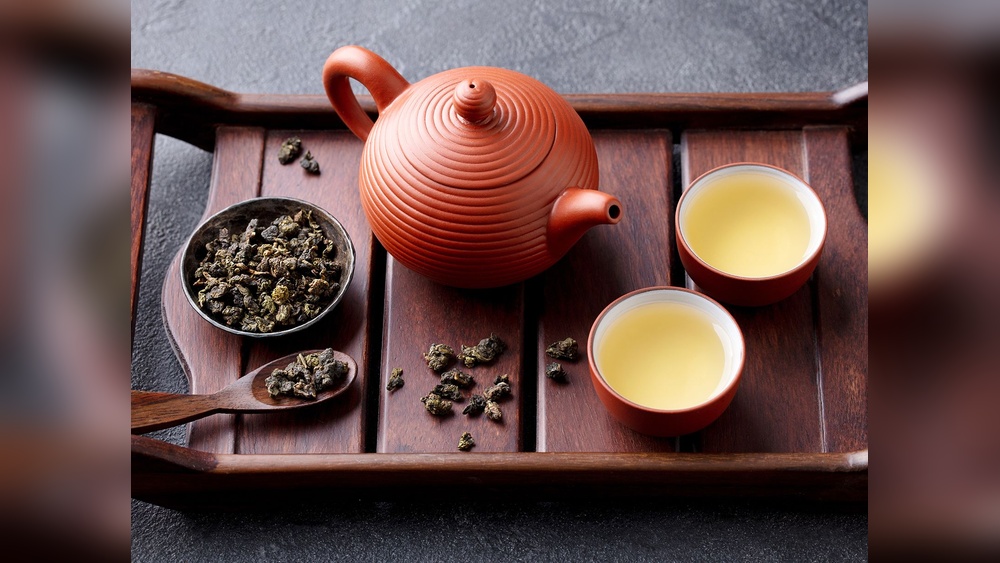

If you’ve ever wanted to discover a tea that’s rich in flavor and packed with health benefits, Chinese Oolong Tea might be exactly what you need. Imagine sipping a warm cup that not only delights your taste buds but also boosts your energy and supports your well-being.
Whether you’re new to tea or a seasoned drinker, understanding the unique qualities of Oolong tea can change the way you enjoy your daily brew. Keep reading to find out why this traditional tea has captured the hearts of millions and how it can bring something special to your routine.
Origins Of Oolong Tea
Oolong tea is a traditional Chinese tea with a rich history. It stands between green and black tea in oxidation. This gives it a unique flavor and aroma. The origins of Oolong tea trace back centuries in China. Its story links closely to Chinese culture and tea art.
Understanding where Oolong tea comes from helps appreciate its special qualities. The tea’s roots show a blend of nature, skill, and tradition. These elements shape the tea enjoyed worldwide today.
Historical Roots In China
Oolong tea dates back to the Qing Dynasty, around 300 years ago. Early tea farmers discovered a way to partially oxidize tea leaves. This method created a balance of fresh and rich flavors. The tea became popular among Chinese scholars and nobles. Its name, meaning “black dragon,” reflects its mysterious and bold character.
Regions Known For Oolong
Fujian and Guangdong provinces are famous for Oolong tea production. Wuyi Mountains in Fujian produce rock Oolong with a strong aroma. Anxi County in Fujian is known for Tieguanyin, a floral and sweet Oolong. Guangdong’s Phoenix Mountain offers Dancong Oolong with fruity notes. These regions have ideal climate and soil for growing tea.
Traditional Cultivation Methods
Oolong tea grows on high mountain slopes in misty weather. Farmers hand-pick only the top leaves and buds. The leaves undergo withering, shaking, and partial oxidation. Skilled workers watch the process closely to get the right flavor. Leaves dry slowly to keep natural oils and aroma. Traditional methods keep the tea’s quality and taste intact.
Unique Processing Techniques
Chinese Oolong tea stands out for its special processing steps. These steps shape its flavor and aroma. The techniques are old and carefully done by hand. Each step adds a unique taste and smell to the tea leaves.
Withering And Bruising Leaves
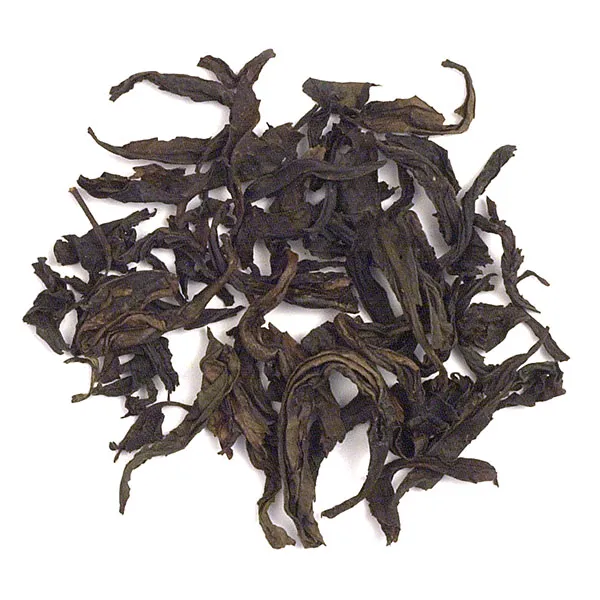
Fresh leaves first go through withering under the sun or indoors. This reduces moisture and softens the leaves. Then, bruising happens by shaking or tossing leaves in baskets. Bruising breaks leaf edges and starts the chemical changes. This step is important to create Oolong’s complex flavors.
Partial Oxidation Process
Oolong tea is partially oxidized, between green and black tea. The bruised leaves rest in cool air for a short time. Oxidation changes the leaf color and develops taste. This process is carefully watched to stop at the right time. It gives Oolong its unique balance of fresh and rich notes.
Rolling And Drying Methods
Leaves are rolled by hand or machine to twist and curl them. Rolling helps release natural oils and shapes the tea. After rolling, leaves dry to stop oxidation. Drying also locks in flavors and aroma. This step ensures the tea keeps well and tastes fresh when brewed.
Flavor Profiles And Varieties
Chinese Oolong tea offers a rich variety of flavors and aromas. It sits between green and black tea in oxidation. This balance creates unique taste profiles and diverse tea types. Exploring these differences helps appreciate each cup’s special character.
Light Vs Dark Oolong
Light Oolong teas have lower oxidation, around 10-30%. They taste floral and fresh with a mild sweetness. Dark Oolong teas oxidize more, between 50-70%. These have a stronger, roasted flavor with a hint of caramel. Both types provide a smooth and satisfying experience but differ in aroma and strength.
Famous Oolong Types
Several Chinese Oolongs stand out worldwide. Tie Guan Yin is a famous light Oolong with a floral fragrance. Da Hong Pao, a dark Oolong, offers a rich and roasted taste. Shui Xian is another dark Oolong known for its earthy notes. Each type has a unique story and flavor to explore.
Tasting Notes To Expect
Expect a range of flavors from sweet to nutty. Light Oolongs often taste like orchids or honey. Dark Oolongs may have notes of roasted nuts, chocolate, or wood. Some have a creamy texture, while others feel crisp and bright. The aroma can be floral, fruity, or earthy depending on the tea.
Health Benefits Of Oolong
Oolong tea is more than just a tasty drink. It offers many health benefits that can improve your daily life. This tea is made from partially fermented leaves, giving it a unique mix of qualities found in both green and black teas. Regularly drinking oolong can support your body in various ways.
Antioxidant Properties
Oolong tea contains antioxidants that protect your cells. These antioxidants help fight harmful molecules called free radicals. Free radicals can cause damage and speed up aging. Drinking oolong tea may reduce this damage and keep your skin healthy. It also supports your immune system to work better.
Metabolism And Weight Management
Oolong tea can boost your metabolism naturally. A faster metabolism helps your body burn calories more efficiently. This makes it easier to manage weight without extreme diets. The tea also helps improve fat breakdown, supporting healthy weight control. Drinking oolong regularly can aid in maintaining a balanced body.
Heart And Brain Health
Oolong tea supports heart health by improving blood circulation. It may help lower bad cholesterol levels. This reduces the risk of heart-related problems. The tea also benefits brain function by improving alertness and focus. Drinking oolong can keep your mind sharp and active throughout the day.
Brewing The Perfect Cup
Brewing the perfect cup of Chinese Oolong tea brings out its rich flavor and aroma. The process needs care and attention. Each step affects the taste and experience.
Simple techniques help you enjoy this tea fully. From choosing leaves to timing water, every detail matters. Here is how to brew Oolong tea well.
Choosing Quality Leaves
Start with fresh, whole Oolong tea leaves. Look for leaves that are tightly rolled or twisted. Avoid broken or dusty leaves. Good quality leaves make a big difference in taste. Choose leaves with a strong, natural aroma. Darker leaves usually mean more oxidation and richer flavor.
Water Temperature And Timing
Heat water to about 190°F (88°C). Too hot water burns the leaves and makes the tea bitter. Pour hot water gently over the leaves. Steep the tea for 1 to 3 minutes. Shorter steeping gives lighter flavor; longer steeping brings out more strength. Adjust steeping time to your taste.
Multiple Infusions Technique
Oolong tea leaves can be used several times. Each infusion reveals new flavors. Add hot water again after the first steep. Increase steeping time slightly for each new brew. Enjoy the changing taste with every cup. This method saves tea and enriches your experience.
Cultural Significance
Chinese Oolong tea holds a special place in Chinese culture. It is more than just a drink. It connects people to history and tradition. Its unique taste and aroma carry stories from ancient times. Many Chinese families pass down tea knowledge through generations. Oolong tea rituals reflect respect, patience, and harmony.
This tea plays a key role in social and spiritual life. It often appears during important events and daily moments. The cultural significance of Oolong tea goes beyond taste. It represents art, peace, and community in China.
Tea Ceremonies And Traditions
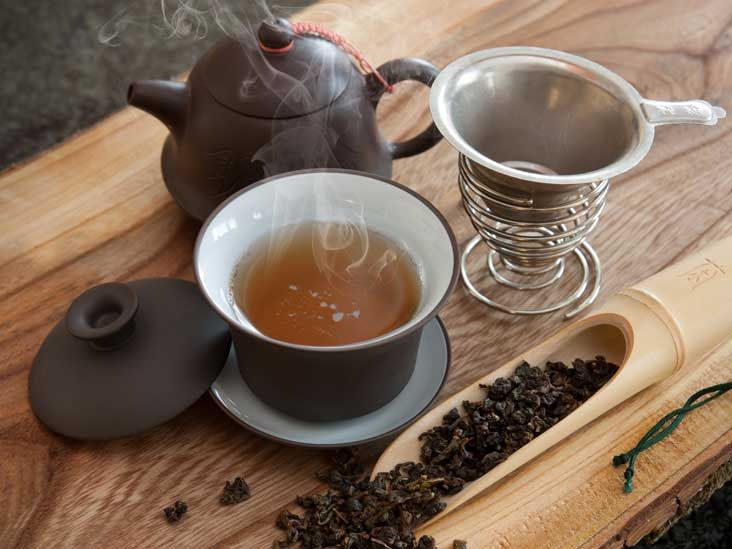
Oolong tea is central to many Chinese tea ceremonies. These ceremonies focus on careful brewing and serving. Every step shows respect for the tea and guests. The art of making Oolong tea teaches mindfulness and calmness. Ceremonies often include special teapots and cups. The process creates a peaceful, shared experience.
Oolong In Chinese Society
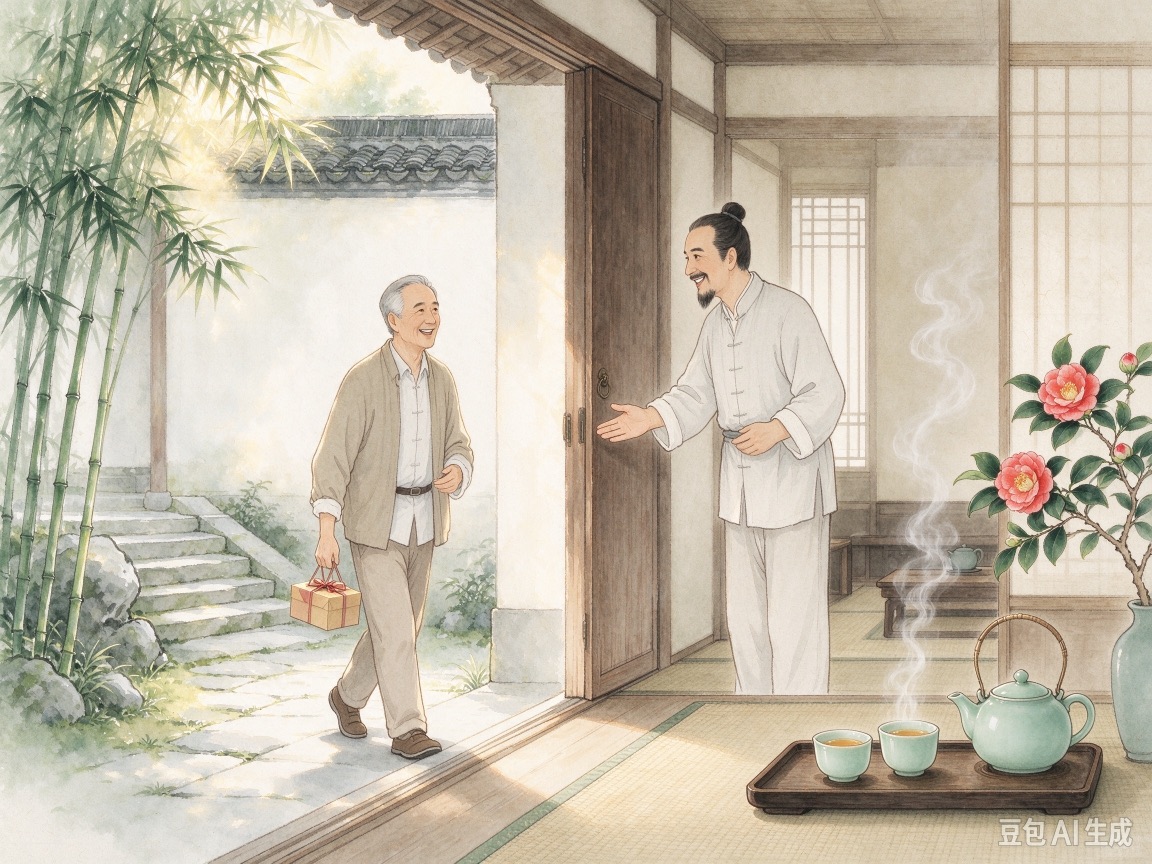
Oolong tea holds social importance in China. It brings families and friends together. People serve Oolong tea to welcome guests. It symbolizes hospitality and kindness. In some regions, tea drinking marks special occasions. Oolong tea also reflects local culture and farming traditions. It connects people to their roots and land.
Modern Popularity Worldwide
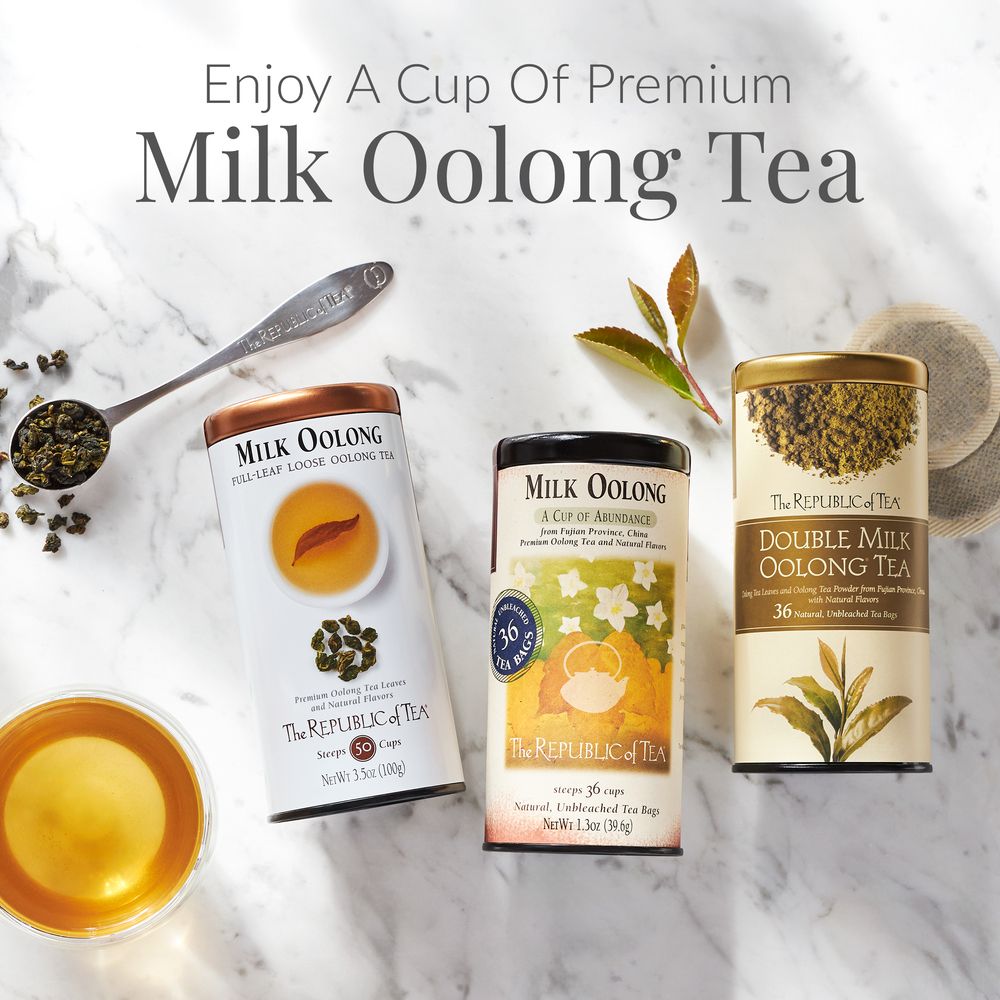
Oolong tea is gaining fans around the world. Many appreciate its rich, smooth flavor. Tea lovers enjoy its health benefits too. Global interest in traditional teas grows each year. Oolong tea shops and cafes appear in many cities. This tea bridges cultures and shares Chinese heritage globally.
Frequently Asked Questions
What Is Chinese Oolong Tea?
Chinese Oolong tea is a traditional semi-oxidized tea known for its floral and fruity flavors. It balances green and black tea qualities, offering unique taste and aroma. Its processing involves partial fermentation, resulting in diverse varieties and rich antioxidants.
How Is Chinese Oolong Tea Made?
Chinese Oolong tea is made by withering, bruising, and partial fermentation of tea leaves. The leaves are carefully oxidized between 10% to 70%, then rolled and dried. This process creates a complex flavor profile distinct from green or black teas.
What Are The Health Benefits Of Chinese Oolong Tea?
Chinese Oolong tea aids digestion, boosts metabolism, and supports heart health. It contains antioxidants that reduce inflammation and improve brain function. Regular consumption may help with weight management and enhance mental alertness.
How To Brew Chinese Oolong Tea Correctly?
Use water at 85-95°C (185-203°F) to brew Chinese Oolong tea. Steep for 3-5 minutes to release optimal flavor. Rinse leaves with hot water before brewing to awaken aromas. Multiple infusions are possible without losing taste quality.
Conclusion
Chinese Oolong tea offers a unique taste and rich aroma. It has a smooth flavor that many tea lovers enjoy daily. Drinking Oolong tea can bring calm and focus to your day. Its health benefits include antioxidants that support wellness.
Brewing it is simple and rewarding with practice. Trying different types helps find your favorite blend. Oolong tea connects tradition with a peaceful moment. A warm cup invites relaxation and a break from stress. Give Chinese Oolong tea a chance to refresh you.