
Have you ever wondered why Chinese Red Tea is gaining so much attention? This tea isn’t just a drink; it’s a powerful experience that can refresh your mind and body.
Imagine sipping a warm cup that boosts your energy, calms your nerves, and offers a rich, smooth flavor unlike any other. If you’re curious about how this ancient tea can fit into your daily routine and bring real benefits, keep reading.
By the end, you’ll know exactly why Chinese Red Tea could be your next favorite brew.
Origins Of Chinese Red Tea
Chinese Red Tea has a rich and fascinating origin. It traces back hundreds of years in China. The tea is known for its deep red color and sweet taste. It holds a special place in Chinese tea culture. Understanding its origins helps appreciate the tea more deeply.
Historical Background
Red tea, also called “hong cha” in Chinese, began during the Ming Dynasty. Tea farmers started oxidizing tea leaves fully. This process gave the tea its red color and unique flavor. The tea quickly became popular among nobles and common people alike. Over centuries, red tea spread across China and beyond. It shaped tea traditions in many regions.
Regions Famous For Red Tea
Several regions in China are famous for red tea production. The most known is the Wuyi Mountains in Fujian Province. This area produces the famous Lapsang Souchong tea. Another key region is Yunnan Province, known for its rich Pu-erh and Dian Hong teas. These areas have perfect climates and soils for red tea. Farmers here use traditional methods to keep high quality. Each region creates distinct flavors loved by tea drinkers worldwide.
Unique Characteristics
Chinese Red Tea stands out with its special qualities. It offers a rich taste and a warm color. Many tea lovers appreciate its smooth texture and unique scent. This tea comes from carefully picked leaves and a traditional process. These factors create a distinct experience.
Flavor Profile
The flavor of Chinese Red Tea is bold yet gentle. It has a sweet taste with hints of honey and fruit. Some teas show a slight maltiness that feels smooth in the mouth. The finish is clean, leaving a pleasant aftertaste. This balance makes it easy to enjoy alone or with food.
Appearance And Aroma
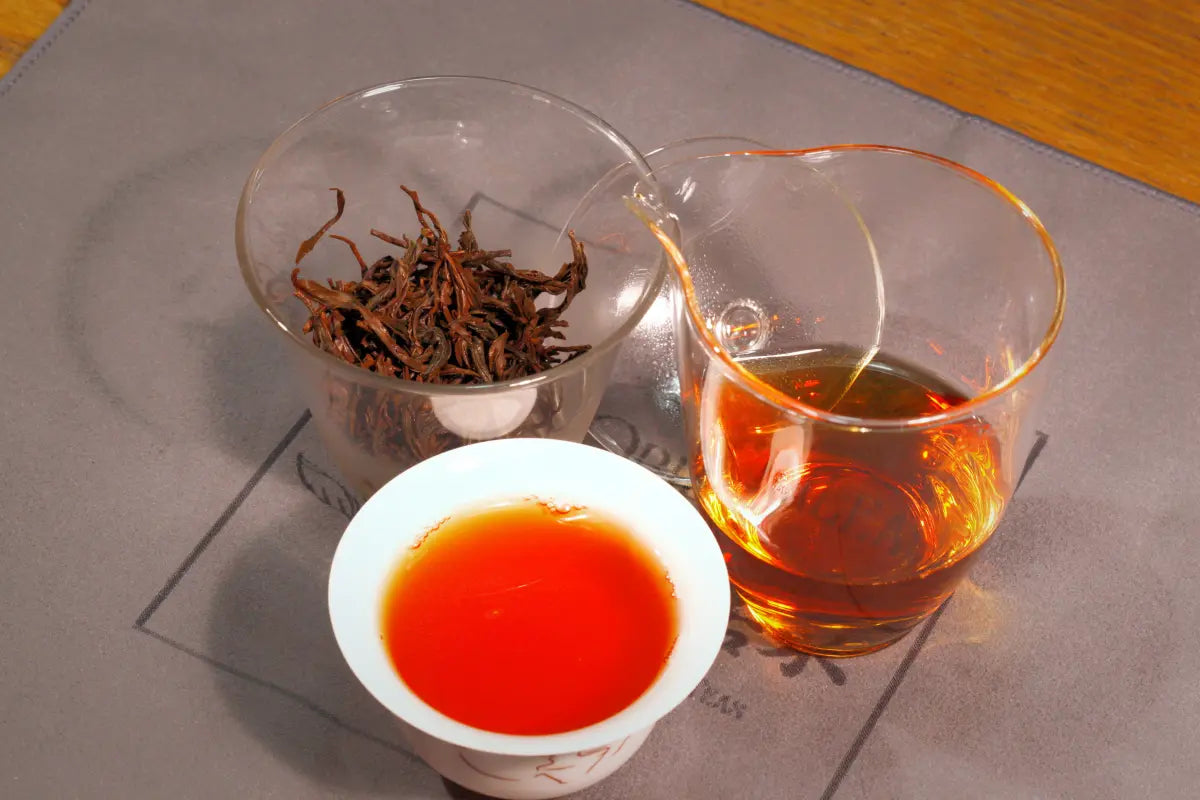
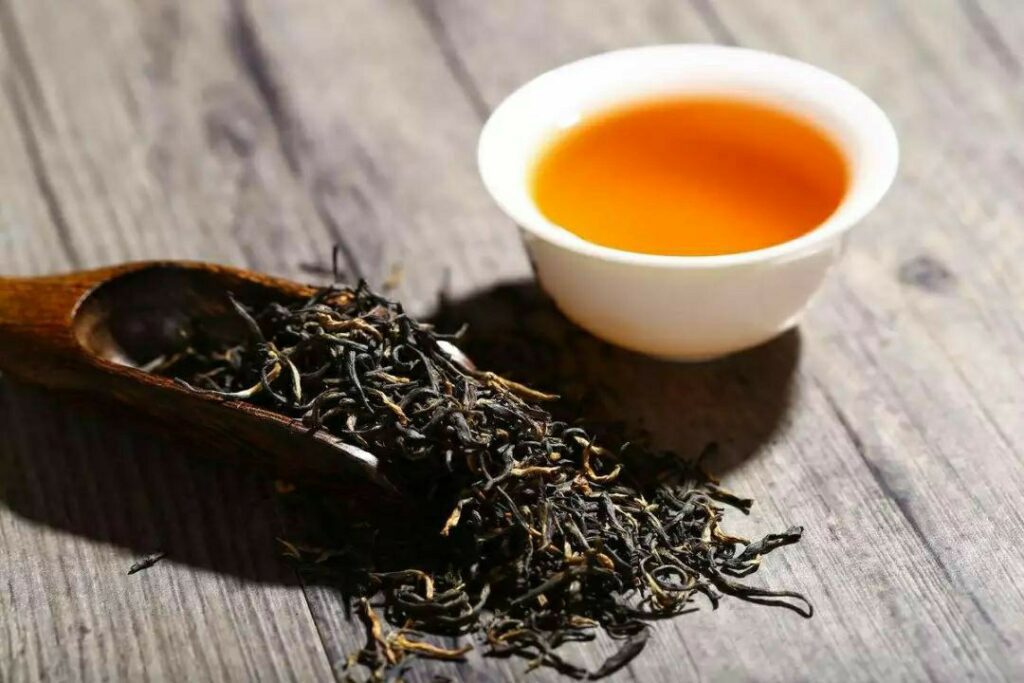
The tea leaves are dark and shiny, showing careful drying. When brewed, the tea has a deep reddish-brown color. This warm shade invites a comforting feeling. The aroma is fragrant and soft, with notes of flowers and wood. It fills the air with a calming scent that soothes the mind.
Health Benefits
Chinese Red Tea offers many health benefits. This tea is more than just a tasty drink. It helps protect your body and improve well-being. Drinking it regularly can support your health in simple ways.
Its natural ingredients work gently to keep your body strong. Let’s explore some key health benefits of Chinese Red Tea.
Antioxidant Properties
Chinese Red Tea is rich in antioxidants. These compounds fight harmful molecules called free radicals. Free radicals can cause cell damage and aging. Antioxidants help protect your cells and keep them healthy. Drinking red tea reduces oxidative stress in the body.
Heart Health Support
This tea supports a healthy heart. It can help lower bad cholesterol levels. Keeping cholesterol in check reduces the risk of heart disease. Chinese Red Tea also helps improve blood circulation. Better circulation means a stronger, healthier heart.
Boosting Immunity
Red Tea strengthens your immune system. It helps the body fight off infections and illnesses. The natural compounds in the tea enhance your body’s defense. Drinking it regularly can keep you feeling well and energetic.
Aiding Digestion
Chinese Red Tea soothes the digestive system. It helps break down food and reduces bloating. Drinking this tea after meals supports smooth digestion. It also helps calm an upset stomach naturally.
Popular Varieties
Chinese red tea is famous for its rich flavors and smooth taste. There are many varieties, each with a unique character. These teas are enjoyed worldwide for their aroma and health benefits.
Here are some popular types that stand out for their quality and distinct flavors.
Keemun
Keemun is one of the most famous Chinese red teas. It comes from Qimen County in Anhui Province. This tea has a gentle, fruity flavor with a hint of smokiness. Keemun is often used in English Breakfast blends. Its dark red color and soft aroma make it a favorite among tea lovers.
Dianhong
Dianhong originates from Yunnan Province. It is known for its bright reddish-brown leaves. The taste is smooth with a sweet, malty flavor. Dianhong is less smoky than other red teas. It offers a rich and mellow drinking experience. This tea is perfect for those who enjoy a balanced cup.
Lapsang Souchong
Lapsang Souchong is famous for its smoky aroma. It is made in the Wuyi Mountains of Fujian Province. The leaves are dried over pinewood fires, giving the tea a strong smoky taste. This red tea has a bold flavor that some find intense. It pairs well with hearty foods and cold weather.
Brewing Tips
Brewing Chinese Red Tea correctly brings out its rich flavor and smooth aroma. Simple steps make a big difference in taste. Follow these tips to enjoy a perfect cup every time.
Water Temperature
Use water that is hot but not boiling. Ideal temperature is around 85 to 95°C (185 to 203°F). Too hot water makes the tea bitter. Too cool water leaves the flavor weak.
Steeping Time
Let the tea steep for 3 to 5 minutes. Short steeping gives a light taste. Longer steeping creates a stronger flavor. Avoid over-steeping to prevent bitterness.
Serving Suggestions
Serve Chinese Red Tea plain to enjoy its natural taste. Add a little honey or lemon if you like. Use a clear glass cup to see the tea’s deep red color.
Pairing Ideas
Chinese Red Tea offers a rich and sweet taste that pairs well with many foods. Choosing the right pairing enhances the tea’s flavor and your overall experience. Simple, thoughtful pairings bring out the best in both the tea and your food.
Food Pairings
Red tea matches well with snacks and meals that balance its smooth, sweet notes. Mild cheeses like cream cheese or brie complement the tea’s natural sweetness. Light pastries, such as almond cookies or sponge cakes, also work well. For savory options, try steamed dumplings or grilled chicken. These foods bring out the tea’s fruity and malty flavors without overpowering them.
Complementary Flavors
The natural caramel and honey notes in Chinese Red Tea blend nicely with spices like cinnamon and clove. Fresh fruits, especially stone fruits like peaches or apricots, enhance the tea’s bright character. Nuts such as almonds or walnuts add a pleasant crunch and deepen the taste experience. Herbal accents like mint or ginger can refresh the palate and highlight the tea’s aroma.
Buying And Storage
Buying and storing Chinese Red Tea properly keeps its flavor fresh and rich. Good tea needs care from purchase to storage. The right choices make your tea taste better and last longer.
Selecting Quality Tea
Choose tea with bright, even color and whole leaves. Avoid tea with broken or dusty pieces. Fresh tea smells sweet and warm. Check the packaging date to get the newest batch. Trusted sellers often offer better quality tea.
Storage Best Practices
Store tea in a cool, dry place away from sunlight. Use airtight containers to keep out air and moisture. Avoid strong smells near your tea, as it absorbs odors easily. Keep the tea away from heat sources like stoves. Proper storage keeps the tea fresh for months.
Frequently Asked Questions
What Is Chinese Red Tea?
Chinese Red Tea is a type of black tea from China. It is fully oxidized, giving it a rich, reddish-brown color and a smooth, sweet flavor. It is famous for its bold taste and health benefits, making it popular worldwide.
How Is Chinese Red Tea Different From Green Tea?
Chinese Red Tea is fully oxidized, while green tea is not. This oxidation gives red tea its dark color and stronger flavor. Green tea has a lighter taste and more antioxidants. Both teas offer unique health benefits and distinct brewing methods.
What Are The Health Benefits Of Chinese Red Tea?
Chinese Red Tea supports digestion, boosts metabolism, and enhances heart health. It contains antioxidants that help fight free radicals. Drinking it regularly may improve energy levels and reduce stress. It’s a healthy alternative to sugary drinks.
How Should I Brew Chinese Red Tea Properly?
Use water just below boiling, around 95°C (203°F). Steep 2-3 grams of tea leaves for 3-5 minutes. Avoid over-steeping to prevent bitterness. Adjust steeping time based on your taste preference for the best flavor.
Conclusion
Chinese red tea offers a rich taste and many health benefits. Its warm color and smooth flavor make it a favorite drink. Drinking this tea can help you relax and feel refreshed. It fits well in daily routines and special moments.
Try a cup and enjoy the calm it brings. Simple, natural, and full of tradition. A small sip takes you to ancient tea culture. Enjoy the warmth and comfort in every cup.