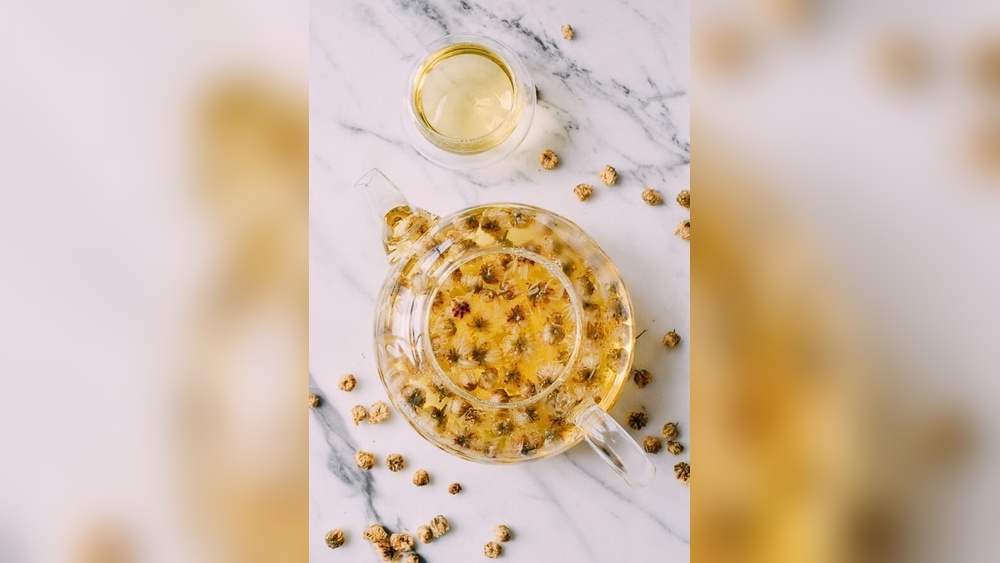

Are you looking for a simple way to boost your health and relax your mind? Chrysanthemum tea might be the answer you’ve been searching for.
This soothing, floral drink has been loved for centuries, and it’s easy to see why. Imagine sipping a warm cup that not only tastes refreshing but also helps calm your nerves, supports your immune system, and refreshes your body. Keep reading to discover how chrysanthemum tea can become your new favorite daily ritual—and why it deserves a spot in your kitchen today.
Health Benefits Of Chrysanthemum Tea
Chrysanthemum tea offers many health benefits. It has been used for centuries in traditional medicine. This floral tea contains natural compounds that support overall well-being. Drinking chrysanthemum tea can help maintain good health in simple, natural ways.
Rich Antioxidant Properties
Chrysanthemum tea is full of antioxidants. These substances help fight harmful free radicals in the body. Free radicals can cause damage to cells and lead to aging and diseases. Antioxidants help protect the body and keep cells healthy.
Supports Immune Function
This tea boosts the immune system. It helps the body defend against infections. Regular consumption can strengthen your natural defense system. A strong immune system means fewer illnesses and faster recovery.
Promotes Eye Health
Chrysanthemum tea is good for the eyes. It contains nutrients that soothe tired eyes. It may reduce eye strain and improve vision clarity. People who spend long hours on screens find it helpful.
Aids In Detoxification
Drinking chrysanthemum tea helps cleanse the body. It supports the liver in removing toxins. Detoxification improves energy and overall health. The tea acts as a gentle, natural purifier.
Reduces Inflammation
This tea has anti-inflammatory effects. It helps reduce swelling and pain in the body. It can ease discomfort from conditions like arthritis. Regular use promotes better joint and muscle health.
Calms The Nervous System
Chrysanthemum tea has a calming effect. It helps reduce stress and anxiety naturally. Drinking it can improve sleep quality. It soothes the mind and promotes relaxation after a busy day.
Choosing Quality Chrysanthemum Flowers
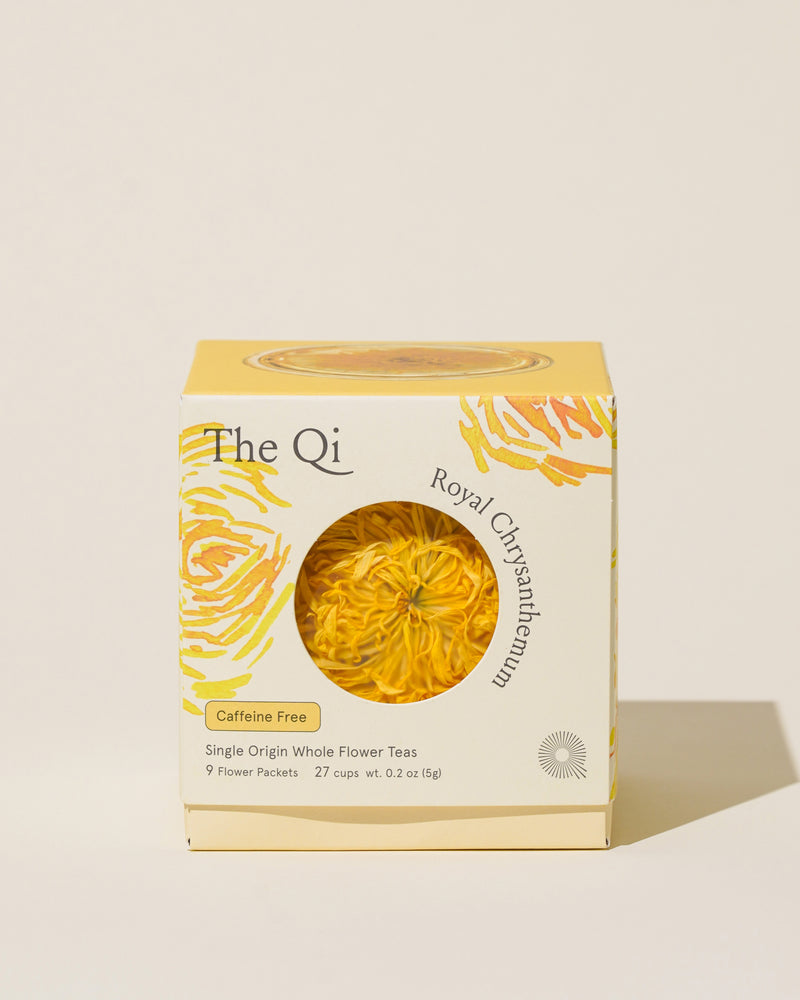
Chrysanthemum tea tastes best with high-quality flowers. The quality affects the flavor, aroma, and health benefits.
Choosing the right type and form of chrysanthemum flowers is important. It ensures a clean, pure tea experience.
Types Of Chrysanthemum Used
There are many chrysanthemum types, but two are popular for tea. The most common are Hangbaiju and Gongju.
Hangbaiju has a mild, sweet flavor. Gongju is a bit stronger and more fragrant.
Both types offer good health benefits. Choose based on your taste preference.
Organic Vs. Conventional
Organic chrysanthemums grow without synthetic chemicals. They avoid pesticides and fertilizers.
Conventional flowers may have chemical residues. These could affect the tea’s purity and safety.
Organic flowers usually cost more but taste cleaner. They suit those who want natural tea.
Fresh Vs. Dried Flowers
Fresh chrysanthemum flowers have a bright aroma. Their flavor is gentle and light.
Dried flowers last longer and keep most of their taste. They are easy to store and use.
Choose fresh flowers for a delicate brew. Use dried flowers for convenience and long shelf life.
Brewing Chrysanthemum Tea
Brewing chrysanthemum tea is simple and rewarding. It brings out the gentle floral aroma and delicate taste. Proper brewing lets you enjoy its soothing benefits fully.
Water Temperature And Time
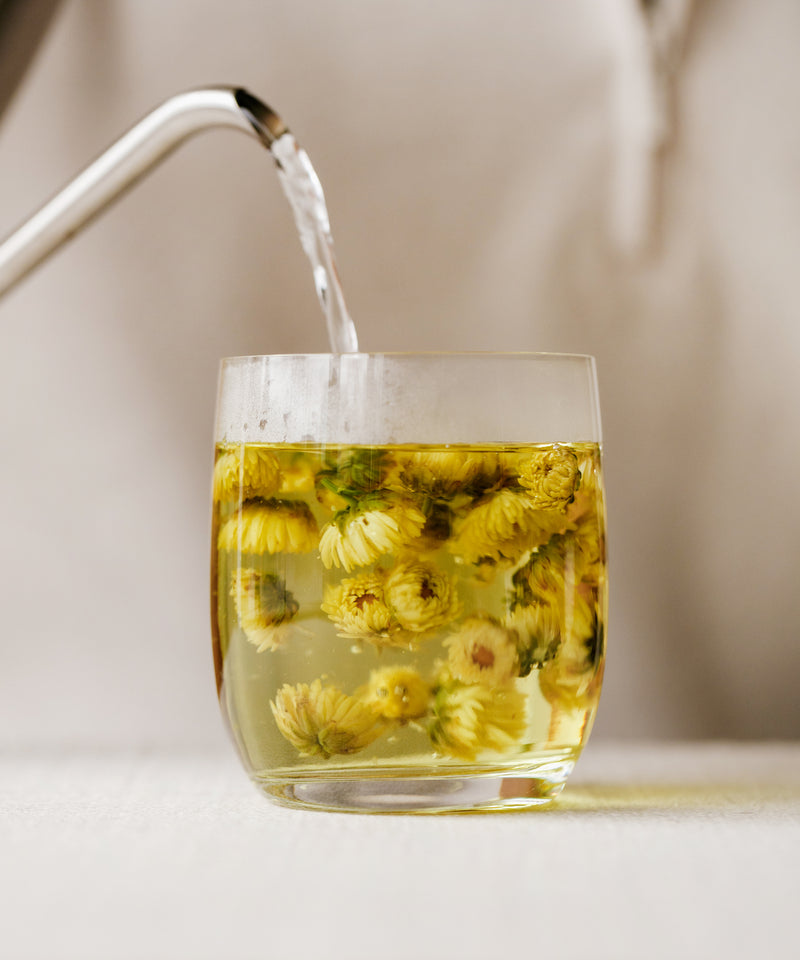
Use water heated to about 175°F (80°C). Boiling water can make the tea taste bitter. Steep the flowers for 3 to 5 minutes. Too long steeping can make the flavor strong and bitter. Check the color; a light golden yellow means it is ready.
Using Loose Flowers Vs. Tea Bags
Loose chrysanthemum flowers provide a fresher, richer taste. They allow the flowers to expand fully in hot water. Tea bags are more convenient and less messy. The flavor from tea bags may be lighter. Choose based on your taste and convenience.
Enhancing Flavor With Additives
Add a little honey to sweeten the tea naturally. A slice of lemon adds a fresh, tangy note. Some like a bit of rock sugar for mild sweetness. Avoid strong additives that cover the tea’s delicate flavor. Keep it simple to enjoy its natural taste.
Chrysanthemum Tea In Traditional Medicine
Chrysanthemum tea has a long history in traditional medicine. It is a popular drink in many Asian cultures. People use it not only for its taste but also for health benefits. This tea is made from dried chrysanthemum flowers. It is believed to help with various health issues. The tea is light and soothing, often used to calm the body and mind.
Historical Uses In Asia
In ancient China, chrysanthemum tea was a common remedy. It helped reduce fever and ease headaches. The tea was also used to improve vision. Traditional healers recommended it for its cooling effect on the body. Many families brewed it to fight colds and respiratory problems. It was a simple, natural way to support health.
In Korea and Japan, chrysanthemum tea had similar uses. It was part of herbal medicine practices. People believed it could detoxify the liver. The tea was also used to lower blood pressure. These benefits made it a staple in daily life.
Modern Herbal Applications
Today, chrysanthemum tea remains popular in herbal medicine. It is often used to reduce inflammation. Some people drink it to relieve stress and anxiety. The tea contains antioxidants that protect cells from damage. It is also used to support eye health in modern herbal practices.
Many herbalists recommend chrysanthemum tea for its calming effects. It helps soothe sore throats and reduce cold symptoms. Some studies suggest it may help with blood sugar control. The tea is gentle and safe for most people. It fits well into a healthy lifestyle.
Potential Side Effects And Precautions
Chrysanthemum tea offers many health benefits, but it is important to know its potential side effects. Understanding these can help you enjoy the tea safely. Some people may react differently to chrysanthemum tea, especially if they have allergies or take certain medicines. Also, it is wise to follow recommended limits for drinking this tea.
Allergic Reactions
Some people may have allergic reactions to chrysanthemum tea. Symptoms include itching, rash, or swelling. People allergic to ragweed or daisies may be more at risk. Stop drinking the tea if you notice any allergy signs. Seek medical help if symptoms get worse.
Interactions With Medications
Chrysanthemum tea can interact with some medications. It may affect blood thinning drugs and cause problems. It can also impact medicines for high blood pressure. Talk to a doctor before drinking the tea with any medication. This helps avoid unwanted side effects or reduced drug effects.
Recommended Consumption Limits
Drinking too much chrysanthemum tea can cause stomach upset. Limit your intake to two to three cups per day. Excessive drinking may lead to dizziness or headaches. Pregnant and breastfeeding women should consult a doctor first. Always drink chrysanthemum tea in moderation for safety.

Frequently Asked Questions
What Are The Health Benefits Of Chrysanthemum Tea?
Chrysanthemum tea helps reduce inflammation and supports immune health. It also aids in detoxifying the liver and improving eye health. This herbal tea has antioxidants that protect cells and promote relaxation, making it a natural remedy for stress relief.
How Is Chrysanthemum Tea Prepared?
To prepare chrysanthemum tea, steep dried chrysanthemum flowers in hot water for 5-7 minutes. You can add honey or rock sugar for sweetness. Serve it warm or chilled for a refreshing, floral beverage rich in antioxidants and nutrients.
Can Chrysanthemum Tea Help With Cold Symptoms?
Yes, chrysanthemum tea soothes sore throats and reduces fever. Its anti-inflammatory properties relieve congestion and promote faster recovery. Drinking this tea helps calm coughs and supports respiratory health naturally during colds or flu.
Is Chrysanthemum Tea Safe For Daily Consumption?
Generally, chrysanthemum tea is safe when consumed daily in moderate amounts. However, those allergic to flowers or with certain medical conditions should consult a doctor first. Pregnant or breastfeeding women should also seek medical advice before regular use.
Conclusion
Chrysanthemum tea offers a gentle, calming experience. It helps soothe your body and refresh your mind. This tea is easy to prepare and enjoy any time. Many people drink it to relax and stay healthy. Its mild floral taste makes it a favorite choice.
Try adding chrysanthemum tea to your daily routine. Small changes can bring great benefits to your wellness. A simple cup can brighten your day and calm your nerves. Give chrysanthemum tea a chance and feel the difference yourself.