
Have you ever wondered what makes a tea truly unforgettable? Dahongpao Tea might be the answer you’re looking for.
This rare and cherished tea has a rich history and a flavor that can surprise and delight your senses. If you want to discover how Dahongpao can transform your tea experience, keep reading. You’ll learn what sets it apart and why it deserves a special place in your collection.
Get ready to explore a world of taste and tradition that speaks directly to you.
History Of Dahongpao Tea
Dahongpao tea holds a special place in Chinese tea culture. Its story dates back centuries. This tea is famous for its rich flavor and rare origin. The history reveals its deep connection to the Wuyi Mountains. Each sip carries a legacy of nature and tradition.
Understanding its past helps appreciate Dahongpao more. The tea’s journey is full of legends and royal tales. It evolved through many dynasties, keeping its unique charm alive. Let’s explore the key moments in the history of Dahongpao tea.
Origins In Wuyi Mountains
Dahongpao tea grows in the Wuyi Mountains of China. This area is known for its rocky cliffs and misty weather. The soil here is rich in minerals, perfect for tea plants. The mountain’s natural conditions give Dahongpao its special taste.
The tea bushes are old and rare. They grow in small, protected spots on steep cliffs. This makes harvesting difficult and the tea precious. The Wuyi Mountains are the heart of Dahongpao’s origin and quality.
Legend And Cultural Significance
A famous legend surrounds Dahongpao tea. It is said the tea saved an emperor’s mother from illness. The emperor rewarded the tea bushes with a red robe. This story gave the tea its name, meaning “Big Red Robe.”
Dahongpao became a symbol of health and honor. It is linked to Chinese royalty and culture. Many see it as a treasure and a gift from nature. This tea reflects respect for tradition and natural beauty.
Evolution Through Dynasties
Dahongpao tea has thrived through many Chinese dynasties. Each era helped protect and spread its fame. The Ming and Qing dynasties were important for its popularity. Tea masters refined the picking and roasting methods over time.
Despite changes, the core qualities stayed the same. The tea retained its strong aroma and smooth taste. Today, Dahongpao remains a prized tea worldwide. Its history adds depth to every cup enjoyed.
Unique Growing Conditions
Dahongpao tea grows under very special conditions. These conditions make its flavor rich and unique. The environment plays a big role in shaping the tea’s taste and quality.
Understanding the growing conditions helps appreciate why Dahongpao is so prized. Let’s explore the soil, climate, and other factors that influence this famous tea.
Soil And Climate Factors
Dahongpao thrives in rocky, mineral-rich soil. The soil has good drainage and many nutrients. It forces the tea plants to grow slowly.
The climate is cool and misty. This keeps the leaves fresh and tender. Mountain air with high humidity is perfect for Dahongpao plants. These conditions help develop complex flavors.
Wild Vs Cultivated Plants
Wild Dahongpao plants grow naturally on cliffs. They are rare and produce intense flavors. Cultivated plants grow on farms but try to copy wild conditions.
Wild plants take longer to mature. Their leaves have deeper taste notes. Cultivated plants grow faster but may lack some richness. Both types are valued for different reasons.
Impact Of Terroir On Flavor
Terroir means the complete natural environment of the tea. It includes soil, climate, and landscape. Each factor changes the tea’s taste slightly.
Dahongpao’s terroir creates a unique aroma and sweetness. The rocky soil adds a mineral hint. The mountain mist softens bitterness. These combined effects make Dahongpao special.
Harvesting And Processing
Dahongpao tea is a rare and precious tea from China. The quality of this tea depends a lot on how it is harvested and processed. Each step in the process helps bring out its unique flavor and aroma. Careful handling keeps the tea’s natural qualities intact.
The work starts in the tea gardens. Skilled workers pick the leaves with great care. After picking, the leaves go through special steps to develop the taste. These steps include withering, oxidation, and roasting. Each step is important to create the rich, smooth flavor of Dahongpao.
Picking Techniques
Only the youngest leaves and buds are picked. This ensures the tea is tender and fresh. Pickers use their fingers to pluck leaves gently. They avoid damaging the leaves to keep quality high. Picking is done early in the morning to keep leaves fresh.
Withering And Oxidation
After picking, leaves are spread out to wither. This removes some water and softens the leaves. Then the leaves begin to oxidize. Oxidation changes the color and flavor. Workers carefully watch the leaves during this process. The right amount of oxidation makes the tea rich and smooth.
Roasting Methods
Roasting is the final step before packaging. Leaves are heated over charcoal or in ovens. Roasting stops oxidation and adds a toasty flavor. The temperature and time are controlled closely. Proper roasting gives Dahongpao its unique aroma and taste.

Flavor Profile And Aroma
Dahongpao tea offers a unique flavor and aroma that many tea lovers cherish. This rare oolong has a rich taste and a fragrant scent that stands out. Exploring its flavor and aroma helps appreciate this special tea fully.
Tasting Notes
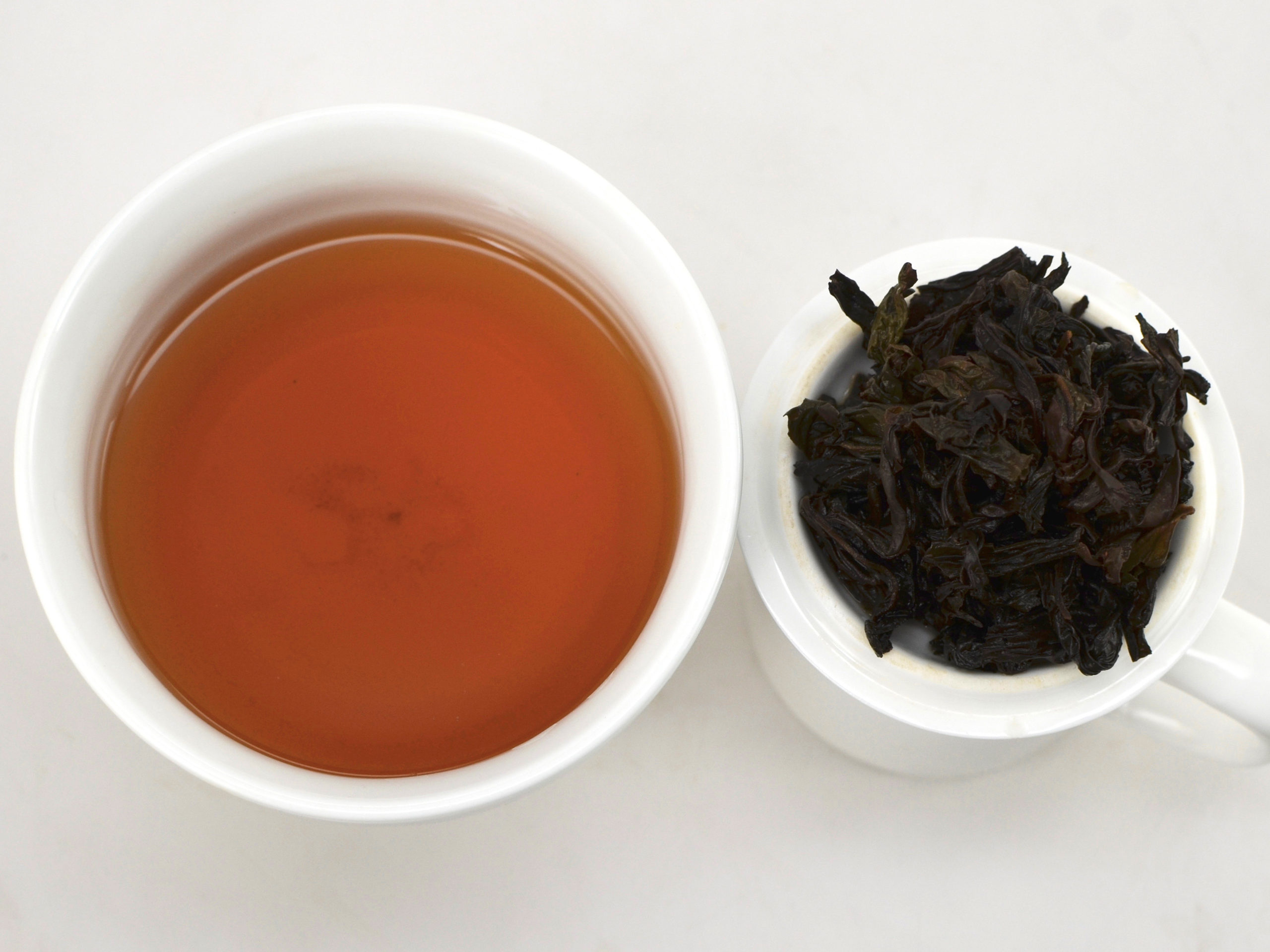
Dahongpao has a smooth and bold flavor. It tastes slightly sweet with hints of roasted nuts and floral notes. The tea leaves give a rich, deep taste that lasts long on the tongue. It is not bitter but has a nice balance of flavors. Each sip reveals layers of complexity, making it a favorite for many.
Aroma Characteristics
The aroma of Dahongpao is strong and inviting. It smells like fresh flowers mixed with a light roasted scent. You might notice a hint of fruitiness in the fragrance. The smell is clean and fresh, creating a pleasant experience even before tasting. It feels warm and comforting, perfect for relaxing moments.
Comparisons With Other Oolongs
Dahongpao is richer and more intense than many other oolongs. It has a stronger roasted flavor compared to lighter oolongs. Some oolongs are more floral or fruity, but Dahongpao blends these with a deep, smoky touch. This makes it unique and worth trying for those who enjoy bold teas. It stands out for its balance of strength and smoothness.
Health Benefits Of Dahongpao
Dahongpao tea is famous for its rich flavor and unique aroma. Beyond taste, it offers many health benefits. Drinking Dahongpao supports overall wellness and helps maintain balance in the body.
This ancient tea contains natural compounds that promote good health. Let’s explore how Dahongpao tea can help your body and mind.
Antioxidant Properties
Dahongpao tea is rich in antioxidants. These substances protect cells from damage caused by free radicals. Free radicals can lead to aging and some diseases. Antioxidants in this tea help slow down these effects. Regular drinking may improve skin health and reduce inflammation.
Digestive Support
This tea helps with digestion after meals. It can reduce bloating and soothe the stomach. Dahongpao promotes the growth of good bacteria in the gut. This balance supports better digestion and nutrient absorption. It also helps prevent indigestion and discomfort.
Mental Alertness Effects
Dahongpao contains caffeine and natural compounds that boost focus. Drinking this tea can increase alertness and reduce fatigue. It supports clear thinking and better concentration. The effects are gentle and last for hours without jitters.
Brewing The Perfect Cup
Brewing the perfect cup of Dahongpao tea brings out its rich flavors and aroma. This tea requires care and attention for the best taste. Small changes in brewing make a big difference. Follow these simple steps to enjoy every sip.
Water Temperature And Time
Use water heated to about 90-95°C (194-203°F). Boiling water can burn the leaves and cause bitterness. Steep the tea for 1 to 2 minutes for the first brew. Shorter times bring out lighter flavors. Increase steeping time by 30 seconds for each next infusion.
Teaware Recommendations
Use a small clay teapot or a glass gaiwan for brewing. Clay keeps heat steady and improves flavor over time. Glass lets you see the tea leaves unfold. Avoid metal pots as they can change the taste. Preheat your teaware with hot water before brewing.
Multiple Infusions Tips
Dahongpao tea is perfect for several infusions. Each brew reveals new flavors. Use the same leaves up to 5 times. Increase steeping time slightly with each infusion. Pour out all the tea to avoid bitterness. Enjoy the changing taste with each cup.
Collecting And Investing
Collecting and investing in Dahongpao tea is a unique experience. This rare tea has a rich history and strong cultural value. It attracts tea lovers and collectors worldwide. Knowing how to spot real Dahongpao and care for it helps protect your investment. Understanding market trends can guide smart buying and selling decisions.
Authenticity And Grading
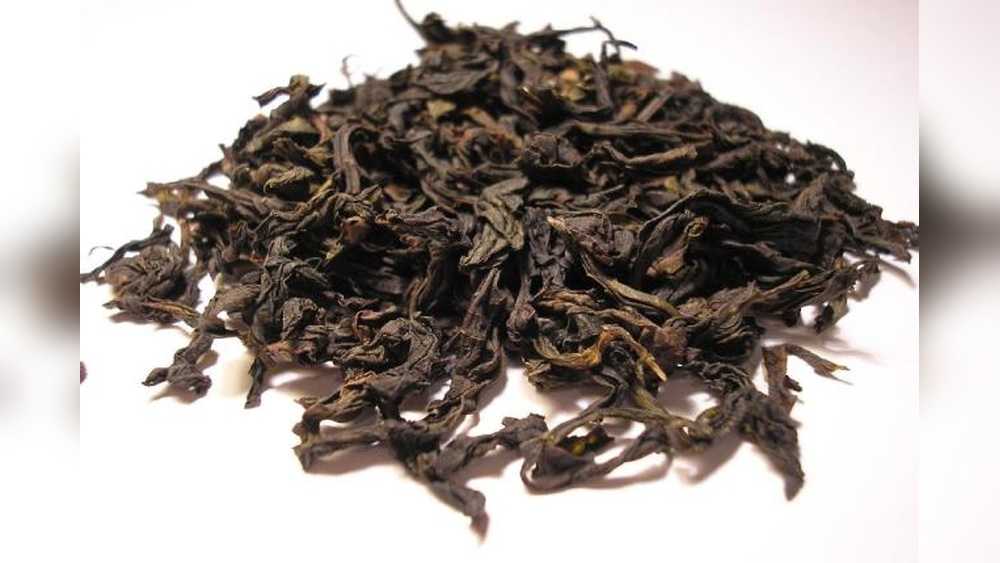
Authenticity is key in Dahongpao collecting. Genuine Dahongpao comes from specific tea bushes in the Wuyi Mountains. Check the leaf shape, aroma, and color carefully. Grading depends on leaf quality and brewing results. Higher grades have a richer taste and more aroma. Always buy from trusted sellers or certified sources.
Storage Best Practices
Proper storage keeps Dahongpao fresh and valuable. Store tea in airtight containers away from light. Keep it in a cool, dry place with low humidity. Avoid strong smells nearby as tea absorbs odors easily. Use dark, non-transparent containers to protect from light damage. Follow these steps to maintain flavor and aroma for years.
Market Trends And Value
Dahongpao tea’s market value changes with demand and rarity. Limited supply and high demand often raise prices. Collectors seek older, well-preserved teas. Auction results show steady growth in value for top grades. Tracking prices helps decide the right time to buy or sell. Invest with patience and knowledge for the best returns.
Modern Innovations
Dahongpao tea has a rich history, but it also grows with the times. Modern innovations help keep this tea special and sustainable. These new methods improve quality and taste. They also help farmers and the environment.
Sustainable Farming Approaches
Farmers use less water and natural pest control. This protects the soil and plants. They avoid harmful chemicals to keep the tea pure. Crop rotation helps the land stay healthy. These steps make farming kinder to nature.
New Processing Techniques
New tools help keep the tea’s flavor fresh. Controlled drying and roasting give a richer taste. Machines carefully handle leaves to avoid damage. These techniques keep the tea’s aroma strong. They make sure each batch is consistent.
Global Popularity Growth
Dahongpao tea reaches new markets worldwide. More people appreciate its unique flavor and history. Tea shops and cafes include it in their menus. Online sales bring this tea to distant places. This growth spreads knowledge and love for Dahongpao.
Frequently Asked Questions
What Is Dahongpao Tea?
Dahongpao tea is a rare, premium oolong tea from China’s Wuyi Mountains. It is famed for its rich flavor and health benefits. Known as “Big Red Robe,” this tea has a unique roasted aroma and a smooth, mellow taste that tea lovers cherish.
How Is Dahongpao Tea Made?
Dahongpao tea is made through a traditional process. Leaves are hand-picked, withered, partially oxidized, and roasted. This careful method enhances its complex flavors and aroma. The roasting stage is crucial, giving the tea its signature smoky and floral notes.
What Are The Health Benefits Of Dahongpao Tea?
Dahongpao tea offers antioxidants that support heart health and digestion. It can boost metabolism and improve mental alertness. Drinking it regularly may help reduce stress and promote overall wellness due to its natural compounds and calming effects.
How To Brew Dahongpao Tea Correctly?
Use about 3 grams of leaves per 150 ml of water at 90°C (194°F). Steep for 1-2 minutes for the first infusion, then increase steeping time gradually. Multiple infusions bring out different flavor layers of this exquisite tea.
Conclusion
Dahongpao tea offers a rich taste and unique aroma. It has a long history and many health benefits. Drinking it can bring calm and refresh your mind. This tea connects you to ancient traditions. Try it slowly and enjoy each sip fully.
A simple cup can bring great pleasure. Explore Dahongpao and find your favorite flavor.