Have you ever thought about what happens to your tea packaging after you finish your cup? If you care about the planet and want to make a difference, choosing eco friendly tea packaging is a simple step you can take.
It not only keeps your tea fresh but also helps reduce waste and protect the environment. You’ll discover how small changes in your tea habits can have a big impact. Ready to learn how your tea choice can support a greener future?
Keep reading to find out more.
Benefits Of Eco Friendly Packaging
Eco friendly tea packaging offers many benefits beyond just protecting tea leaves. It helps reduce waste and pollution. It also supports brands in building trust with customers. Consumers want products that care for the planet. Choosing eco friendly packaging aligns with this demand and makes good business sense.
Reducing Environmental Impact
Eco friendly packaging uses materials that break down naturally. It lowers plastic waste in landfills and oceans. Using less energy and water in production also saves resources. This packaging often comes from recycled or renewable sources. It helps reduce carbon emissions linked to making new materials.
Enhancing Brand Image
Brands that use eco friendly packaging show they care about nature. This builds a positive reputation with customers. It sets the brand apart from competitors using harmful plastics. Clear labeling about sustainable packaging attracts eco-conscious buyers. Customers feel proud to support brands that protect the environment.
Meeting Consumer Demand
More people want products with green packaging today. Shoppers choose brands that share their values. Eco friendly tea packaging meets this rising consumer need. It encourages repeat purchases and customer loyalty. Meeting demand helps brands grow in a competitive market.
Materials For Sustainable Tea Packaging
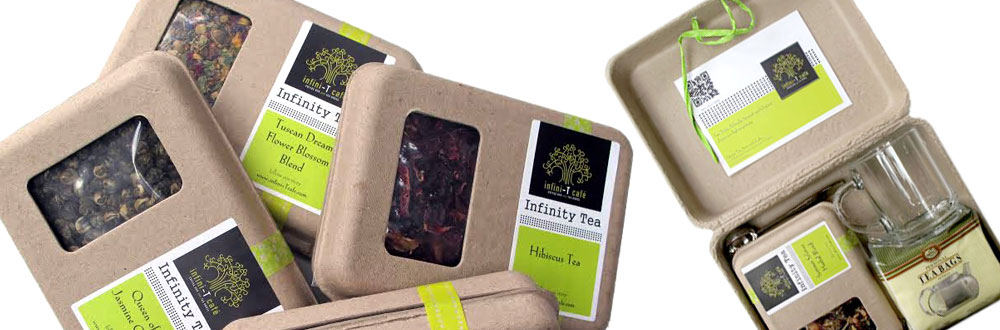
Choosing the right materials is key for sustainable tea packaging. Eco-friendly materials reduce waste and protect the environment. They keep tea fresh without harming nature. Packaging that breaks down naturally or can be reused helps lower pollution. Tea brands use several types of green materials to meet these goals. Each material has unique benefits and uses.
Biodegradable Films
Biodegradable films are made from natural sources like corn or potato starch. These films break down quickly in the soil or compost. They stop plastic waste from piling up in landfills. Tea bags and wrappers often use biodegradable films. They keep tea fresh while returning to the earth safely. These films offer a clean and green packaging choice.
Recycled Paper And Cardboard
Recycled paper and cardboard use old paper products to create new packaging. This process saves trees and reduces energy use. Tea boxes and sleeves made from recycled paper look natural and simple. They are easy to recycle again after use. Using recycled paper helps reduce the demand for new raw materials.
Plant-based Plastics
Plant-based plastics come from plants like corn or sugarcane instead of oil. They can act like regular plastic but with a smaller carbon footprint. These plastics can be compostable or recyclable. Tea packaging made with plant-based plastics cuts down on fossil fuel use. This option supports cleaner production and less waste.
Innovative Packaging Designs
Innovative packaging designs are changing how tea is packed and sold. These designs focus on reducing waste and protecting the environment. Tea brands now use new materials and styles that are better for nature.
These fresh ideas help keep tea fresh and tasty without harming the planet. They also make it easier for people to enjoy tea with less trash. The shift to eco-friendly packaging shows a strong effort to care for the Earth.
Compostable Tea Bags
Compostable tea bags break down naturally after use. They are made from plant-based fibers like cornstarch or paper. These bags do not leave plastic waste behind.
They can go into home compost bins and help soil grow. This reduces landfill trash and supports eco-friendly habits. Tea lovers enjoy the natural feel and easy disposal.
Reusable Containers
Reusable containers offer a smart way to store loose leaf tea. They come in glass, metal, or bamboo materials. These containers keep tea fresh for longer periods.
They can be washed and used many times. This cuts down on single-use packaging waste. Many choose reusable containers to save money and help the planet.
Minimalist And Zero Waste Packaging
Minimalist packaging uses fewer materials and simple designs. It often includes recyclable paper or cardboard with little ink. This type of packaging reduces resource use and waste.
Zero waste packaging aims for no trash after use. It uses materials that can be reused, recycled, or composted fully. This approach suits people who want to live with less waste.
Technologies Driving Eco Packaging
Eco-friendly tea packaging uses new technologies to reduce waste and protect the environment. These technologies help keep tea fresh, provide useful information, and make packaging with less impact. Innovations in materials and processes support sustainability without losing quality.
Smart Labels And Qr Codes
Smart labels add value by giving extra information about the tea. QR codes let customers scan and see details like origin and brewing tips. These labels also help track the product through the supply chain. They reduce the need for extra paper inserts and stickers.
Freshness Preservation Techniques
Keeping tea fresh is key for good taste and health benefits. Eco packaging uses natural oxygen absorbers and breathable films. These materials protect tea from moisture and air without harmful chemicals. Some packages use biodegradable liners that still block light and air.
Automation In Sustainable Packaging
Automation helps produce eco packaging faster and with less waste. Machines can use precise amounts of material, reducing excess. Automated systems also sort and recycle scraps during production. This lowers energy use and cuts down on pollution.
Challenges In Eco Friendly Packaging
Switching to eco friendly tea packaging is important for the planet. Many brands want to make this change. Yet, there are real challenges to face. These challenges slow down the move to greener options. Understanding these issues helps companies find better solutions.
Cost And Scalability
Eco friendly materials often cost more than regular ones. Small batches are easier to make eco friendly. Large scale production is harder and more expensive. Finding affordable, green materials in large amounts is tough. This can stop companies from switching quickly.
Consumer Acceptance
Not all customers like new packaging styles. Some may think eco packaging looks different or less fresh. Others may worry about the package’s strength or quality. Educating consumers is needed to build trust. Without acceptance, sales could drop.
Supply Chain Constraints
Green packaging depends on specific raw materials. These materials are not always easy to get. Some regions lack the right resources or factories. Delivery times can be longer and less reliable. This makes supply chains more complex and slow.
Future Trends In Tea Packaging
The future of tea packaging is moving toward eco-friendly solutions. Many companies want to reduce waste and protect the environment. New ideas and materials are shaping how tea is packed. These trends show the tea industry’s path to a greener future.
Circular Economy Models
Circular economy models focus on reusing and recycling materials. Tea packaging is designed to be reused or easily recycled. This reduces waste and saves resources. Some brands use packaging that customers can return for reuse. Others create packages that break down naturally in the soil.
Innovations In Material Science
Material science is creating new eco-friendly packaging options. Biodegradable films and plant-based plastics are becoming popular. These materials keep tea fresh without harming nature. Advances make packaging stronger and lighter. This helps reduce transport emissions and waste volume.
Collaborations And Industry Initiatives
Tea brands and packaging makers work together for greener solutions. Industry groups promote standards for sustainable packaging. Partnerships help share knowledge and improve technologies. These efforts speed up the shift to eco-friendly tea packaging.
Frequently Asked Questions
What Materials Are Used In Eco Friendly Tea Packaging?
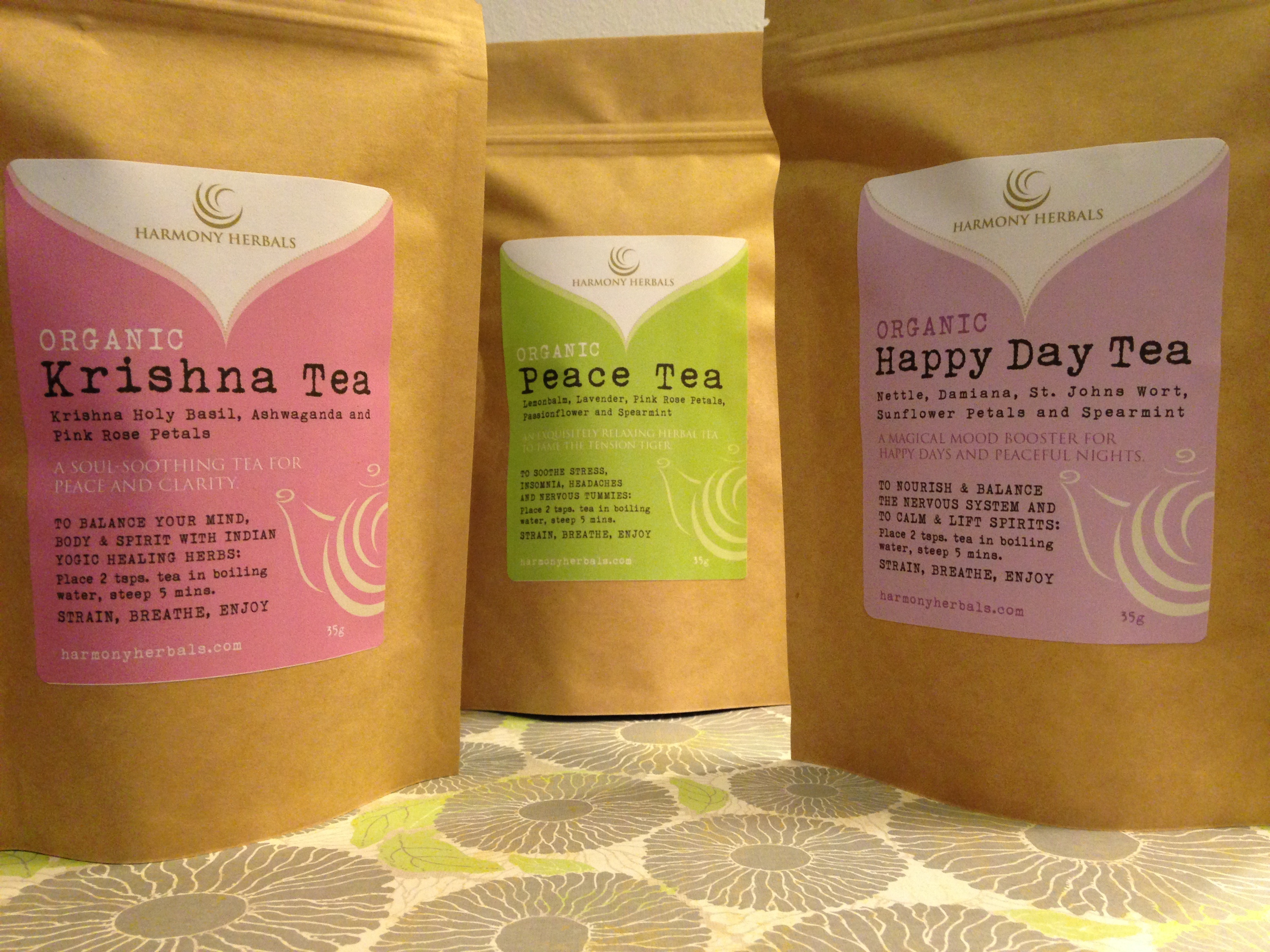
Eco friendly tea packaging often uses biodegradable materials like kraft paper, cornstarch, and recycled cardboard. These materials reduce waste and environmental impact. They are compostable and renewable, making them a sustainable choice for tea brands and consumers.
How Does Eco Friendly Packaging Benefit The Environment?
Eco friendly packaging reduces plastic waste and lowers carbon footprint. It supports recycling and composting, conserving natural resources. This packaging minimizes pollution and promotes sustainability, helping to protect ecosystems and reduce landfill overflow.
Are Eco Friendly Tea Packages Biodegradable?
Yes, many eco friendly tea packages are biodegradable. They break down naturally without harming the environment. Biodegradable packaging helps reduce landfill waste and supports circular economy principles by returning nutrients to the soil.
Can Eco Friendly Packaging Preserve Tea Freshness?
Eco friendly packaging can preserve tea freshness using natural barriers. Materials like kraft paper and plant-based films protect against moisture and air. This keeps tea flavorful while maintaining sustainable packaging standards.
Conclusion
Choosing eco friendly tea packaging helps protect our planet every day. It reduces waste and saves resources. Tea lovers enjoy fresh flavors while caring for nature. Small changes in packaging can make a big difference. Supporting brands that use green materials encourages others to follow.
Together, we create a healthier world for future generations. Simple steps lead to lasting impact. Choose wisely, sip happily, and help the Earth.