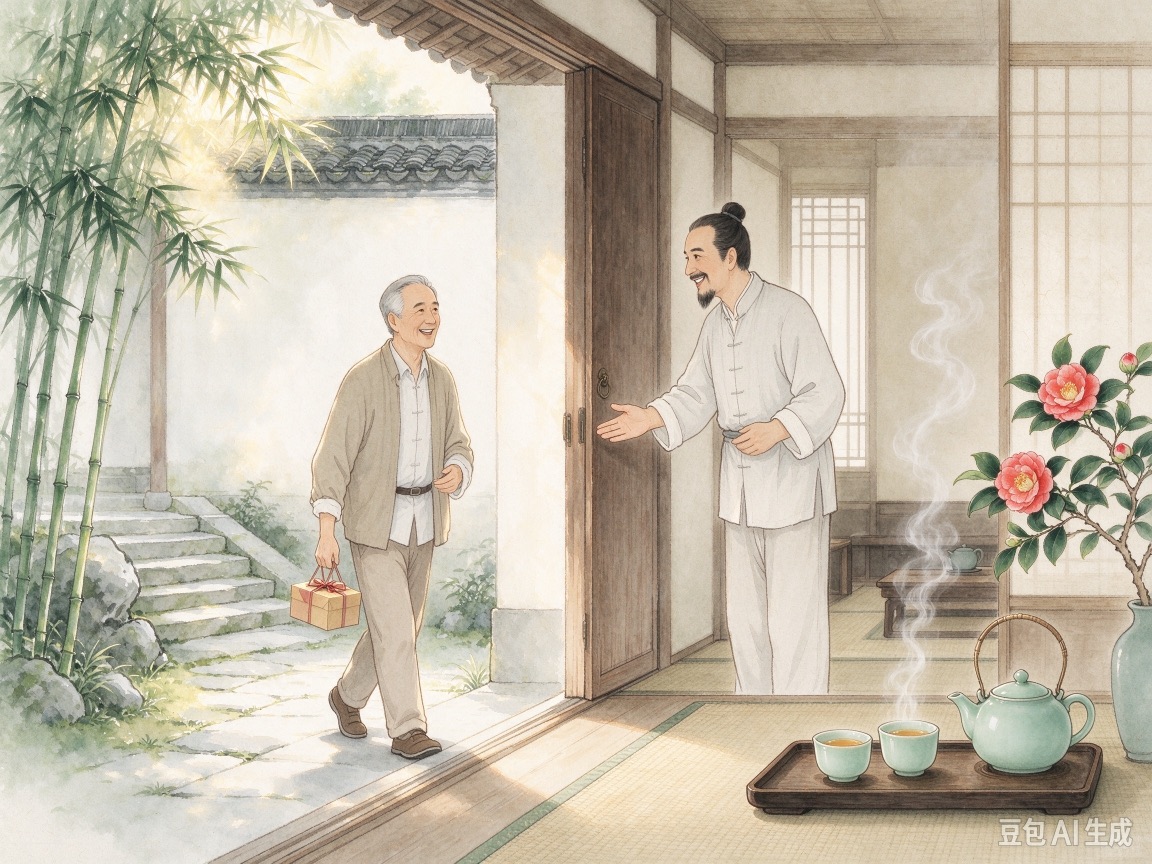

Imagine sipping a cup of tea that carries the fresh taste of the garden where it was grown. Farm to Cup Tea brings you just that – pure, natural flavor straight from the farm to your mug.
If you care about quality, freshness, and knowing exactly where your tea comes from, this approach changes everything. Keep reading, and you’ll discover how Farm to Cup Tea can transform your daily ritual into a rich, honest experience you’ll look forward to every time.
Farm To Cup Journey
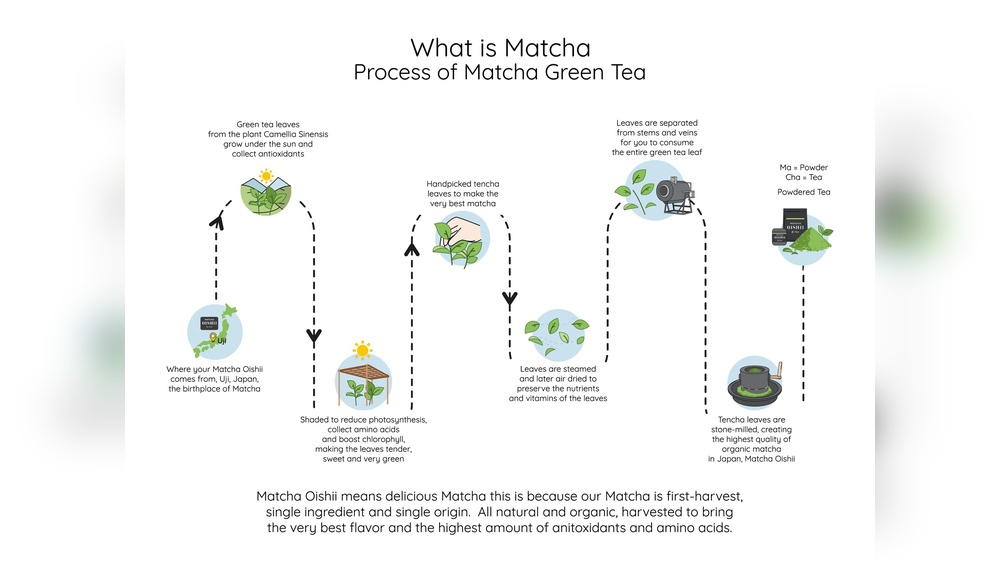
The journey of tea from the farm to your cup is a careful process. It starts with growing the right tea leaves. Each step matters to keep the tea fresh and full of flavor. Understanding this journey helps you appreciate the tea you enjoy every day.
Farmers use special methods to grow healthy tea plants. They watch the weather and soil closely. The right care makes the best tea leaves ready for picking.
Tea Leaf Cultivation
Tea plants grow best in cool, misty climates. Farmers select good seeds or cuttings to start new plants. They plant tea bushes with space for air and sunlight. Regular watering and pruning help the plants stay strong. Natural fertilizers enrich the soil. This grows fresh and healthy tea leaves.
Harvesting Techniques
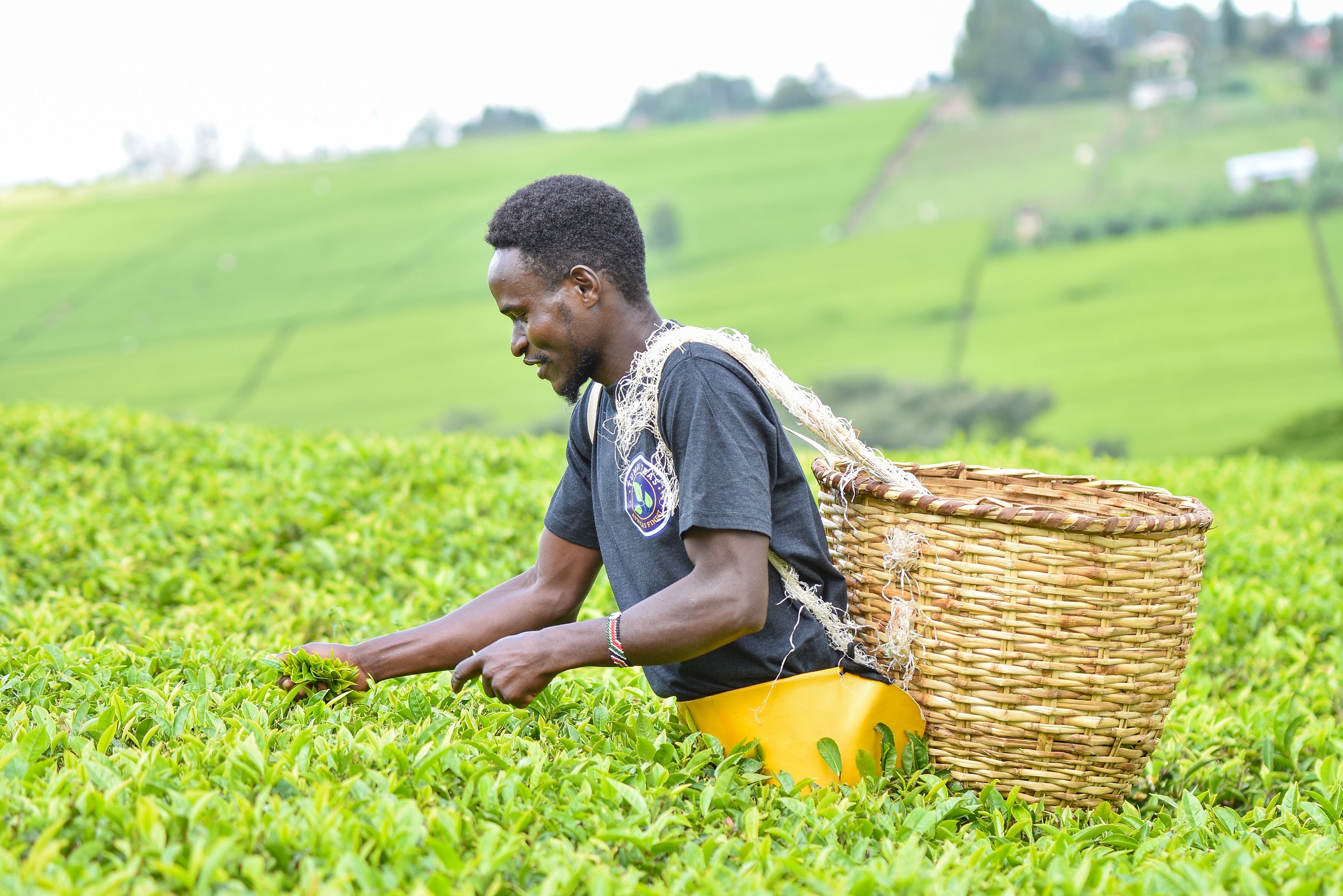
Picking tea leaves is a skilled task. Only the top two leaves and a bud are picked. This part of the plant has the best flavor. Pickers use their hands to avoid damage. Harvesting often happens early in the morning. This keeps the leaves fresh and full of aroma.
Processing Methods
After picking, leaves go to the factory quickly. They are sorted and cleaned. Then, leaves are rolled to release natural juices. Next, leaves dry to stop oxidation. This step gives tea its color and taste. Different methods create green, black, or oolong tea. Proper processing keeps tea fresh and tasty.
Ensuring Freshness
Freshness is key to enjoying the true taste of farm to cup tea. It keeps the natural flavors and aromas alive. Every step, from harvesting to brewing, affects freshness. Farmers and producers focus on methods to keep tea fresh for longer.
Proper handling preserves the delicate leaves. The goal is to deliver tea that tastes just like it did on the farm. Fresh tea offers a richer experience and better health benefits.
Timely Packaging
Packaging tea soon after harvesting locks in freshness. It stops exposure to air and moisture. Tea leaves stay protected from light and heat. Using airtight and sealed containers is common. Quick packaging reduces the chance of flavor loss. This step is crucial to keep tea fresh for weeks or months.
Storage Conditions
Tea must be stored in cool, dry places. Heat and humidity can spoil the leaves. Containers should block air and light completely. Avoid storing tea near strong odors. Tea absorbs smells easily, which changes its taste. Proper storage helps maintain the natural aroma and taste over time.
Transportation Impact
Transport conditions affect tea quality. Long trips in hot or wet conditions harm freshness. Careful handling and temperature control help. Using insulated packaging protects tea during transit. Faster shipping means fresher tea arrives. Good transport practices keep tea leaves intact and flavorful.
Flavor Profiles
Farm to cup tea offers flavors that tell a story. These flavors come from the soil, the plant, and the hands that craft the tea. Each cup delivers a unique taste experience. Understanding the flavor profiles helps you appreciate the tea deeply.
Influence Of Terroir
Terroir means the natural environment where tea grows. It includes soil, climate, and altitude. These factors shape the tea’s taste. For example, tea from high mountains often tastes fresh and floral. Tea from warmer areas can have a richer, earthier flavor. Terroir gives each tea its unique identity.
Varietal Differences
Tea plants come in many types or varietals. Each varietal has its own flavor traits. Some produce sweet, fruity notes. Others have a strong, bold taste. Varietals change how tea feels in your mouth. Knowing the varietal helps you pick the flavor you like best.
Crafting Unique Blends
Blending mixes different teas to create new flavors. It can balance strong or mild tastes. Some blends add herbs or spices for extra flavor. Skilled blenders use knowledge of flavor profiles to craft special teas. Blends offer variety and surprise in every cup.

Sustainability Practices
Sustainability practices in farm to cup tea ensure the environment and people benefit. These methods protect nature and promote fairness. They create a better future for tea growers and consumers alike.
Eco-friendly Farming
Eco-friendly farming uses natural ways to grow tea. It avoids harmful chemicals and pesticides. This keeps the soil healthy and water clean. Plants grow strong and taste better. Wildlife and insects can live safely near the farms.
Fair Trade Benefits
Fair trade helps farmers earn fair pay for their work. It ensures safe working conditions and fair hours. Farmers get support to improve their farms. This leads to better quality tea and stronger communities.
Supporting Local Communities
Buying farm to cup tea supports local families and businesses. It creates jobs and improves schools and health care. Communities become stronger and more self-sufficient. This helps keep traditions alive and grows local economies.
Brewing Techniques
Brewing farm to cup tea is a simple art. The right method brings out fresh and pure flavors. Using careful techniques makes every cup enjoyable. Small changes in brewing can change the taste a lot.
Below are key steps to brew tea perfectly from your farm to cup.
Optimal Water Temperature
Water temperature is very important for tea flavor. Too hot water burns the leaves and makes tea bitter. Too cold water does not release enough flavor. Green and white teas taste best at 160°F to 185°F. Black and herbal teas need 200°F to 212°F. Use a thermometer or electric kettle for best results.
Steeping Times
Steeping time controls tea strength and taste. Short steeping makes light, smooth tea. Long steeping can cause bitterness and roughness. Green tea usually needs 2 to 3 minutes. Black tea takes 3 to 5 minutes. Herbal teas may steep longer, up to 7 minutes. Watch the time closely for the best cup.
Enhancing Flavor Naturally
Natural flavor comes from fresh leaves and clean water. Try adding fresh herbs like mint or lemon zest. Avoid sugar or artificial flavorings to keep tea pure. Some people enjoy a small piece of ginger or a drop of honey. These add gentle taste without covering tea’s natural aroma.

Frequently Asked Questions
What Does “farm To Cup Tea” Mean?
Farm to Cup Tea refers to tea sourced directly from farms. It emphasizes freshness, quality, and transparency in the tea supply chain.
How Does Farm To Cup Improve Tea Quality?
Farm to Cup ensures minimal processing and quick delivery. This preserves the tea’s natural flavors and health benefits.
Why Choose Farm To Cup Tea Over Regular Tea?
Farm to Cup Tea offers traceability and supports sustainable farming. It guarantees authentic, fresh, and ethically sourced tea.
What Are The Benefits Of Farm To Cup Tea?
Benefits include fresher taste, higher nutritional value, and support for local farmers. It promotes eco-friendly and fair trade practices.
Conclusion
Farm to Cup Tea shows the journey of tea leaves clearly. You learn how fresh tea reaches your cup. Knowing this helps you appreciate each sip more. Choosing tea this way supports farmers and quality. It brings a better taste and healthy benefits.
Next time you drink tea, think about its path. Enjoy the simple pleasure from farm to cup.