
If you’re looking for a tea experience that’s truly special, Gyokuro Green Tea might be exactly what you need. This tea offers a rich, smooth flavor that’s unlike any other green tea you’ve tried.
Imagine sipping a cup that feels both refreshing and calming, giving you a moment of pure relaxation in your busy day. By the time you finish this article, you’ll understand why Gyokuro is called the “jewel of green teas” and how it can transform your tea-drinking routine.
Ready to discover the secrets behind this exceptional tea? Keep reading—you won’t want to miss it.
What Makes Gyokuro Unique
Gyokuro green tea stands apart from other teas because of its special growing and processing methods. These methods affect its flavor, aroma, and appearance. Understanding what makes Gyokuro unique helps you appreciate this tea more deeply.
Shade-grown Cultivation
Gyokuro tea plants are grown under shade for about three weeks before harvest. This shading limits sunlight, which changes the leaf chemistry. It increases the tea’s sweetness and reduces bitterness. The process also boosts amino acids, giving Gyokuro its rich, umami taste.
Harvesting Techniques
Harvesting Gyokuro requires careful timing and skill. Only the youngest leaves are picked by hand. This ensures high quality and delicate flavor. After picking, leaves are quickly steamed to stop oxidation. This preserves the tea’s fresh green color and aroma.
Distinct Leaf Appearance
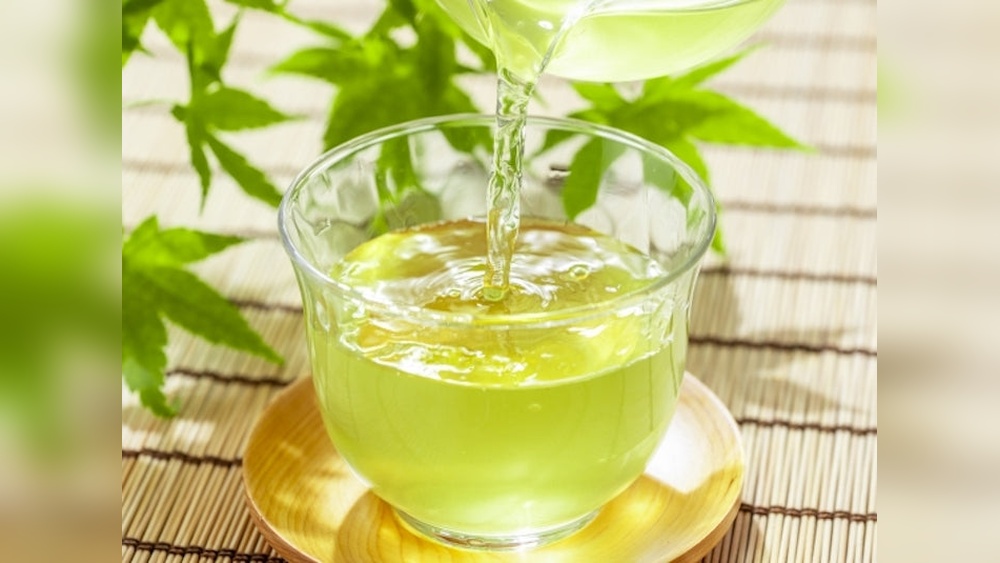
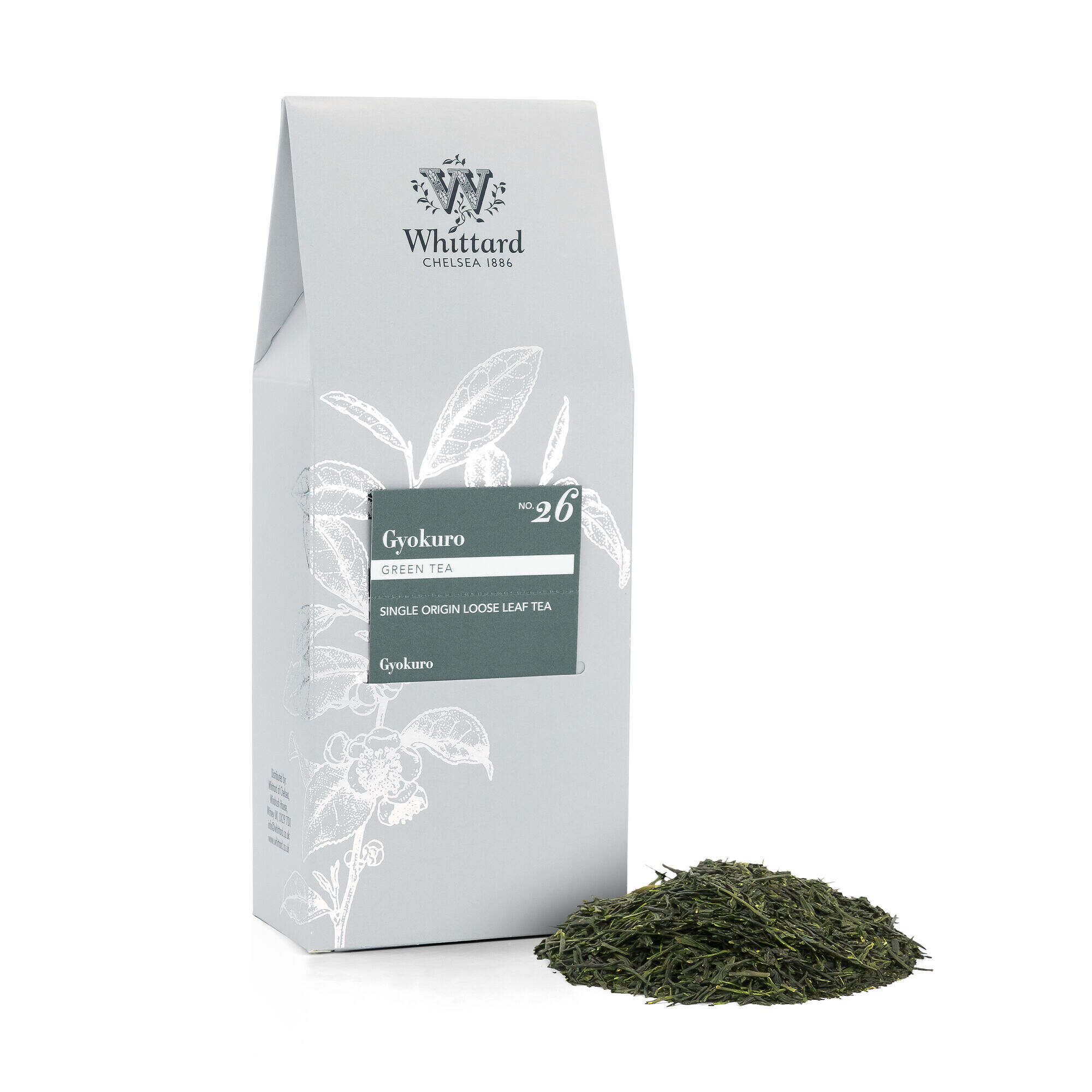
Gyokuro leaves have a dark green, glossy look. They are thin and needle-like. This appearance shows the tea’s careful cultivation and processing. When brewed, the leaves produce a clear, bright green tea that tastes smooth and sweet.
Flavor Profile Of Gyokuro
Gyokuro green tea offers a unique flavor that stands out among other teas. Its taste is rich and delicate, with a smooth texture that tea lovers appreciate. Understanding its flavor profile helps you enjoy every sip fully. The flavor is shaped by careful shading of tea leaves before harvest. This process increases chlorophyll and amino acids, especially the one called theanine. These changes create a tea that is fresh, sweet, and full-bodied.
Umami Characteristics
Gyokuro has a strong umami taste, often described as savory and broth-like. This flavor is rare in most teas and comes from high levels of theanine and glutamic acid. The umami gives Gyokuro a deep, rich flavor that feels smooth and creamy on the palate. It feels satisfying and leaves a lasting impression.
Sweetness And Bitterness Balance
The sweetness in Gyokuro is natural and mild. It balances perfectly with a slight bitterness. This bitterness is gentle and not harsh or sharp. The balance makes Gyokuro enjoyable without overwhelming the senses. Each sip feels smooth and well-rounded. It is one reason why many drinkers find Gyokuro refreshing and pleasant.
Aroma Notes
The aroma of Gyokuro is fresh and grassy with hints of seaweed. It smells clean and calming, inviting you to relax. Some also detect subtle floral or nutty notes. The scent enhances the overall drinking experience. It prepares your senses for the rich and complex flavors to come.
Brewing The Perfect Cup
Brewing the perfect cup of Gyokuro green tea requires care and attention. This delicate tea has a sweet, rich flavor that can easily change with brewing. Follow simple steps to enjoy its full taste and aroma.
Water Temperature Guidelines
Use water between 120°F and 140°F (49°C to 60°C). Water that is too hot will make the tea bitter. Cool the boiling water for a few minutes before pouring. This temperature keeps the tea smooth and sweet.
Steeping Time Recommendations
Steep Gyokuro tea for 1.5 to 3 minutes. Shorter steeping time gives a light flavor. Longer steeping makes the flavor stronger but can cause bitterness. Try different times to find your favorite taste.
Proper Tea-to-water Ratio
Use about 1 gram of tea leaves per 30 ml of water. This ratio keeps the tea balanced and flavorful. Adjust slightly for stronger or lighter tea. Measure leaves carefully for the best cup.

Health Benefits Of Gyokuro
Gyokuro green tea is a special type of Japanese tea. It offers many health benefits that make it popular worldwide. This tea is carefully grown in shade, which helps it keep more nutrients. Drinking Gyokuro regularly can support your overall well-being and vitality.
Rich Antioxidant Content
Gyokuro tea is full of antioxidants. These natural compounds help protect your cells from damage. Antioxidants fight harmful molecules called free radicals. This can reduce the risk of many illnesses. Drinking Gyokuro can keep your body healthier and younger inside.
Boosting Mental Alertness
Gyokuro contains caffeine but in a gentle way. It helps increase focus and alertness without making you jittery. The tea also has an amino acid called L-theanine. This helps calm your mind and improve concentration. Gyokuro is perfect for staying sharp during work or study.
Supporting Heart Health
Regular Gyokuro tea drinking supports a healthy heart. It can help lower bad cholesterol levels. This tea also improves blood flow and reduces blood pressure. These effects reduce the chance of heart problems. Gyokuro contributes to a strong and healthy cardiovascular system.
Comparing Gyokuro To Other Green Teas
Gyokuro is a special type of green tea from Japan. It differs from other green teas in taste, growing process, and nutrients. Comparing Gyokuro to other green teas helps understand its unique qualities. This section looks at how Gyokuro compares to Sencha and Matcha, two popular green teas. It also explores flavor and nutrient differences.
Differences From Sencha
Sencha is the most common green tea in Japan. It grows under full sunlight. Gyokuro grows in shade for about three weeks before harvest. This shading boosts amino acids in Gyokuro leaves. Sencha has a fresh, grassy flavor. Gyokuro tastes sweet and rich. Sencha is quicker to brew. Gyokuro needs lower temperature and longer steep time.
How Gyokuro Stands Out From Matcha
Matcha is powdered green tea. It is made by grinding whole tea leaves. Gyokuro is brewed from whole leaves. Matcha offers a strong, creamy taste. Gyokuro has a delicate, smooth flavor. Drinking matcha means consuming whole leaves. Gyokuro drink has fewer leaf parts. Matcha is high in caffeine. Gyokuro caffeine content is moderate but smooth.
Flavor And Nutrient Variations
Gyokuro has high levels of the amino acid L-theanine. This creates a calm and sweet taste. Sencha has more catechins, which give bitterness and astringency. Matcha contains the highest antioxidants because of whole leaf use. Gyokuro balances sweetness and umami. Sencha is bright and refreshing. Matcha is bold and creamy. Nutrient content varies due to processing and growing methods.
Choosing And Storing Gyokuro
Choosing and storing Gyokuro green tea correctly preserves its delicate flavor and aroma. This tea is rare and expensive, so care is important. Proper selection and storage keep the tea fresh and tasty for a longer time. This section explains how to pick quality Gyokuro leaves and store them properly.
Selecting Quality Leaves
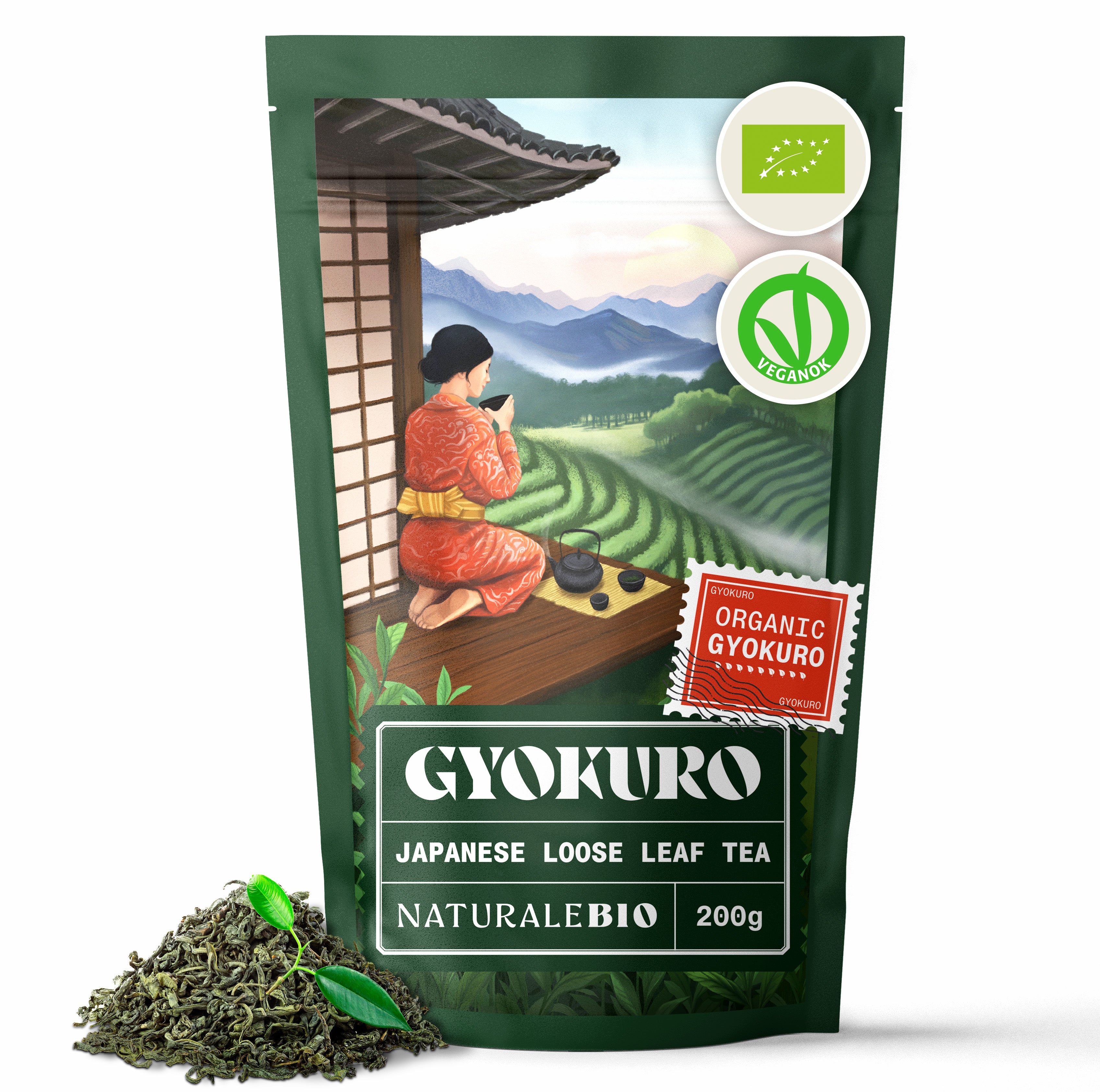
Look for vibrant green leaves with a glossy surface. High-quality Gyokuro leaves are thin and tender. Avoid leaves that appear dull or yellowed. Freshness matters most. Check the packaging date to ensure recent harvest. Choose leaves from trusted brands or sellers. Good Gyokuro has a sweet, grassy aroma. A strong smell may mean poor quality or old tea.
Proper Storage Tips
Store Gyokuro tea in a cool, dark place. Heat and light damage its flavor quickly. Use airtight containers to block moisture and air. Avoid storing near spices or strong smells. These can affect the tea’s taste. Keep the tea away from humidity. Refrigeration works well if sealed tightly. Remove tea from fridge before opening container. Let it reach room temperature to avoid condensation.
Shelf Life Considerations
Gyokuro tea has a shorter shelf life than other green teas. Best consumed within six months of purchase. Over time, its taste will weaken. Proper storage can extend freshness by a few months. Avoid buying large amounts if you drink little. Always check the expiration or best-before date. Fresh Gyokuro offers the best health benefits and flavor.
Cultural Significance Of Gyokuro
Gyokuro is not just a type of green tea. It holds a special place in Japanese culture. This tea connects people to tradition and mindfulness. Its unique taste and careful preparation reflect deep respect for nature and art.
Understanding Gyokuro helps us appreciate Japan’s rich tea heritage. The tea is more than a drink; it is a symbol of harmony and calm.
Role In Japanese Tea Ceremony
Gyokuro plays a key role in the Japanese tea ceremony. This ceremony is a peaceful ritual that focuses on grace and respect. Gyokuro’s delicate flavor fits perfectly with the calm mood. It is served with care, highlighting the art of tea making. Each step honors tradition and brings a sense of peace.
Historical Background
Gyokuro dates back to the 19th century. It was created by shading tea leaves before harvest. This method gives the tea its sweet and rich flavor. The tea was once enjoyed only by nobles and samurai. Over time, it became popular among all people. Its history shows the value placed on quality and patience in Japanese culture.
Modern Popularity Trends
Today, Gyokuro is loved worldwide. Many people seek it for its smooth taste and health benefits. Tea shops in Japan and abroad offer Gyokuro with pride. Young and old enjoy this tea as part of daily life or special moments. The tea’s popularity shows a growing interest in Japanese traditions and wellness.
Frequently Asked Questions
What Is Gyokuro Green Tea?
Gyokuro is a premium Japanese green tea known for its rich, sweet flavor. It is shade-grown for about three weeks before harvest, enhancing its amino acids and umami taste.
How Is Gyokuro Different From Other Green Teas?
Gyokuro is shaded, which increases chlorophyll and reduces bitterness. This process creates a unique sweet and umami flavor, setting it apart from other green teas like Sencha.
What Are The Health Benefits Of Gyokuro Tea?
Gyokuro contains antioxidants, vitamins, and amino acids that support immune health. It improves metabolism, reduces stress, and promotes mental clarity due to its high L-theanine content.
How Do You Brew Gyokuro Tea Properly?
Brew Gyokuro at 50-60°C (122-140°F) for 2-3 minutes. Use less tea leaves than usual to avoid bitterness and enhance its delicate flavor.
Conclusion
Gyokuro green tea offers a unique and delicate flavor. It is a great choice for those who enjoy mild, sweet tea. Drinking Gyokuro can bring calm and focus during the day. Its rich aroma and smooth taste make it special.
Try it slowly, and savor each sip. This tea shows the beauty of careful growing and steeping. Enjoy Gyokuro as a peaceful break in your busy life. It’s more than a drink—it’s a small moment of joy.