
Have you ever wondered what makes a perfect cup of tea truly special? It all starts with handpicked tea leaves.
When tea leaves are carefully selected by skilled hands, every sip becomes richer, fresher, and more flavorful. You deserve to experience tea the way it was meant to be—pure, natural, and full of character. Keep reading to discover how handpicked tea leaves can transform your tea-drinking moments and why choosing them makes all the difference for your taste and well-being.
Why Handpicked Matters
Handpicking tea leaves is a careful and slow process. It takes time and skill. Not all tea leaves are picked. Only the best leaves make the cut. This care affects the tea’s taste and quality.
Picking leaves by hand allows workers to choose tender, young leaves. These leaves have more flavor and aroma. Machines cannot tell the difference. Handpicking ensures the best parts of the tea plant are selected.
Selective Harvesting Benefits
Workers pick only the top two leaves and a bud. These parts have the highest nutrients. They are softer and fresher than older leaves. This method keeps the tea plant healthy for future harvests. It also reduces waste because only good leaves are gathered.
Impact On Tea Quality
Handpicked tea leaves create a smoother, richer taste. The tea has a better aroma and color. The leaves stay intact, which helps in brewing. Machine-picked leaves may be torn or bruised. This can cause bitterness in the tea. Handpicking keeps the tea pure and fresh.
The Art Of Picking Tea Leaves
Picking tea leaves is a delicate process. It shapes the taste and quality of the tea. Each leaf holds unique flavors and aromas. Skilled workers select only the best leaves. This care creates a better cup of tea.
Tea leaf picking blends tradition with precision. The right leaf at the right time matters most. This art requires patience and knowledge passed down through generations.
Traditional Techniques
Handpicking tea leaves is a traditional skill. Pickers choose tender buds and young leaves. They use gentle hands to avoid damage. This method preserves the leaf’s natural oils and flavor.
Many tea gardens still use this approach. Workers walk through fields picking leaves carefully. This slow and steady process ensures high quality tea. It also supports small farming communities and preserves culture.
Modern Innovations
Technology aids tea leaf picking today. Machines help in large plantations to speed up harvest. These tools collect leaves quickly but need skill to avoid poor quality.
New methods combine handpicking with machines. This mix improves efficiency without losing quality. Sensors and cameras now help identify the best leaves. Such innovations keep tea production sustainable and consistent.
Flavor Profiles Of Handpicked Tea
Handpicked tea leaves offer unique and rich flavor profiles. Each leaf is carefully selected to ensure the best taste. This careful process affects the tea’s aroma and flavor. Understanding these profiles helps tea lovers appreciate every cup more deeply.
Aromatic Nuances
Handpicked tea leaves carry delicate aromas. These scents vary from floral to earthy. Some teas have a fresh, grassy smell. Others might smell sweet or fruity. The aroma hints at the tea’s flavor before tasting. It creates an inviting experience for tea drinkers.
Taste Variations By Region
Tea flavor changes based on where the leaves grow. Different climates and soils give each tea a unique taste. For example, teas from high mountains taste fresh and light. Those from low lands often have stronger, richer flavors. Regional differences make tea tasting exciting and diverse.
Health Advantages Of Pure Tea Leaves
Pure tea leaves offer many health benefits that few other drinks can match. Handpicked with care, these leaves keep their natural qualities intact. Drinking tea made from pure leaves supports overall well-being. The natural compounds in tea help the body fight illness and stay strong.
Nutrient Preservation
Handpicked tea leaves retain more nutrients. Careful plucking avoids damage to the leaves. This keeps essential vitamins and minerals safe. These nutrients support energy, digestion, and immune health. Less processing means the tea stays rich in natural goodness.
Antioxidant Levels
Pure tea leaves contain high antioxidants. Antioxidants protect cells from damage caused by free radicals. They help slow aging and reduce disease risk. Fresh leaves have more antioxidants than processed ones. Drinking this tea boosts the body’s defense system naturally.
Choosing The Right Handpicked Tea
Choosing the right handpicked tea starts with understanding what makes leaves special. Handpicked tea leaves hold unique flavors and aromas. Each leaf is carefully selected to ensure quality and freshness. This care affects the tea’s taste and health benefits. Choosing well-picked tea means a better drinking experience.
Identifying Quality Leaves
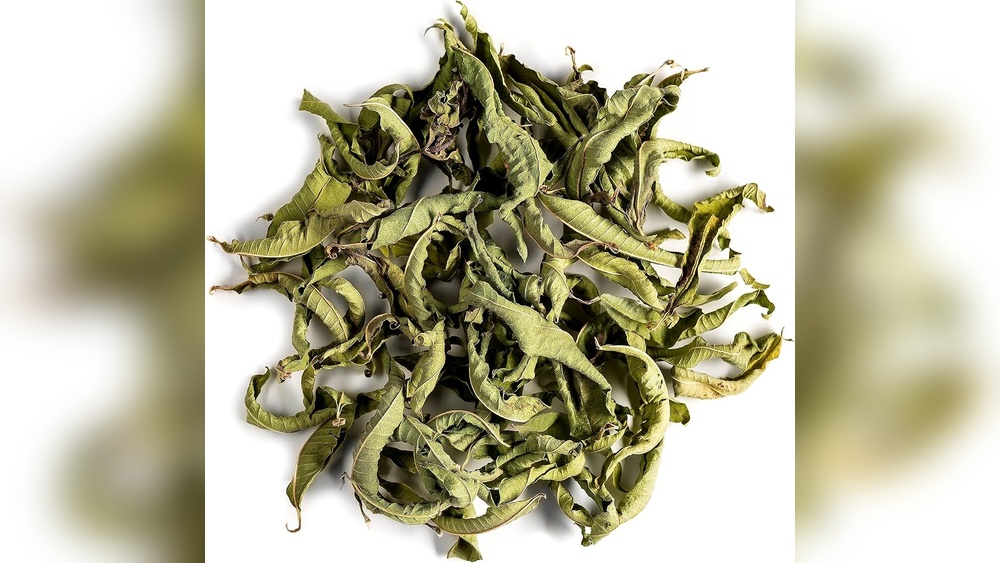
Look for young, tender leaves. Bright green color shows freshness. Avoid brown or dry leaves, they lose flavor. Leaves should be whole, not broken. Small buds and tips often mean higher quality. A fresh smell is a good sign. Quality leaves brew a clear, rich tea.
Popular Varieties To Try
Darjeeling offers a light, floral flavor. Assam teas are strong and malty. Green teas like Sencha are fresh and grassy. Oolong teas balance taste between green and black. White teas are delicate and sweet. Each variety has its own charm. Try different types to find your favorite.

Brewing Techniques For Maximum Flavor
Brewing handpicked tea leaves correctly brings out the best flavor. Small changes in your method can make a big difference. The key is to control water temperature and steeping time. These two factors affect the taste, aroma, and strength of your tea. Follow these tips to enjoy a perfect cup every time.
Water Temperature Tips
Use water that matches your tea type. Green tea needs cooler water, about 160°F to 180°F. Black tea and herbal blends work best with boiling water, around 212°F. Avoid water that is too hot for delicate leaves. Too much heat can burn the tea and cause bitterness. Let boiling water cool a bit before pouring for green or white teas.
Steeping Times
Steeping time changes the tea’s flavor and strength. Shorter steeping brings a light, mild taste. Longer steeping creates a stronger, sometimes bitter brew. Green tea usually steeps for 1 to 3 minutes. Black tea needs 3 to 5 minutes. Herbal teas may require 5 to 7 minutes. Use a timer to keep track and avoid over-steeping.
Sustainability In Handpicking
Sustainability in handpicking tea leaves plays a vital role in preserving nature and supporting communities. Handpicking uses careful methods that protect tea plants and the land. It avoids harm to the environment and helps keep tea farms healthy for years. This careful approach also benefits the people who grow and harvest the tea leaves.
Environmental Impact
Handpicking tea leaves reduces the use of machines that can damage soil and plants. It helps keep the soil rich and stops erosion. Fewer chemicals are needed because handpicking is gentle on the plants. This method supports natural growth and protects local wildlife. Clean air and water stay safe around tea gardens because there is less pollution.
Supporting Local Farmers
Handpicking tea leaves creates jobs for local farmers. It uses skills passed down through generations. Farmers earn fair wages by working carefully on each leaf. This practice strengthens rural communities and preserves traditional ways of farming. It gives farmers pride in growing quality tea that people enjoy worldwide.

Frequently Asked Questions
What Makes Handpicked Tea Leaves Special?
Handpicked tea leaves ensure only the best quality leaves are selected. This process enhances flavor and aroma, offering a fresher, purer tea experience.
How Does Handpicking Affect Tea Flavor?
Handpicking minimizes damage to leaves, preserving natural oils. This results in a richer, more nuanced taste compared to machine-harvested tea.
Are Handpicked Tea Leaves Healthier?
Yes, handpicked leaves are fresher and less processed. They retain more antioxidants and nutrients, contributing to better health benefits.
Which Teas Are Commonly Handpicked?
Premium teas like Darjeeling, Assam, and Oolong are usually handpicked. These teas require careful selection for optimal flavor and quality.
Conclusion
Handpicked tea leaves offer a pure and fresh taste. Each leaf is chosen with care for quality. This careful selection makes tea more flavorful and healthy. Enjoying handpicked tea can feel like a special moment. It connects you to nature and tradition.
Choosing such tea shows respect for the craft. Small details make a big difference in every cup. Try handpicked tea to taste the real difference. Simple, natural, and full of life—just like tea should be.