
Are you ready to discover the true taste of tea? High quality Chinese tea offers more than just a drink—it brings a moment of calm, a boost of energy, and a rich history in every cup.
Whether you’re new to tea or a seasoned lover, understanding what makes Chinese tea special can change the way you enjoy it forever. Keep reading to unlock the secrets behind these exquisite leaves and find out how you can bring this unique experience into your daily life.
Your perfect cup is waiting.
Types Of Chinese Tea
Chinese tea has many types. Each type has its own taste and story. Tea lovers enjoy exploring these varieties. This section covers the main types of Chinese tea. Learn what makes each one special.
Green Tea Varieties
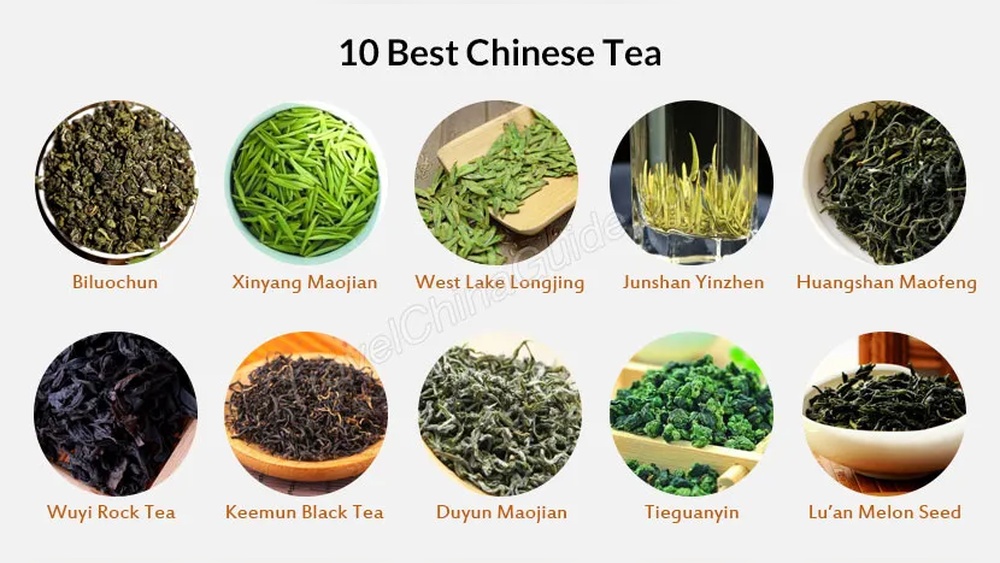
Green tea is fresh and light. It is not fermented. Famous types include Longjing and Biluochun. They have grassy and sweet flavors. Green tea is rich in antioxidants. It is often enjoyed hot or cold.
Oolong Tea Selection
Oolong tea is partly fermented. It sits between green and black tea. Popular varieties are Tieguanyin and Da Hong Pao. Oolong has a floral and fruity taste. It can be strong or mild.
Black Tea Options
Chinese black tea is fully fermented. It has a dark color and rich taste. Keemun and Dianhong are well-known types. Black tea is smooth with a hint of sweetness. It is often served with milk.
White Tea Delights
White tea is the least processed. It has a delicate and light flavor. Silver Needle and White Peony are popular choices. White tea is gentle and soothing. Many drink it for relaxation.
Pu-erh Tea Characteristics
Pu-erh tea is unique and aged. It is fermented and stored for years. It has an earthy and deep flavor. Pu-erh can improve with time, like wine. It is prized for its health benefits.
Authentic Flavor Profiles
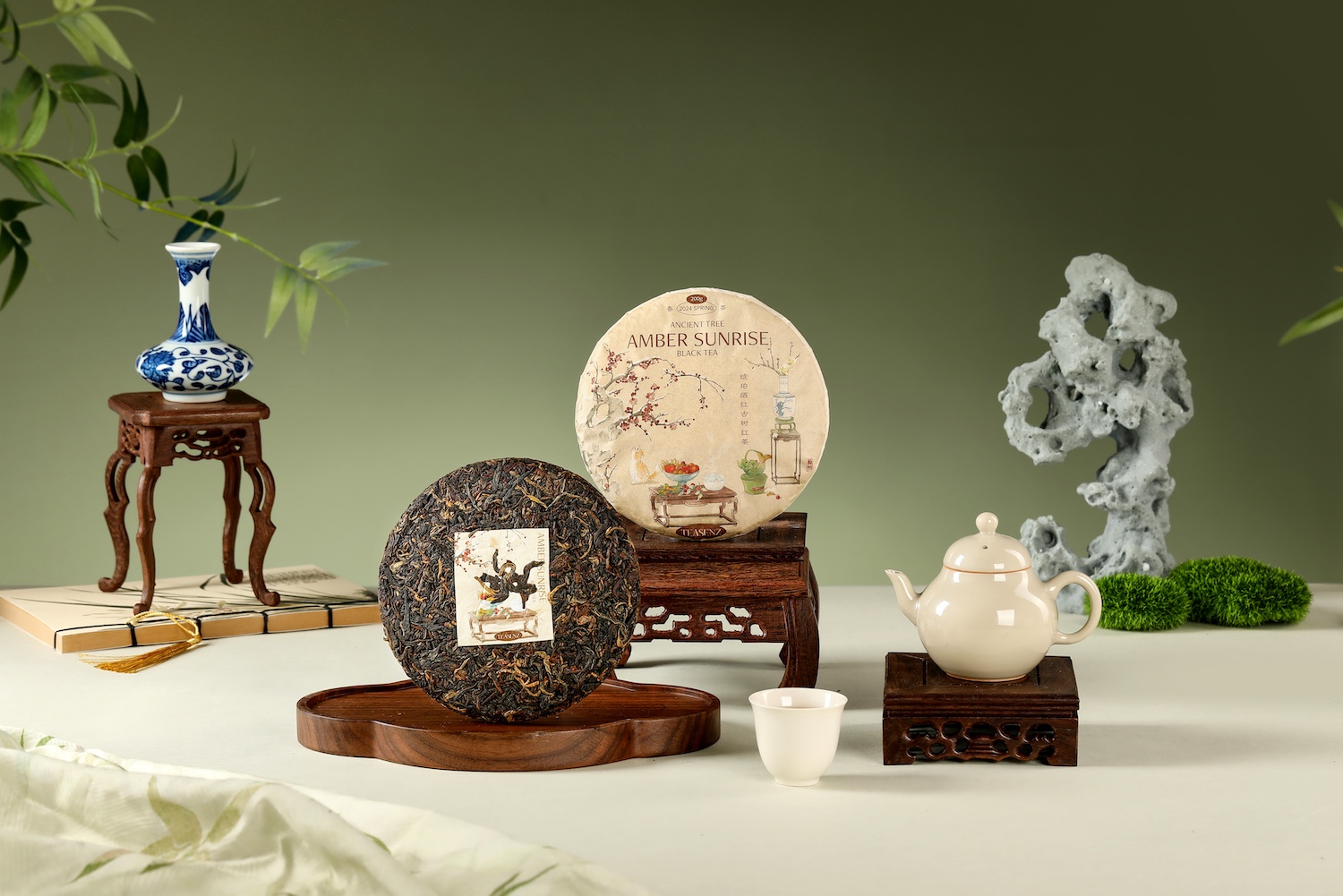
High quality Chinese tea offers authentic flavor profiles that tell a story. Each sip reveals a rich history and unique taste shaped by nature and craft. These flavors come from the tea’s region, the way it is processed, and its natural aromas. Understanding these elements helps you enjoy tea more deeply.
Regional Flavor Differences
China’s vast landscape creates many tea flavors. Mountains, soil, and climate all affect the tea leaves. For example, teas from Yunnan have earthy and bold tastes. Zhejiang teas often taste fresh and light. Each region gives tea its own character. This variety makes Chinese tea exciting to explore.
Traditional Processing Methods
Traditional methods shape the tea’s final taste. Hand-picking ensures only the best leaves are used. Withering, rolling, and drying steps bring out different flavors. Some teas are lightly oxidized, while others are fully fermented. These processes create the tea’s aroma and strength. Skilled artisans keep these methods alive.
Tasting Notes And Aromas
Chinese teas offer a wide range of tasting notes. You might find floral, fruity, or nutty hints. Some teas have a sweet aftertaste or a smoky aroma. Freshness and quality affect the tea’s scent and flavor. Learning to notice these details makes tea tasting more enjoyable. Each cup is a new experience.
Health Benefits Of Chinese Tea
Chinese tea has been enjoyed for thousands of years. It offers more than just a rich taste. Drinking high-quality Chinese tea brings many health benefits. These benefits help the body and mind stay strong and healthy.
Antioxidant Properties
Chinese tea is rich in antioxidants. These natural compounds fight harmful molecules called free radicals. Free radicals can damage cells and cause aging. Antioxidants in tea help protect the body from this damage. They support overall health and slow down aging.
Boosting Metabolism
Drinking Chinese tea can help increase metabolism. A faster metabolism burns calories more quickly. This can support weight management and energy levels. Some types of Chinese tea, like green tea, are especially good at this. They help the body use energy more efficiently.
Improving Mental Focus
Chinese tea contains caffeine and amino acids. These help improve concentration and alertness. Drinking tea can make the mind sharper and reduce tiredness. It helps maintain focus during work or study. The effect is smooth and steady, not jittery.
Supporting Heart Health
Regular tea drinking supports heart health. Chinese tea can lower bad cholesterol and improve blood flow. This reduces the risk of heart diseases. It also helps keep blood pressure in a healthy range. A healthy heart means better overall health and energy.
Enhancing Digestion
Chinese tea aids digestion after meals. It helps break down fats and reduces bloating. Some teas soothe the stomach and reduce discomfort. Drinking tea can improve nutrient absorption. This supports a healthy and balanced digestive system.
Selecting High Quality Tea
Selecting high quality Chinese tea is key to enjoying its rich flavors and health benefits. The right tea offers a fresh, aromatic, and smooth experience. Knowing how to spot quality can save money and avoid disappointment. This guide helps you choose tea that meets high standards.
Identifying Fresh Leaves
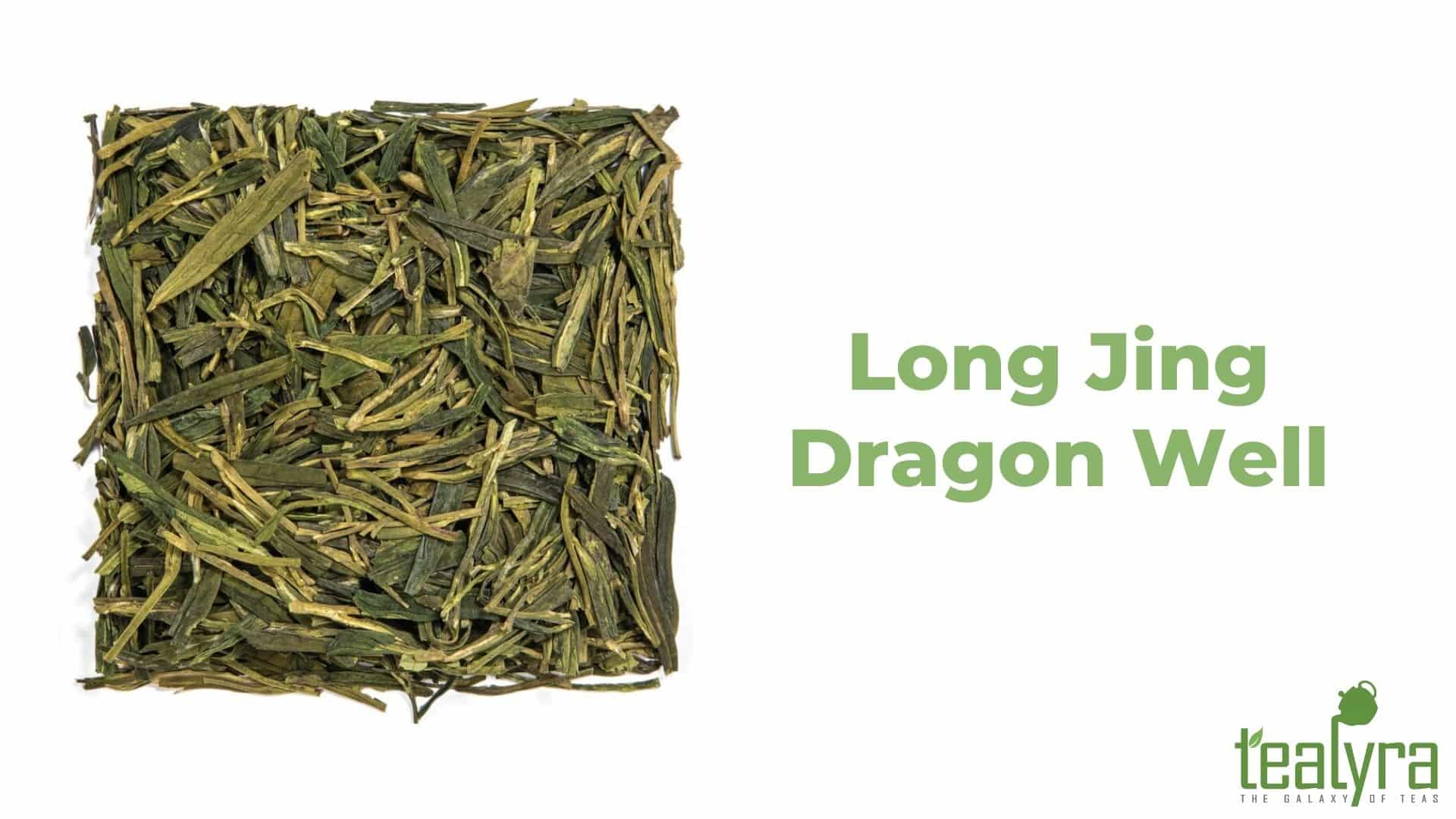
Fresh tea leaves look vibrant and bright. Avoid leaves that appear dull or broken. Good leaves have a strong aroma, even before brewing. They should feel dry but not crumbly. Freshness affects taste and health properties.
Packaging And Storage Tips
Tea packaging protects the leaves from air and moisture. Choose tea in sealed, airtight containers. Avoid packages with holes or tears. Store tea in a cool, dry place away from sunlight. Proper storage keeps tea fresh longer.
Recognizing Genuine Sources
Buy tea from trusted sellers or well-known brands. Genuine sources provide clear information about origin and harvest date. Look for certifications or quality seals. Authentic tea often comes with details about the farm or region. This ensures purity and quality.
Brewing The Perfect Cup
Brewing the perfect cup of high quality Chinese tea is an art. It brings out the best flavors and aromas. Simple steps make a big difference in taste. Precise temperature, steeping time, and teaware matter.
Water Temperature Guidelines
Use the right water temperature for each tea type. Green and white teas need cooler water, about 160-180°F (70-80°C). Black and oolong teas require hotter water, around 200-212°F (93-100°C). Too hot water burns delicate leaves. Too cold water weakens the flavor.
Steeping Times
Steeping time varies by tea type. Green tea steeps for 1-3 minutes. Black tea needs 3-5 minutes. Oolong tea is best at 3-4 minutes. Over-steeping causes bitterness. Under-steeping results in weak taste. Adjust steep time to your liking.
Using Traditional Teaware
Traditional teaware enhances the brewing process. Use a gaiwan or Yixing clay teapot for best results. These allow leaves to expand fully. Porcelain cups keep tea warm longer. Warm teaware before brewing. It helps maintain the right temperature.

Cultural Significance Of Tea In China
Tea holds a deep meaning in Chinese culture. It is more than just a drink. Tea represents history, art, and social life. For thousands of years, tea has shaped Chinese traditions and daily habits.
From ancient times, tea became a symbol of respect and harmony. It connects people across generations and regions. The ritual of tea reflects Chinese values and beliefs.
Tea Ceremonies And Traditions
Chinese tea ceremonies show respect and care. They follow specific steps to prepare and serve tea. Each action has a purpose and meaning.
These ceremonies focus on patience and mindfulness. They create a calm and peaceful atmosphere. Guests feel honored and relaxed.
Traditional tea sets and the right water temperature play key roles. The ceremony is a form of art and culture.
Tea In Daily Life
Tea is part of everyday life in China. People drink tea in the morning, afternoon, and evening. It helps refresh the mind and body.
Many homes keep a variety of teas for different moods and seasons. Tea is often served with meals and snacks.
Tea shops and street vendors are common. They offer a chance to enjoy tea quickly or slowly.
Tea And Social Connection
Tea brings people together in China. Sharing tea is a way to build trust and friendship. It breaks barriers and starts conversations.
Business meetings, family gatherings, and celebrations often include tea. It shows hospitality and respect.
Drinking tea together creates bonds and memories. Tea connects hearts and minds in a simple, warm way.
Frequently Asked Questions
What Defines High Quality Chinese Tea?
High quality Chinese tea has rich aroma, vibrant color, and smooth taste. It uses fresh leaves and traditional processing methods. Quality is often linked to origin, leaf grade, and craftsmanship.
How To Identify Authentic Chinese Tea?
Authentic Chinese tea shows natural leaf shape, consistent color, and fresh fragrance. It avoids artificial additives. Genuine tea often comes with origin information and trusted packaging.
Why Is Chinese Tea Beneficial For Health?
Chinese tea contains antioxidants, vitamins, and minerals. It aids digestion, boosts metabolism, and improves mental focus. Regular consumption supports overall wellness and hydration.
Which Are Popular Types Of Chinese Tea?
Popular types include green tea, oolong, pu-erh, white, and black tea. Each has unique flavor profiles and health benefits. They reflect diverse Chinese tea culture and traditions.
Conclusion
High quality Chinese tea offers rich flavors and health benefits. Each sip tells a story of tradition and care. Choose teas that suit your taste and mood. Enjoy the calming effect and natural aroma. Explore different types to find your favorite.
Drinking good tea can brighten any day. Simple moments become special with a warm cup. Embrace the experience and share it with friends. Quality tea brings joy and peace to life.