
Have you ever wondered how much it really costs to make a cup of coffee at home? You might be surprised to learn that the price goes beyond just the coffee beans.
Your daily brew involves several small expenses that add up over time. Understanding these costs can help you make smarter choices and even save money on your favorite drink. Keep reading to discover what goes into the true cost of your coffee and how you can get the best value with every cup.
Cost Breakdown Of Coffee Ingredients
Understanding the cost of making a cup of coffee starts with breaking down the ingredients. Each part adds a small cost that builds up. Knowing these helps you see where your money goes. This section explains the main costs you face when brewing coffee at home.
From beans to water and milk, every item has a price. These costs vary depending on quality and quantity. Let’s explore the key components that affect the total expense.
Beans And Their Price Variations
Coffee beans are the most important ingredient. Prices change based on type, origin, and roast. Basic beans might cost $0.10 per cup. Premium beans can go up to $0.50 or more. Freshness and grind size also affect flavor and price. Buying in bulk lowers the cost per cup. Specialty coffee beans add a richer taste but cost more.
Water And Electricity Expenses
Water is a low-cost item but essential. A cup uses about 6 ounces of water, costing less than one cent. Electricity powers your coffee maker or kettle. Brewing one cup uses about 0.05 kWh, costing a few cents. Energy-efficient machines reduce these costs. Small expenses add up over time but remain low per cup.
Milk, Sugar, And Add-ons
Milk and sugar add flavor and cost. A splash of milk costs around 5 to 10 cents. Sugar usually costs less than a cent per teaspoon. Specialty add-ons like syrups or spices increase the price. These extras vary by personal taste and quantity. Simple ingredients keep the cost low and the cup tasty.

Credit: www.fishriverroasters.com.au
Equipment Costs And Maintenance
Making coffee at home involves more than just buying beans. Equipment costs and upkeep play a big role in the total price. Investing in good machines and keeping them clean affects the taste and cost per cup. Understanding these expenses helps manage your coffee budget better.
Coffee Makers And Grinders
A coffee maker is the main tool for brewing coffee. Prices vary from $20 for basic models to over $300 for advanced machines. A grinder is needed for fresh ground coffee. Manual grinders cost less, around $20 to $50. Electric grinders can be $50 to $200. Both tools need to work well to make good coffee.
Filters And Accessories
Filters are small but important items. Paper filters cost about 5 to 10 cents each. Some machines use permanent filters, which save money over time. Accessories like measuring scoops, milk frothers, and storage containers add small costs. These help improve the coffee experience but add to the initial spending.
Cleaning And Repairs
Regular cleaning keeps coffee makers and grinders working well. Cleaning products cost around $5 to $15 per bottle. Descaling your coffee maker every few months avoids damage. Repairs can happen and might cost $20 to $100. Taking care of equipment extends its life and lowers long-term costs.
Home Brewing Vs. Buying Outside
Deciding between brewing coffee at home or buying it outside affects both cost and experience. Many people wonder which option offers better value. Brewing at home often lowers expenses but takes time. Buying outside gives quick access but can be pricier. Exploring these differences helps make smart choices about coffee.
Price Comparison With Coffee Shops
Making coffee at home costs about 20 to 50 cents per cup. This depends on beans, filters, and electricity use. Coffee shops charge between $2 and $5 per cup. Prices rise with specialty drinks or added flavors. Home brewing saves money if you drink coffee daily. Coffee shops add convenience but at a higher price.
Quality And Taste Factors
Home brewing lets you control coffee strength and freshness. You can choose beans and grind size easily. Coffee shops often use high-quality beans and skilled baristas. They offer consistent taste and new flavors. Taste varies by machine and skill at home. Some prefer shop coffee for variety and presentation.
Convenience And Time Considerations
Making coffee at home takes 5 to 10 minutes. You must clean equipment and measure ingredients. Buying outside saves time during busy mornings. Coffee shops offer drive-thru and quick service options. Waiting in line can add time. Convenience matters most for people with tight schedules.
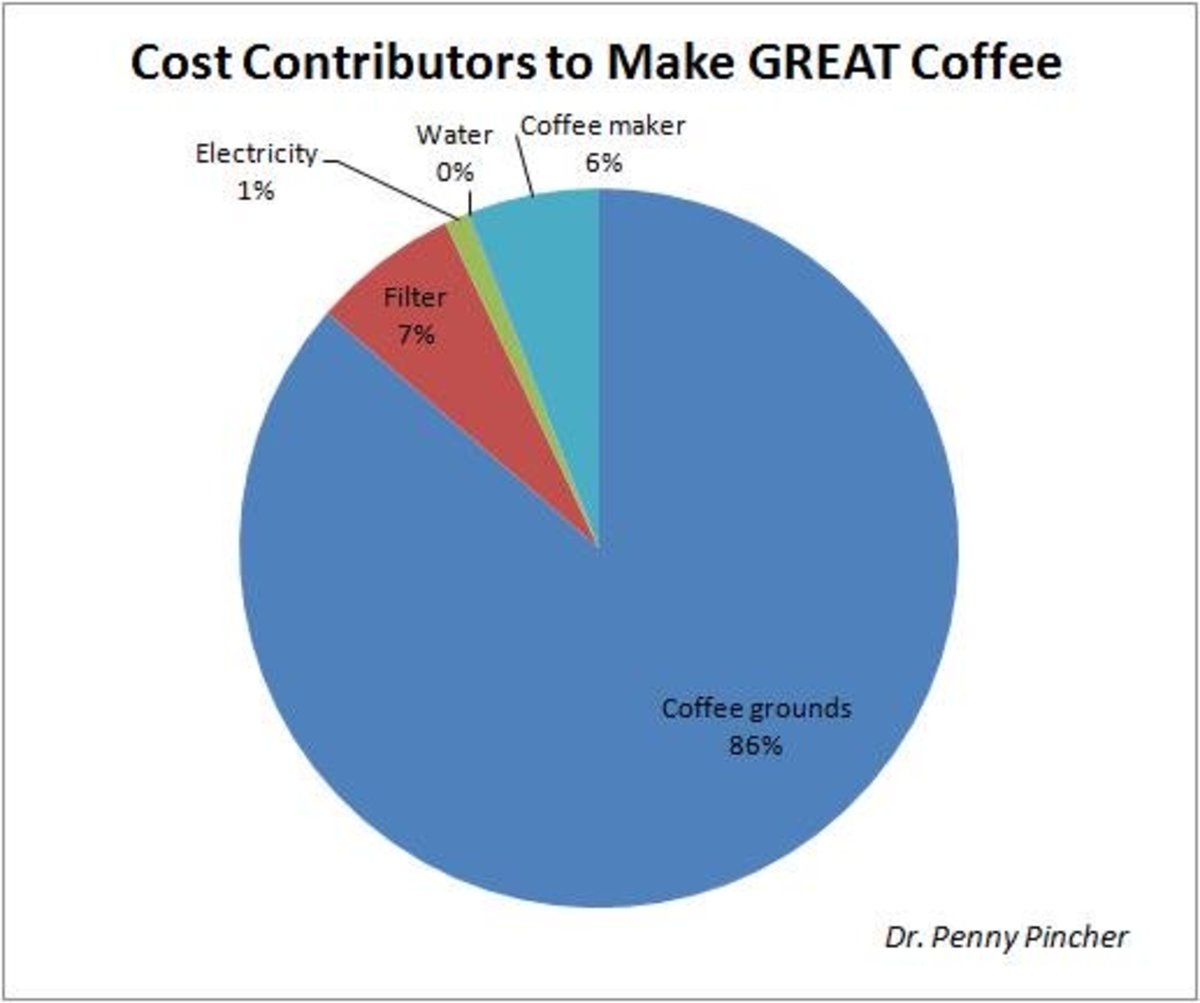
Credit: discover.hubpages.com
Influence Of Brewing Methods
The method used to brew coffee affects the cost of each cup. Different machines and techniques need various amounts of coffee, water, and energy. These factors change how much you spend every time you make coffee at home.
Some brewing methods use more coffee grounds, while others need more electricity or special filters. Understanding these differences helps you save money and enjoy your coffee just the way you like it.
Drip Coffee Makers
Drip coffee makers are common and easy to use. They use medium amounts of coffee and water for each pot. Electricity powers the machine during brewing, adding a small cost.
The price per cup stays low because you can make many cups at once. Coffee grounds and filters are the main expenses. This method suits people who drink several cups daily.
Espresso Machines
Espresso machines use finely ground coffee and high pressure to brew quickly. They need less coffee per shot but use more electricity. Some models also require regular cleaning products and maintenance.
The cost per cup is higher than drip coffee due to energy use and equipment care. Espresso lovers pay more for a strong, rich flavor. Single shots or small drinks come at a slightly higher price.
French Press And Pour Over
French press and pour over methods use manual brewing without electricity. They need more coffee grounds per cup, which raises the coffee cost. Water is heated separately, often on a stove or kettle.
No filters or machines add to the cost, but the coffee quality affects the price. These methods offer control over taste and strength, appealing to coffee enthusiasts. The expense depends mostly on coffee quality and quantity used.
Hidden Costs That Affect Price
Many people think the cost of a cup of coffee is just the price of beans and water. There are hidden costs that affect the final price. These costs are often not seen but add up over time. Understanding these helps explain why coffee can be expensive.
Waste And Spoilage
Not all coffee beans make it to your cup. Some beans get damaged or spoiled during processing. This waste increases the cost because farmers and sellers lose part of their product. Spoiled coffee also means extra resources are used for disposal. These losses raise the price of coffee for consumers.
Packaging And Storage
Coffee needs good packaging to stay fresh. Packaging materials like bags and boxes add to the cost. Proper storage is also necessary to keep beans from losing flavor. Storage requires cool, dry places which cost money to maintain. These factors raise the overall price to make sure your coffee tastes good.
Environmental Impact
Growing coffee affects the environment in many ways. Farms use water, energy, and land, which have costs. Pollution and deforestation can happen if farming is not careful. Efforts to reduce this impact may increase production costs. Sustainable farming practices can cost more but help protect nature. These environmental costs influence the price of your coffee cup.

Credit: www.fishriverroasters.com.au
Tips To Lower Your Coffee Costs
Lowering the cost of your daily coffee is easier than you think. Small changes save money and keep your coffee enjoyable. Focus on smart buying, brewing, and choosing extras carefully. These tips help you enjoy coffee without spending too much.
Buying Beans In Bulk
Buying coffee beans in bulk cuts the price per cup. Stores often give discounts for larger amounts. Store beans in a cool, dry place to keep freshness. Bulk buying means fewer trips to the store, saving time and money. Choose whole beans and grind at home for better taste and value.
Optimizing Brewing Techniques
Use the right amount of coffee for each cup. Too much coffee wastes beans and money. Try different brewing methods to find one that uses less coffee but tastes good. Clean your equipment regularly for better flavor and efficiency. Brewing smart keeps costs low and coffee quality high.
Choosing Affordable Add-ons
Extras like milk, sugar, and syrups can add up fast. Use simple options like regular milk or sugar instead of fancy syrups. Buy these add-ons in larger packs to save money. Try natural flavors like cinnamon or vanilla extract for variety. Keep add-ons basic to reduce your coffee’s total cost.
Frequently Asked Questions
How Much Does It Cost To Make One Cup Of Coffee?
The cost to make one cup ranges from $0. 20 to $0. 50. It depends on coffee type, brand, and brewing method. Home brewing is usually cheaper than buying from a café. Ingredients and utilities also affect the total cost.
What Factors Influence The Cost Of Homemade Coffee?
Key factors include coffee beans price, grind size, and brewing equipment. Water and electricity usage contribute slightly. Using specialty beans or advanced machines raises the cost. Bulk buying can reduce expenses. Maintenance and filters also play a role.
Is Making Coffee At Home Cheaper Than Buying Outside?
Yes, home brewing is generally cheaper than café coffee. A café coffee costs around $2 to $5 per cup. At home, costs are lower due to bulk purchases and no service fees. It also allows control over quality and ingredients.
How Does Coffee Bean Quality Affect Brewing Cost?
Higher quality beans cost more per pound, increasing brewing cost. Specialty or organic beans can double or triple the expense. Lower quality beans reduce cost but may affect flavor. Choosing the right balance is key for cost and taste.
Conclusion
Making a cup of coffee costs less than buying one outside. Ingredients like coffee beans, water, and milk affect the total price. Small changes can lower or raise the cost quickly. Brewing at home saves money and lets you choose flavors.
Knowing the cost helps plan your budget well. A simple cup can be both tasty and affordable. Enjoy your coffee without spending too much each day.