
Have you ever wondered what makes Japanese green tea so special? If you’re looking to boost your health, relax your mind, or enjoy a unique flavor, this tea might be exactly what you need.
Japanese green tea is more than just a drink—it’s a tradition packed with antioxidants and rich taste. Keep reading, and you’ll discover how this simple beverage can transform your daily routine and bring surprising benefits to your life.
Origins Of Japanese Green Tea
Japanese green tea has a rich history and unique origins. It plays a key role in Japanese culture and daily life. The tea’s journey started centuries ago, shaped by tradition and nature. Understanding its origins helps appreciate its taste and value.
Historical Roots
Green tea came to Japan from China in the 9th century. Buddhist monks brought tea seeds and growing methods. They used tea in religious ceremonies for focus and meditation. Over time, tea farming spread across Japan. By the 12th century, tea drinking became popular among samurai and nobles. The tea culture evolved with the famous tea ceremony in the 15th century. This ritual made green tea a symbol of harmony and respect.
Key Growing Regions
Japan has several important regions for green tea cultivation. Shizuoka is the largest producer, known for its mild flavor. Uji, near Kyoto, is famous for high-quality matcha and sencha teas. Kagoshima in the south offers rich, full-bodied teas. Each region’s climate and soil create unique tea tastes. Farmers carefully harvest leaves to keep the best quality. These areas keep Japan’s green tea tradition alive and thriving.
Popular Varieties
Japanese green tea has many popular varieties. Each type offers a unique taste and aroma. These teas are loved by many for their health benefits and flavor.
Below are some of the most famous Japanese green teas. They differ in how they are grown and processed. This affects their color, taste, and strength.
Sencha
Sencha is the most common green tea in Japan. It has a fresh, grassy flavor. The leaves are steamed and rolled before drying. Sencha is light and slightly sweet. It is perfect for daily drinking.
Matcha
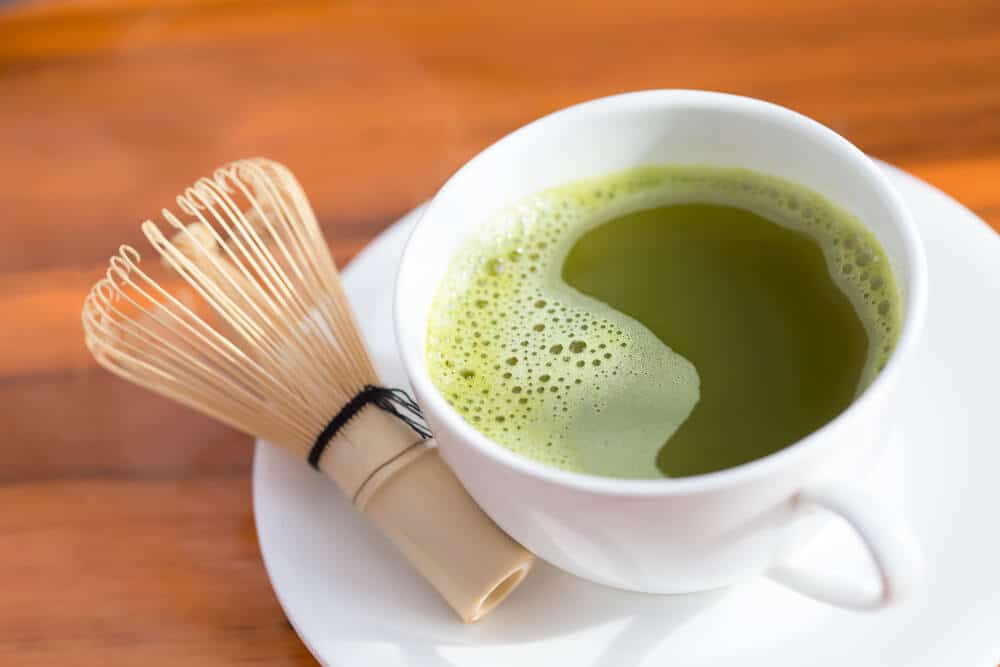
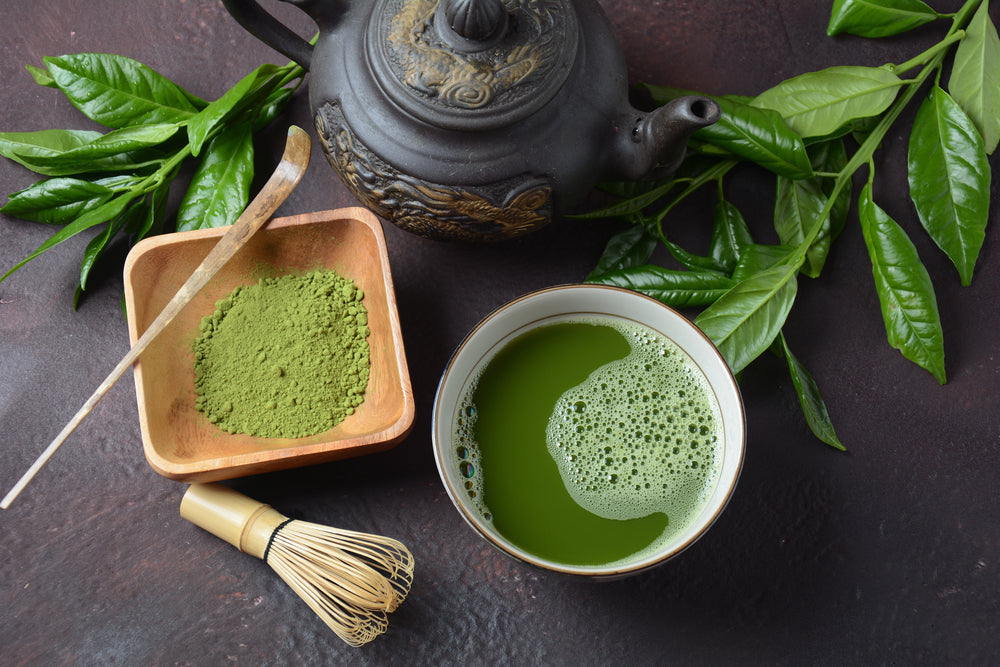
Matcha is powdered green tea. It is made by grinding shade-grown leaves. Matcha has a strong, rich flavor. It is used in tea ceremonies and cooking. Drinking matcha gives a smooth, creamy feel.
Gyokuro
Gyokuro is a high-quality tea grown in the shade. This process makes the leaves dark green. Gyokuro has a sweet and mild taste. It is more expensive than other teas. People enjoy it for its delicate flavor.
Hojicha
Hojicha is roasted green tea. It has a warm, toasty flavor. The roasting reduces caffeine and bitterness. Hojicha is low in acidity and easy on the stomach. It is often served in the evening.
Health Benefits
Japanese green tea is more than a refreshing drink. It offers many health benefits that support overall wellness. Drinking it regularly can help protect the body and mind in several ways.
Antioxidant Properties
Japanese green tea is rich in antioxidants. These compounds fight harmful free radicals in the body. They help reduce cell damage and slow aging. Antioxidants may also lower the risk of some diseases.
Boosting Metabolism
Green tea can increase the body’s metabolism. This means it helps burn calories faster. A faster metabolism supports weight management and energy levels. It makes green tea a good drink for active lifestyles.
Enhancing Brain Function
Compounds in Japanese green tea improve brain activity. They help with focus, memory, and mood. This makes the tea a natural way to stay alert and calm. The caffeine level is mild and balanced by other nutrients.
Supporting Heart Health
Regular green tea consumption supports a healthy heart. It helps lower bad cholesterol and blood pressure. This reduces the chance of heart disease. Green tea also improves blood flow and artery health.
Flavor Profiles
Japanese green tea offers a unique taste experience. Its flavor comes from a careful balance of natural elements. Each sip shows different notes that make it special. Understanding these flavors helps you enjoy the tea more.
Umami And Sweetness
Umami is the rich, savory taste in green tea. It gives a deep, full flavor that feels smooth. Sweetness in Japanese green tea is gentle and fresh. It comes from natural sugars in the leaves. Together, umami and sweetness create a pleasant, mild taste.
Astringency And Bitterness
Astringency causes a dry feeling in the mouth. It adds crispness and a clean finish to the tea. Bitterness is mild and balanced in quality green tea. It provides contrast to the sweet and umami notes. Both astringency and bitterness show the tea’s freshness.
Aroma Characteristics
The aroma of Japanese green tea is fresh and green. It often smells like fresh grass or seaweed. Some types have a nutty or floral scent. The aroma prepares your senses for the flavors to come. It plays a big part in the tea experience.
Brewing Techniques
Brewing Japanese green tea is a simple art. Doing it right brings out the fresh, delicate flavors. Small details make a big difference in taste. Follow these steps to enjoy the perfect cup.
Water Temperature
Use water that is hot, but not boiling. Ideal temperature is about 160°F to 175°F (70°C to 80°C). Too hot water makes the tea bitter. Cooler water helps keep the sweet, grassy taste.
Steeping Time
Steep the tea for 1 to 2 minutes. Longer steeping causes bitterness. Shorter time keeps the flavor light and fresh. Adjust steeping based on your taste preference.
Proper Tea-to-water Ratio
Use about 1 teaspoon of tea leaves for every 6 ounces of water. Too many leaves make the tea strong and bitter. Too few leaves create a weak flavor. Measure carefully for the best taste.

Incorporating Green Tea Into Your Routine
Incorporating Japanese green tea into your daily life is simple and rewarding. It offers a gentle boost and many health benefits. Small changes can make a big difference in enjoying this traditional drink. Explore easy ways to add green tea to your routine.
Daily Consumption Tips
Drink green tea in the morning to start your day refreshed. Use warm water, not boiling, to keep the flavor smooth. Sip slowly to enjoy the taste and relax. Carry a reusable bottle to brew tea on the go. Try one to three cups daily for steady benefits.
Green Tea Recipes
Mix green tea with lemon for a fresh, tangy twist. Blend cooled green tea with fruits for a healthy smoothie. Use green tea powder in baking for a subtle flavor. Make iced green tea by chilling brewed tea and adding ice. Explore recipes to suit your taste and lifestyle.
Pairing With Food
Green tea pairs well with light meals and snacks. Try it with sushi or steamed vegetables for balance. It cuts through rich, oily foods like tempura nicely. Match green tea with mild cheeses and nuts for a snack. Pairing enhances flavors and creates a pleasant experience.
Frequently Asked Questions
What Are The Health Benefits Of Japanese Green Tea?
Japanese green tea is rich in antioxidants that boost immunity. It aids digestion, improves brain function, and promotes weight loss. Regular consumption may reduce heart disease risks and support overall wellness.
How Is Japanese Green Tea Different From Other Teas?
Japanese green tea is steamed, not pan-fired, preserving its fresh flavor. It has a grassy, umami taste, unlike the roasted notes in Chinese teas. This steaming process also retains more antioxidants and nutrients.
What Is The Best Way To Brew Japanese Green Tea?
Use water heated to 70-80°C (158-176°F). Steep 1 teaspoon of tea leaves for 1-2 minutes. Avoid boiling water to prevent bitterness. Enjoy fresh for the best taste and benefits.
Which Japanese Green Tea Types Are Most Popular?
Sencha is the most common daily tea. Matcha is powdered and used in ceremonies. Gyokuro offers a sweeter, richer taste. Each type has unique flavor and health profiles.
Conclusion
Japanese green tea offers a fresh, light taste loved worldwide. It provides many health benefits, like antioxidants and calm focus. Brewing it is simple and relaxing. Try different types to find your favorite. Enjoy a warm cup anytime you need peace.
This tea brings a small moment of joy every day. Give Japanese green tea a chance and feel the calm it brings.