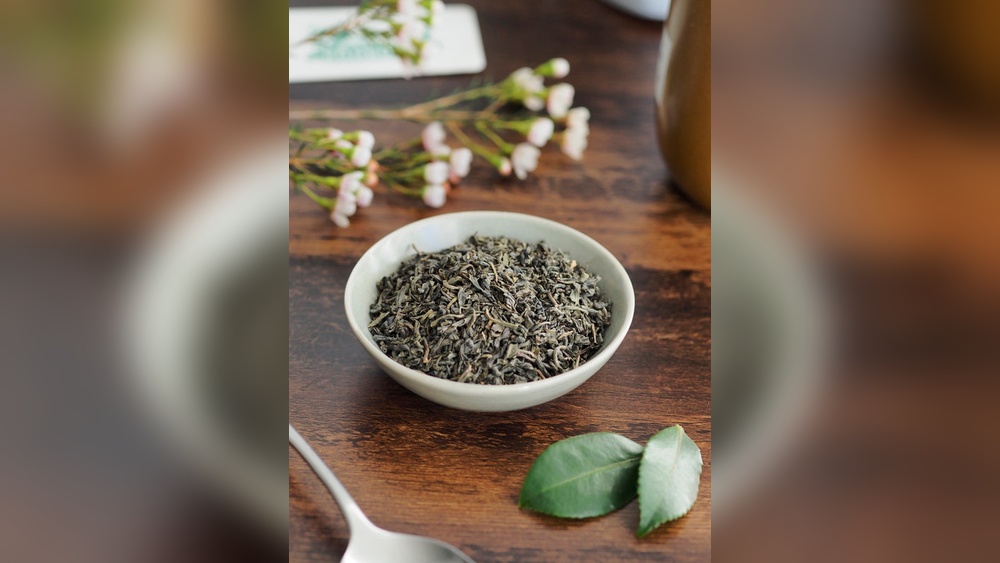

Are you looking for a refreshing way to boost your health and enjoy a moment of calm? Loose leaf green tea might be exactly what you need.
Unlike tea bags, loose leaf tea offers a richer flavor and more natural benefits that can transform your daily routine. You’ll discover why loose leaf green tea stands out, how it can improve your well-being, and simple tips to brew the perfect cup every time.
Keep reading to unlock the full potential of this timeless drink and make it a delicious part of your life.
Benefits Of Loose Leaf Green Tea
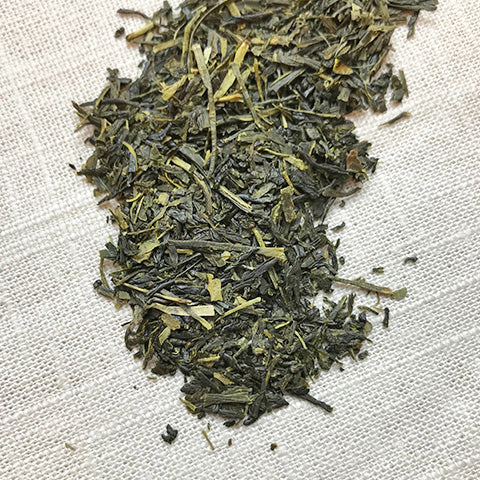
Loose leaf green tea offers many health benefits. It contains natural compounds that support overall well-being. Drinking it regularly can improve your body and mind. The tea is rich in antioxidants and other nutrients. These help protect your cells and keep you healthy.
Loose leaf green tea also aids in metabolism and heart health. It boosts brain function and helps with weight management. Enjoying this tea daily can bring positive changes. Here are the key benefits explained.
Rich Antioxidant Content
Loose leaf green tea is full of antioxidants. These substances fight harmful molecules called free radicals. Free radicals can damage cells and cause aging. Antioxidants help protect your body from this damage. They support your immune system and keep you strong.
Boosts Metabolism
Green tea naturally increases your metabolism rate. It helps your body burn calories faster. This boost can improve energy levels throughout the day. A faster metabolism supports better digestion and energy use.
Supports Heart Health
Drinking loose leaf green tea helps your heart. It lowers bad cholesterol and improves blood flow. This reduces the risk of heart disease. The tea also helps keep blood pressure in a healthy range.
Enhances Brain Function
Green tea improves focus and memory. It contains caffeine and amino acids that boost brain activity. These ingredients help you stay alert and calm. Regular drinking supports better concentration and mental clarity.
Promotes Weight Loss
Loose leaf green tea aids in weight loss efforts. It helps burn fat and reduces appetite naturally. Drinking it before meals can support healthy eating habits. This tea is a helpful addition to any diet plan.
Types Of Loose Leaf Green Tea
Loose leaf green tea offers many types, each with unique taste and aroma.
These teas come from different regions and have distinct growing and processing methods.
Exploring these types helps find the perfect green tea for your taste.
Sencha
Sencha is the most popular green tea in Japan.
It has a fresh, grassy flavor with a slight sweetness.
Leaves are steamed and rolled before drying, preserving their green color.
Matcha
Matcha is finely ground powdered green tea.
It has a rich, smooth flavor and bright green color.
Matcha is made from shade-grown leaves called tencha.
Gyokuro
Gyokuro is a high-quality, shade-grown tea from Japan.
It has a sweet, umami flavor with low bitterness.
Leaves are carefully shaded before harvest to increase chlorophyll.
Longjing
Longjing, or Dragon Well, is a famous Chinese green tea.
It has a nutty, slightly sweet taste with a smooth finish.
Leaves are pan-fired to stop oxidation and preserve flavor.
Bancha
Bancha is a common Japanese green tea made from mature leaves.
It has a mild, slightly earthy taste and is less expensive.
Bancha is harvested later in the season than Sencha.
How To Choose Quality Loose Leaf Green Tea
Choosing quality loose leaf green tea makes a big difference in taste and health benefits. Good tea delivers fresh flavor and a rich aroma. Poor quality tea can taste dull or bitter. Knowing what to look for helps you pick the best leaves every time.
Look For Freshness
Fresh tea leaves have the best flavor. Check the packaging date or harvest season. Avoid tea that is too old or stored badly. Fresh leaves should feel dry but not brittle. Freshness means the tea keeps its natural oils and taste.
Check Leaf Appearance
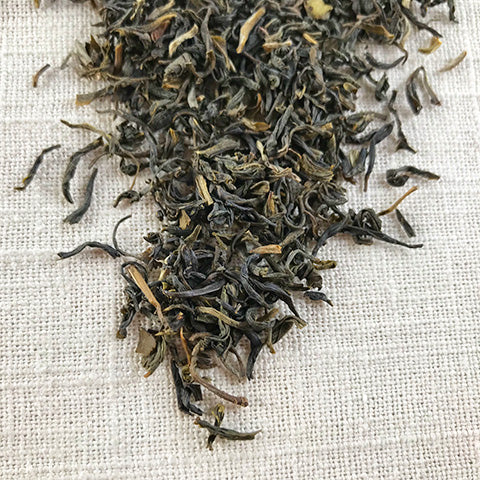
Quality tea leaves look whole and unbroken. Avoid tea with too many stems or dust. Leaves should have a vibrant green color. Dull or brown leaves suggest poor quality or age. The shape and size of leaves show how carefully they were handled.
Consider Aroma And Flavor
Good green tea smells fresh and grassy. It may have light floral or sweet notes. Avoid tea with a stale or musty smell. The flavor should be smooth, not bitter or sour. Taste a small amount before buying, if possible.
Organic Vs Conventional
Organic green tea grows without chemicals or pesticides. It may taste cleaner and be healthier. Conventional tea can have residues but is often cheaper. Choose organic if you want fewer chemicals. Both types can be high quality if processed well.
Brewing Loose Leaf Green Tea Perfectly
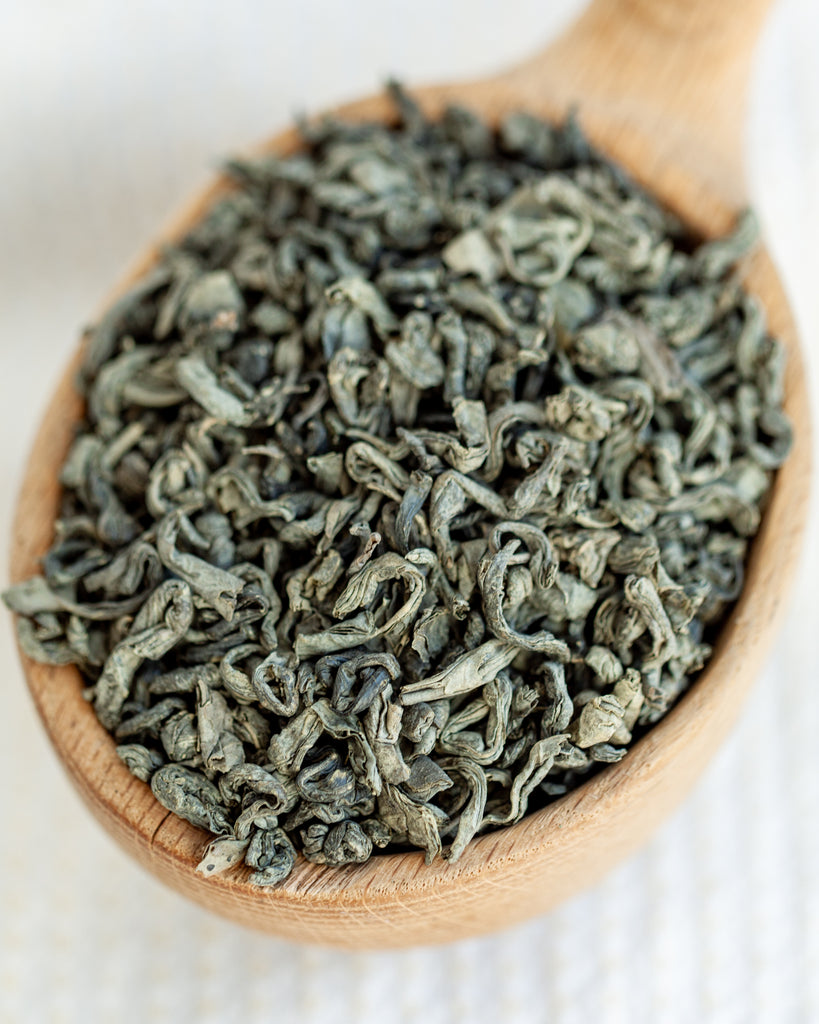
Brewing loose leaf green tea perfectly brings out its fresh and delicate flavors. It needs care with water temperature, steeping time, and the right tools. Small details change the taste a lot. Follow simple steps to enjoy a smooth, healthy cup every time.
Water Temperature Tips
Green tea needs water that is not too hot. Aim for 160°F to 180°F (70°C to 80°C). Boiling water can burn the leaves. This makes the tea bitter and harsh. Let boiled water cool for a few minutes before pouring.
Steeping Time
Steep green tea leaves for 2 to 3 minutes. Steeping longer makes the tea strong and bitter. Short steeping keeps the flavor light and fresh. Use a timer to avoid oversteeping. Adjust time slightly for taste preference.
Using The Right Tools
Use a glass or ceramic teapot for better heat control. Avoid metal pots that change flavor. A tea infuser or strainer keeps leaves separate. This helps easy removal after steeping. Clean tools well to prevent old flavors mixing.
Avoiding Bitter Taste
Do not reuse old tea leaves. Fresh leaves give the best taste. Watch water temperature and steeping time closely. Do not use boiling water or steep too long. Pour tea out quickly after steeping ends. These steps keep bitterness away.
Incorporating Green Tea Into Your Daily Routine
Incorporating loose leaf green tea into your daily routine can bring many health benefits. It offers a natural way to stay refreshed and calm. You can enjoy it at different times during the day. Each moment offers a unique way to experience green tea’s taste and effects.
Morning Energy Boost
Start your day with a cup of loose leaf green tea. It contains caffeine, but less than coffee. This gives you a gentle energy lift. Green tea also helps improve focus and alertness. Steep the leaves in hot water for 2-3 minutes. Drink it fresh to enjoy its full flavor and benefits.
Afternoon Relaxation
Green tea is perfect for a calm afternoon break. The amino acid L-theanine in it promotes relaxation. It helps reduce stress without making you sleepy. Brew a warm cup after lunch. Sip slowly and enjoy a peaceful moment. This can help you stay balanced for the rest of the day.
Green Tea In Recipes
Loose leaf green tea works well in many recipes. Use it to flavor smoothies or iced drinks. You can add brewed green tea to soups or sauces. It pairs nicely with lemon, honey, or ginger. Experiment with green tea in your cooking for a fresh taste and added antioxidants.
Green Tea Supplements
Green tea is also available as supplements. Capsules and extracts offer a convenient way to get its benefits. They often contain concentrated antioxidants. Choose high-quality products and follow the recommended dose. Supplements can support your health, especially if you don’t enjoy drinking tea.
Potential Side Effects And Precautions
Loose leaf green tea offers many health benefits but also has some side effects. Knowing these helps you enjoy tea safely. Some people may feel effects more than others. It is important to follow simple precautions for a good experience.
Caffeine Sensitivity
Loose leaf green tea contains caffeine, which may cause jitters. Some people feel restless or have trouble sleeping. Those sensitive to caffeine should limit intake or choose decaffeinated tea. Drinking tea earlier in the day reduces sleep problems.
Interactions With Medications
Green tea can interact with some medicines. It may reduce the effect of blood thinners and certain heart medicines. Always tell your doctor if you drink green tea regularly. This helps avoid unwanted side effects or risks.
Recommended Consumption Limits
Experts suggest drinking 3 to 4 cups of loose leaf green tea daily. Too much tea can cause headaches or upset stomach. Pregnant or breastfeeding women should consult a doctor before drinking green tea. Moderation keeps tea enjoyable and safe.
Frequently Asked Questions
What Is Loose Leaf Green Tea?
Loose leaf green tea consists of uncut, whole tea leaves. It offers superior flavor and aroma compared to tea bags. It retains more antioxidants and nutrients, providing a richer tea experience. It is popular among tea enthusiasts for its freshness and quality.
How To Brew Loose Leaf Green Tea Properly?
Use 1 teaspoon of loose leaf tea per cup. Steep in water at 175°F to 185°F for 2-3 minutes. Avoid boiling water to prevent bitterness. Adjust steeping time based on taste preference. Strain leaves before drinking for the best flavor.
What Are The Health Benefits Of Loose Leaf Green Tea?
Loose leaf green tea is rich in antioxidants, boosting immunity. It aids digestion, improves brain function, and promotes heart health. The natural compounds help reduce inflammation and support weight loss. Drinking it regularly can enhance overall wellness and vitality.
How Does Loose Leaf Green Tea Differ From Tea Bags?
Loose leaf tea contains whole, unbroken leaves, preserving flavor and nutrients. Tea bags often have broken leaves or dust, resulting in weaker taste. Loose leaf allows better water circulation, enhancing infusion quality. It also offers more variety in flavors and grades.
Conclusion
Loose leaf green tea offers fresh flavor and many health benefits. It brews better than tea bags, giving a richer taste. Choosing quality leaves brings a smooth, natural experience. Enjoy it hot or cold, anytime you want. Simple, healthy, and delicious—green tea fits your daily routine.
Try it today and feel the difference.