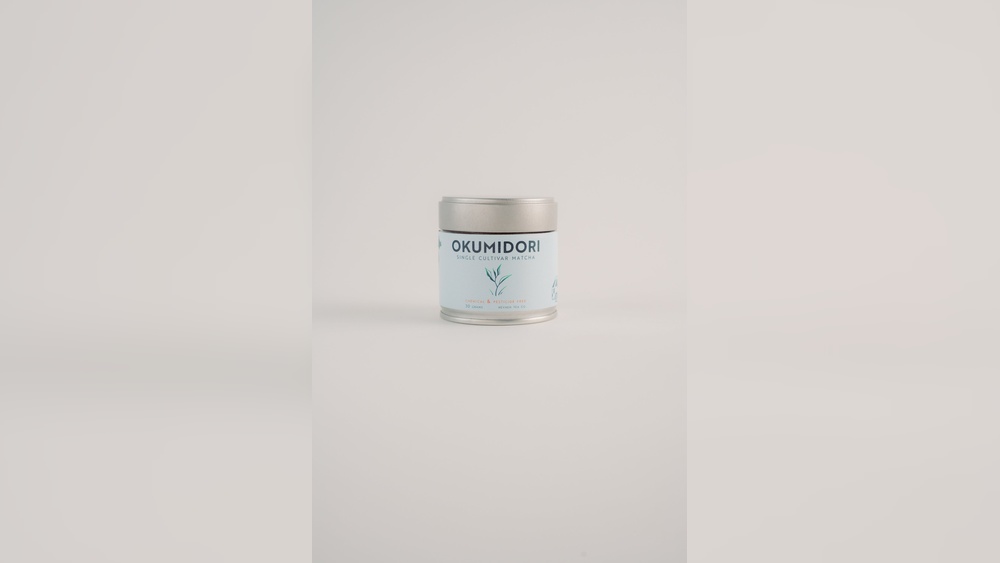

Have you ever wondered what’s really in your cup of tea? When you sip on tea, you want it to be pure, natural, and safe.
Pesticide free tea gives you just that—a clean, fresh taste without harmful chemicals. Imagine enjoying every cup knowing it’s good for your body and the planet. You’ll discover why choosing pesticide free tea matters and how it can transform your tea experience.
Keep reading to find out how to make the healthiest choice for you and your loved ones.

Benefits Of Pesticide Free Tea
Pesticide free tea offers many benefits beyond just being a natural choice. It supports your health, protects the environment, and even changes the way tea tastes and smells. Choosing pesticide free tea means choosing a cleaner, safer, and more enjoyable cup of tea.
Health Advantages
Pesticide free tea has fewer harmful chemicals. This reduces the risk of consuming toxic substances. It keeps your body safer from pesticides that can cause health problems. Drinking pesticide free tea helps you avoid chemical buildup. It supports your immune system and overall well-being.
Environmental Impact
Growing tea without pesticides helps protect soil and water. It keeps insects, birds, and other animals safe. Pesticide free farms support biodiversity and natural balance. This farming method reduces pollution and promotes healthy ecosystems. Choosing pesticide free tea helps protect nature for future generations.
Taste And Aroma Differences
Pesticide free tea often has a fresher and richer flavor. Natural growing methods let the true taste of tea leaves shine. Its aroma is usually more vibrant and pleasant. Without chemical residues, the tea feels cleaner and smoother. You enjoy a more natural and satisfying tea experience.

How Pesticide Free Tea Is Grown
Growing pesticide free tea requires care and respect for nature. Farmers avoid chemicals that harm the environment and people. They use natural ways to keep tea plants healthy. This helps produce clean, fresh tea leaves.
Here are some key steps in growing pesticide free tea.
Organic Farming Practices
Farmers use organic methods to grow tea. They choose natural fertilizers like compost and manure. These enrich the soil without chemicals. Crop rotation helps keep the soil healthy. This stops pests and diseases from building up. No synthetic pesticides or herbicides are used.
Natural Pest Control Methods
Farmers use natural ways to control pests. Beneficial insects like ladybugs eat harmful bugs. Planting certain flowers attracts these helpful insects. Some farmers use traps or barriers to protect tea plants. These methods keep pests low without chemicals.
Soil And Water Management
Healthy soil grows healthy tea leaves. Farmers test soil regularly to check nutrients. They add natural materials to improve soil texture. Water is used carefully to avoid waste. Proper irrigation helps plants grow strong. Clean water keeps tea free from contamination.
Types Of Pesticide Free Tea
Pesticide free tea offers a pure and healthy choice for tea lovers. It ensures no harmful chemicals reach your cup. Various types of pesticide free tea suit different tastes and needs. Each type has its own unique flavor and benefits. Exploring these options helps you find the perfect tea.
Green Tea Varieties
Green tea is famous for its fresh and grassy flavor. Pesticide free green tea keeps all natural nutrients intact. Popular varieties include Sencha, Matcha, and Gyokuro. Sencha has a mild taste and is easy to brew. Matcha is powdered green tea, rich in antioxidants. Gyokuro offers a sweeter, smoother flavor. All these types provide a clean and pure tea experience.
Black Tea Options
Black tea is known for its strong and bold flavor. Pesticide free black teas come from leaves fully oxidized. Darjeeling, Assam, and Ceylon are well-loved options. Darjeeling has a light, floral taste. Assam is rich, malty, and robust. Ceylon tea offers a bright and citrusy note. These choices provide variety in strength and aroma.
Herbal And Specialty Blends
Herbal teas do not come from the Camellia plant. They include herbs, flowers, and spices. Chamomile, peppermint, and rooibos are popular pesticide free options. Chamomile soothes and relaxes the mind. Peppermint refreshes and aids digestion. Rooibos has a sweet and nutty flavor. Specialty blends mix herbs for unique tastes and benefits.
Choosing Quality Pesticide Free Tea
Choosing quality pesticide free tea matters for health and taste. Pure tea leaves absorb fewer chemicals. This means a cleaner, safer cup of tea. Quality pesticide free tea also has a richer flavor and aroma. It is important to know how to identify genuine products. This guide helps pick the best pesticide free tea for daily enjoyment.
Certification Labels To Look For
Certification labels guarantee the tea meets strict standards. Look for USDA Organic, EU Organic, or Rainforest Alliance marks. These labels show the tea is grown without synthetic pesticides. They also ensure eco-friendly farming practices. Labels from trusted organizations provide confidence in your purchase.
Sourcing From Trusted Brands
Choose brands with clear pesticide free claims. Trusted brands share information about their farms and processes. They often provide traceability, showing where the tea comes from. Read customer reviews and expert opinions. Reliable brands focus on quality and safety, not just marketing.
Storage Tips For Freshness
Store tea in airtight containers to keep freshness. Keep tea away from light, heat, and moisture. Use opaque tins or dark glass jars for best results. Avoid storing tea near strong odors. Proper storage preserves flavor and prevents contamination.
Brewing The Perfect Cup
Brewing the perfect cup of pesticide free tea is a simple joy. It brings out the pure, natural flavors of the leaves. Every step counts, from water temperature to timing and even the teaware you choose. Let’s explore how to make your tea taste its best.
Water Temperature And Timing
Water temperature affects the taste of your tea greatly. For green and white teas, keep water between 160°F and 180°F. Black and oolong teas need hotter water, about 200°F to 212°F. Steeping time matters too. Oversteeping makes tea bitter. Usually, steep green tea for 2 to 3 minutes and black tea for 3 to 5 minutes.
Teaware Recommendations
Choose teaware that does not change the tea’s flavor. Glass or porcelain cups are best. Avoid metal cups, as they can add a metallic taste. A teapot with a built-in strainer helps catch tea leaves easily. Clean your teaware regularly to keep flavors fresh and pure.
Enhancing Flavor Naturally
Enhance your pesticide free tea without artificial additives. Fresh mint leaves add a refreshing note. A slice of lemon can brighten the taste. Try a small piece of ginger for a spicy twist. These natural additions keep the tea healthy and flavorful.
Incorporating Pesticide Free Tea Into Daily Life
Incorporating pesticide free tea into daily life brings many benefits. It supports your health and the environment. Choosing tea without harmful chemicals helps your body stay clean and strong. It also means your tea tastes pure and fresh.
Making pesticide free tea a daily habit is simple. Small changes in your routine can create big health rewards. Enjoying this tea can become a calming part of your day.
Healthier Lifestyle Habits
Start your day with a cup of pesticide free tea. It boosts energy without added chemicals. This tea can replace sugary drinks and coffee. Drink it hot or cold to stay hydrated. Choose organic snacks to pair with your tea. These habits improve your overall wellness step by step.
Tea Pairings And Recipes
Pair pesticide free tea with light foods. Fresh fruits, nuts, and whole grain snacks work well. Try making iced tea with lemon and mint. Brew herbal blends to relax in the evening. Mix green tea with ginger for a spicy twist. Simple recipes make tea time more enjoyable.
Mindful Tea Drinking Rituals
Slow down and savor each sip of tea. Notice the aroma and flavor carefully. Use this time to clear your mind. Create a quiet space for your tea moments. This practice reduces stress and improves focus. Mindful tea drinking turns routine into relaxation.
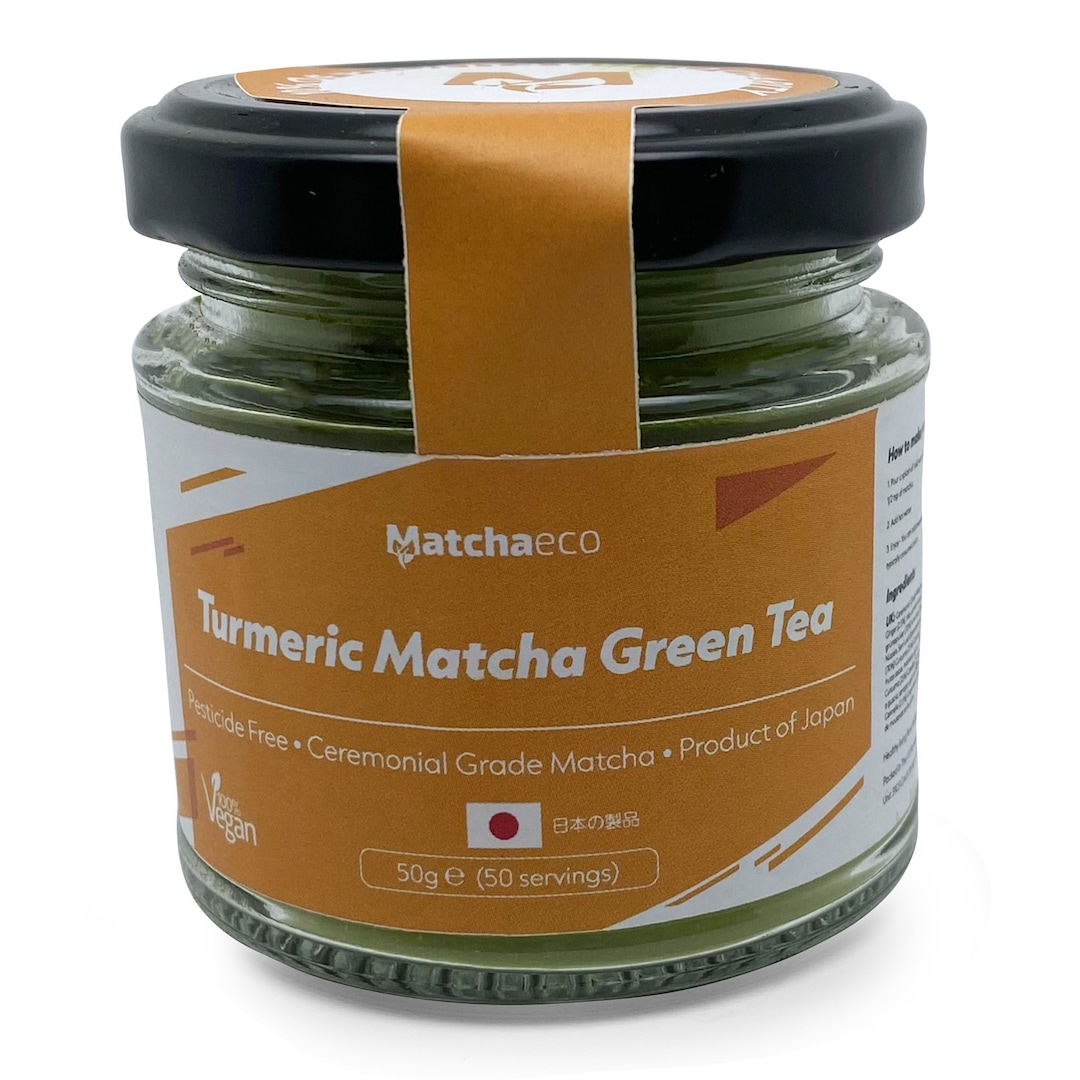
Frequently Asked Questions
What Is Pesticide Free Tea?
Pesticide free tea is grown without synthetic chemicals. It ensures safer consumption and protects the environment. This tea maintains natural flavors and health benefits. It is ideal for health-conscious consumers.
How Does Pesticide Free Tea Benefit Health?
Pesticide free tea reduces chemical exposure risks. It contains higher antioxidants and nutrients. Drinking it supports immunity and reduces toxin intake. This tea promotes overall well-being and safer hydration.
Is Pesticide Free Tea More Expensive Than Regular Tea?
Yes, pesticide free tea often costs more. Organic farming requires extra labor and care. The price reflects quality, safety, and eco-friendliness. Many consumers consider the benefits worth the premium.
How Can I Identify Pesticide Free Tea?
Look for organic certification labels on the packaging. Check for clear ingredient lists and farm origin. Trusted brands often provide transparency about farming practices. Buying from reputable sellers ensures authenticity.
Conclusion
Choosing pesticide free tea supports your health and the environment. It offers a cleaner taste without harmful chemicals. Small changes in your tea habits can make a big difference. Enjoying natural tea helps protect nature and farmers. Every cup of pesticide free tea is a step toward a safer world.
Start today, savor the pure flavors, and feel good about your choice.