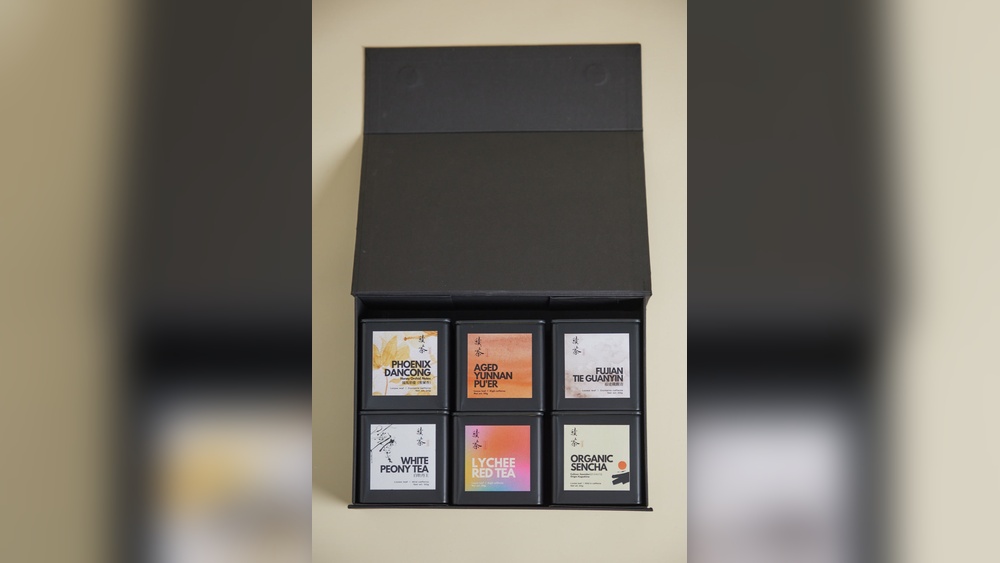

Are you ready to discover a tea experience like no other? Premium Chinese tea offers more than just a drink – it’s a moment of calm, a taste of tradition, and a boost to your well-being.
Imagine sipping a cup that’s been crafted with care for centuries, unlocking rich flavors and natural benefits with every sip. Whether you’re new to tea or a seasoned lover, this guide will help you find the perfect premium Chinese tea that suits your taste and lifestyle.
Keep reading, and your tea ritual will never be the same.

Types Of Premium Chinese Tea
Premium Chinese tea offers a wide range of flavors and aromas. Each type has unique qualities and history. Understanding these types helps appreciate the rich tea culture of China.
Chinese tea varieties come from different regions and use special processing methods. These affect the taste, color, and health benefits of the tea. Below are the main types of premium Chinese tea.
Green Tea Varieties
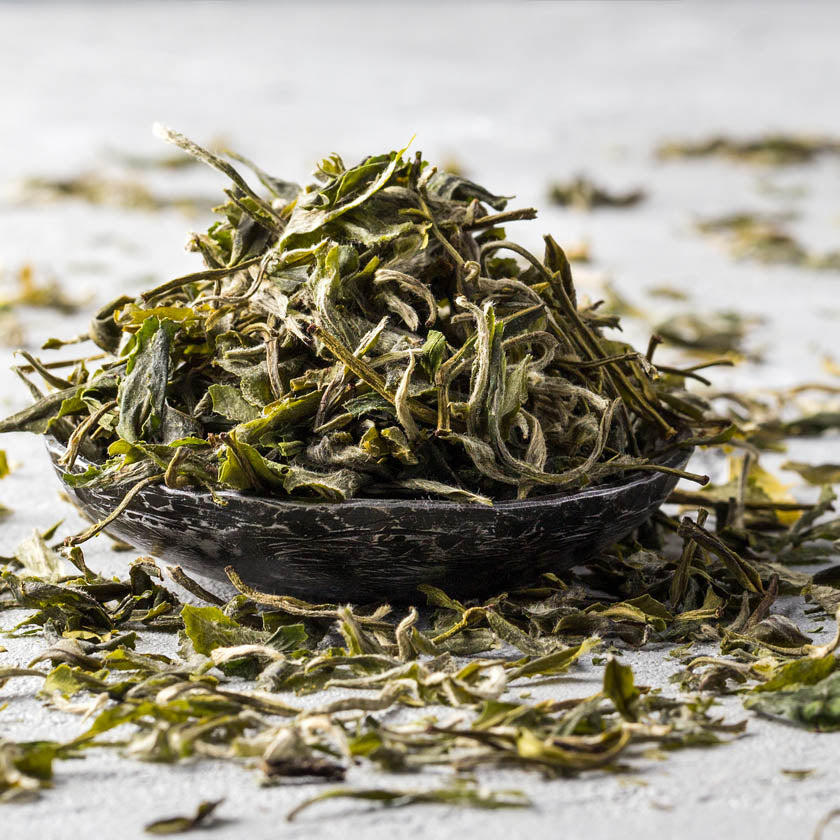
Green tea is the most popular type in China. It is unoxidized and has a fresh, grassy taste. Famous green teas include Longjing (Dragon Well) and Biluochun. These teas are light green and rich in antioxidants.
Oolong Tea Varieties
Oolong tea is partially oxidized, between green and black tea. It has a floral and fruity flavor. Popular oolongs include Tieguanyin and Da Hong Pao. Oolong tea is smooth and fragrant, often enjoyed for its complex taste.
Black Tea Varieties
Chinese black tea is fully oxidized and strong in flavor. It is dark red or brown in color. Famous black teas include Keemun and Dianhong. These teas have a rich, malty taste and are often served with milk or sugar.
White And Yellow Teas
White tea is the least processed, with a delicate, sweet flavor. Silver Needle is a well-known white tea. Yellow tea is similar but has a slight fermentation step. Both teas are light in color and gentle on the palate.

Flavor Profiles To Explore
Premium Chinese tea offers a world of unique flavors. Each type has its own taste and aroma. Exploring these flavors helps you enjoy tea more deeply. Experience the rich variety from floral to earthy notes. Discover the subtle sweetness and nutty hints too. These profiles show the art behind Chinese tea.
Floral And Fruity Notes
Some Chinese teas smell like fresh flowers or ripe fruit. Jasmine tea is a perfect example. It carries a soft, sweet floral scent. Fruity notes appear in teas like oolong. You may taste hints of peach or apricot. These flavors feel light and refreshing. They make tea drinking a joyful experience.
Earthy And Smoky Tones
Earthy flavors come from tea leaves grown in rich soil. Pu-erh tea is famous for this deep taste. It has a strong, earthy aroma that feels warm. Some teas also have smoky tones from special drying methods. These flavors add depth and strength. They appeal to those who enjoy bold tea.
Sweet And Nutty Undertones
Certain teas offer gentle sweetness without sugar. These include some green and white teas. You might notice hints of honey or chestnut. These sweet and nutty tones balance the tea’s natural bitterness. They create a smooth and pleasant finish. A nice surprise for your taste buds.
Health Benefits Of Chinese Tea
Chinese tea offers many health benefits that make it a popular choice worldwide. It contains natural compounds that support overall wellness. Drinking premium Chinese tea daily can help maintain a healthy body and mind.
Antioxidant Properties
Chinese tea is rich in antioxidants. These molecules fight harmful free radicals in the body. Free radicals can cause cell damage and aging. Antioxidants slow this process and protect your cells. This helps reduce the risk of chronic diseases.
Boosting Metabolism
Chinese tea can increase your metabolism. It helps your body burn calories faster. This effect supports weight management and energy levels. Regular tea drinking may improve digestion and fat breakdown.
Enhancing Mental Clarity
Drinking Chinese tea improves focus and alertness. It contains a small amount of caffeine. This stimulates the brain without causing jitters. The tea also has amino acids that calm the mind. This combination helps enhance mental clarity and calmness.
Supporting Heart Health
Chinese tea supports a healthy heart. It helps lower bad cholesterol levels. The tea also improves blood circulation. These benefits reduce the risk of heart disease. Drinking tea regularly promotes a strong cardiovascular system.
How To Brew Premium Chinese Tea
Brewing premium Chinese tea is an art that brings out the best flavors. Each step influences the taste and aroma. Careful attention to water, temperature, and timing creates the perfect cup. Traditional methods also add a special touch to the experience.
Choosing The Right Water
Water quality affects tea flavor greatly. Use fresh, clean water without strong minerals. Filtered or spring water works best. Avoid distilled or tap water with chlorine. The right water allows the tea leaves to release natural flavors fully.
Ideal Brewing Temperatures
Different teas need different temperatures for brewing. Green tea tastes best at 160-180°F (70-80°C). Oolong tea needs 190-200°F (88-93°C). Black and pu-erh teas require boiling water near 212°F (100°C). Using the right temperature prevents bitterness or weak flavor.
Steeping Times For Each Tea Type
Steeping time changes the strength and taste of tea. Green tea should steep 1-3 minutes. Oolong tea needs 3-5 minutes. Black tea requires 3-4 minutes, while pu-erh tea can steep 4-6 minutes. Shorter steeping keeps tea light and fresh. Longer steeping makes it stronger but can cause bitterness.
Traditional Brewing Methods
The Gongfu style is a popular traditional way. Use a small teapot or gaiwan and multiple short steeps. This method highlights complex flavors and aromas. Rinse the leaves with hot water first to awaken them. Pour tea into small cups to enjoy slowly and appreciate each sip.
Storing And Preserving Tea Quality
Storing and preserving premium Chinese tea is key to keeping its fresh taste and aroma. Proper care keeps the tea’s quality high and prevents it from going stale. Small mistakes in storage can cause loss of flavor and reduce enjoyment. Learning the right steps helps you enjoy every cup fully.
Avoiding Moisture And Light
Moisture is the biggest enemy of tea leaves. Wet leaves lose flavor and can grow mold. Keep tea in a dry place to avoid this. Light breaks down tea compounds and changes the taste. Store tea in a dark spot or use opaque containers. Both moisture and light reduce tea quality fast.
Proper Containers And Packaging
Use airtight containers to keep tea fresh longer. Metal tins or dark glass jars work well. Avoid plastic bags or clear jars. Tea absorbs odors from nearby foods. Keep tea away from strong smells. Original packaging is okay if sealed tightly. Repack loose tea in small containers after opening.
Shelf Life Of Different Teas
Different teas last for different times. Green tea stays fresh for 6 to 12 months. Black tea can last 2 to 3 years. Oolong tea’s shelf life is about 1 year. Pu-erh tea improves with age but needs proper storage. Always check tea aroma before use. Fresh smell means good quality.
Where To Buy Authentic Premium Chinese Tea
Finding authentic premium Chinese tea can enhance your tea experience. Genuine tea offers rich flavors and health benefits. Choosing the right place to buy ensures quality and freshness.
Trusted Online Retailers
Several online shops sell authentic premium Chinese tea. These retailers source tea directly from China’s best regions. Check customer reviews and product details carefully. Many sites offer detailed descriptions and brewing tips. Buying online is convenient and offers a wide selection.
Specialty Tea Shops
Specialty tea shops focus on quality and authenticity. Staff usually have good knowledge of Chinese teas. They can guide you to pick the right tea for your taste. Visiting a shop allows you to smell and sometimes taste teas before buying. These shops often stock rare and high-grade varieties.
Visiting Tea Markets In China
Tea markets in China are ideal for true tea lovers. These markets sell fresh, premium teas from local farmers. You can see and smell the teas before buying. It is a unique way to learn about tea culture and traditions. Negotiating prices is common and part of the experience.
Frequently Asked Questions
What Makes Chinese Tea Premium Quality?
Premium Chinese tea is grown in ideal climates with rich soil. It undergoes careful hand-picking and traditional processing. This preserves unique flavors and aromas, resulting in high-quality tea with distinct taste and health benefits.
How To Identify Authentic Premium Chinese Tea?
Look for whole leaves, vibrant color, and strong aroma. Authentic premium tea is hand-processed and often comes with origin certification. Trusted sellers provide detailed information about the tea’s region and harvesting methods.
What Are The Health Benefits Of Chinese Tea?
Chinese tea is rich in antioxidants and can improve digestion. It boosts metabolism, reduces stress, and supports heart health. Drinking premium Chinese tea regularly promotes overall wellness and hydration.
Which Chinese Tea Types Are Considered Premium?
Popular premium types include Longjing (Dragon Well), Tieguanyin, and Pu-erh. Each offers unique flavors from different regions. These teas are highly prized for their aroma, taste, and traditional processing methods.
Conclusion
Premium Chinese tea offers a rich taste and deep history. Each sip brings calm and warmth to your day. Explore different types to find your favorite flavor. Enjoying tea can be a simple daily pleasure. Share this tradition with friends or family.
Quality tea helps you relax and feel refreshed. Choose premium Chinese tea for a special experience. Sip slowly. Savor the moment.