Have you ever wondered what makes your cup of tea truly special? Single Origin Tea holds the secret to a richer, more authentic taste that you won’t find in ordinary blends.
When you choose tea from a single place, you’re tasting the unique flavors shaped by that region’s soil, climate, and tradition. Imagine savoring every sip, knowing exactly where it came from and feeling a real connection to the source. If you want to discover how single origin tea can transform your tea experience, keep reading—your perfect cup is waiting.

What Is Single Origin Tea
Single origin tea means tea grown in one specific place. It comes from one farm, region, or estate. This tea shows unique flavors from its exact location. Each sip tells a story of its land and climate. Single origin tea offers a pure taste experience. It highlights the natural qualities of the tea leaves without mixing flavors.
Origins And Unique Terroir
Single origin tea grows in a special environment called terroir. Terroir includes soil, weather, altitude, and local plants. These factors shape the tea’s flavor and aroma. Different regions produce distinct tastes. For example, tea from high mountains tastes fresh and light. Tea from warmer places can be rich and bold. The origin gives each tea its unique character.
Differences From Blended Teas
Blended teas mix leaves from many places. This creates a balanced and consistent flavor. Single origin tea stays pure and simple. It does not hide its true taste. Blended teas aim for smoothness and uniformity. Single origin tea shows variety and complexity. It is like tasting one place at a time. This makes single origin tea special for tea lovers.
Flavor Profiles To Explore
Single origin tea offers unique flavors from specific regions. Each area gives tea a special taste. Exploring these flavors can be a fun experience for tea lovers. The taste depends on soil, climate, and tea leaves used. Discovering different profiles helps you enjoy tea more deeply.
Flavor profiles vary widely. Some teas are sweet and floral. Others taste earthy or spicy. Each sip tells a story of its place. This variety makes single origin tea exciting to try.
Common Single Origin Varieties
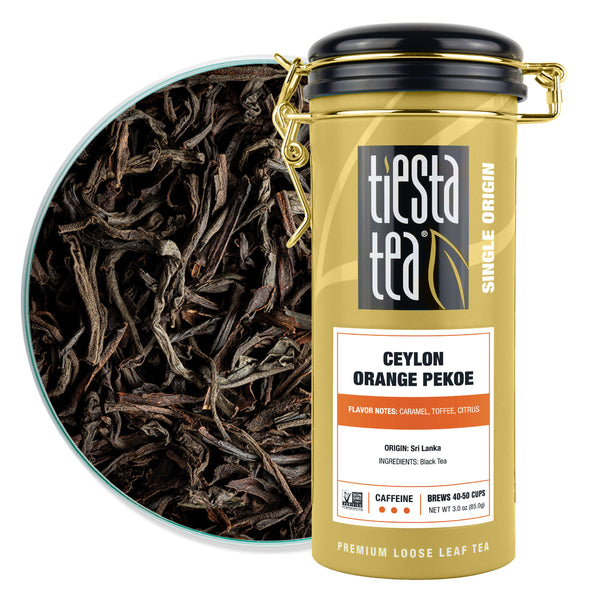
Darjeeling tea from India is light and floral. Assam tea has a strong, malty flavor. Chinese green teas like Longjing taste fresh and grassy. Japanese matcha is rich and slightly bitter. Kenyan teas often have a bright, fruity taste. Each variety shows its region’s style and weather.
Tasting Notes And Aroma
Single origin teas offer distinct aromas. Some smell sweet, like honey or flowers. Others carry notes of nuts or spices. The taste can be smooth, bold, or crisp. Pay attention to the aftertaste. It often reveals hidden flavors. Smelling the dry leaves helps guess the taste. Brewing tea releases its true aroma. Tasting slowly lets you notice all details.
Health Benefits Of Single Origin Tea
Single origin tea offers more than just a unique flavor. It also provides many health benefits. These teas come from specific regions, keeping their natural qualities intact. Drinking single origin tea supports overall well-being in gentle, natural ways.
Its health effects come from the way it is grown and processed. The pure environment helps retain important nutrients. These nutrients work together to help the body stay strong and clear.
Antioxidant Properties
Single origin tea contains powerful antioxidants. These help fight free radicals in the body. Free radicals can cause cell damage and aging. Antioxidants slow down this damage and protect cells. Drinking this tea regularly may reduce the risk of some diseases.
Impact On Mental Clarity And Focus
Natural compounds in single origin tea improve brain function. They support better focus and alertness. The moderate caffeine level gives a gentle energy boost. L-theanine, an amino acid in the tea, helps calm the mind. This balance improves mental clarity without jitters.
Support For Heart Health
Single origin tea supports a healthy heart. It helps improve blood flow and lower bad cholesterol. Regular tea drinking may reduce blood pressure levels. These effects help protect the heart and reduce risks of heart disease. The tea’s natural ingredients promote good cardiovascular health.
Brewing Techniques For Best Flavor
Brewing single origin tea well brings out its unique flavors. Each type of tea needs a special touch to taste its best. Small changes in brewing can make a big difference. Careful attention to water temperature and steeping time helps you enjoy every note of the tea. Traditional methods add a nice ritual and respect to the process. These steps help you connect with the tea and its story.
Water Temperature And Steeping Time
Water temperature is key to good tea. Too hot water burns leaves, causing bitterness. Too cool water stops flavors from releasing. Green teas need water around 160-180°F (70-80°C). Black teas do better with hotter water, near 200°F (93°C). Steeping time controls how strong the tea tastes. Short steeping keeps tea light and fresh. Longer steeping makes the flavor strong but can add bitterness. Start with 2-3 minutes and adjust to your taste.
Using Traditional Methods
Traditional brewing honors the tea’s origin and culture. Using a gaiwan or clay pot can enhance flavor. These tools allow better control over temperature and steeping. Pour water gently over leaves to avoid breaking them. Multiple short steeps let you taste new flavors each time. This slow process brings calm and focus. It turns tea making into a simple, peaceful ritual.
Sourcing And Sustainability
Sourcing and sustainability are key to quality single origin tea. The way tea leaves are grown affects flavor and the environment. Sustainable methods protect the land and help communities thrive. Understanding these practices helps you appreciate every cup.
Ethical Farming Practices
Ethical farming means growing tea without harming nature. Farmers avoid harmful chemicals and use natural fertilizers. They keep soil healthy and water clean. This protects wildlife and keeps the land fertile for years.
Workers receive fair wages and safe conditions. Respect for people and nature guides every step. This care shows in the tea’s rich taste and aroma.
Supporting Small Tea Growers
Many single origin teas come from small farms. Buying from these growers helps families and villages. They use traditional methods passed down for generations.
Small farms focus on quality, not quantity. Supporting them means preserving unique tea flavors. It also helps local economies grow stronger and fairer.
Frequently Asked Questions
What Is Single Origin Tea?
Single origin tea comes from one specific location or estate. It highlights unique flavors tied to that area’s climate and soil. This tea offers distinct taste profiles compared to blended teas.
How Does Single Origin Tea Differ From Blends?
Single origin tea is sourced from one region, while blends mix leaves from multiple areas. This difference creates unique, consistent flavors in single origin tea. Blends aim for balanced, uniform taste.
Why Choose Single Origin Tea?
Choosing single origin tea ensures authentic flavor and quality. It supports sustainable farming and traceability. Tea lovers enjoy its unique, rich taste and distinct aroma.
Where Are Popular Single Origin Teas Grown?
Popular single origin teas come from China, India, Sri Lanka, and Japan. Each region offers unique tea types and flavor profiles. These places are renowned for high-quality tea production.
Conclusion
Single origin tea offers a pure taste from one place. It shows the unique flavors of its region. Each cup tells a story of soil and climate. Drinking it helps you enjoy tea’s natural charm. Try different types to find your favorite.
Simple, fresh, and full of character. A small sip can bring big joy. Explore single origin tea and taste nature’s gift.