
Are you curious about discovering new flavors and aromas in your tea? A tea tasting set can transform your everyday cup into an exciting experience.
Imagine savoring a variety of teas, each with its unique taste and story, all in one place. Whether you’re a beginner or a seasoned tea lover, having the right tools makes all the difference. You’ll find out how a tea tasting set can elevate your tea moments and help you explore the rich world of tea like never before.
Keep reading to unlock the secrets behind the perfect tea tasting experience tailored just for you.
Choosing The Right Tea Tasting Set
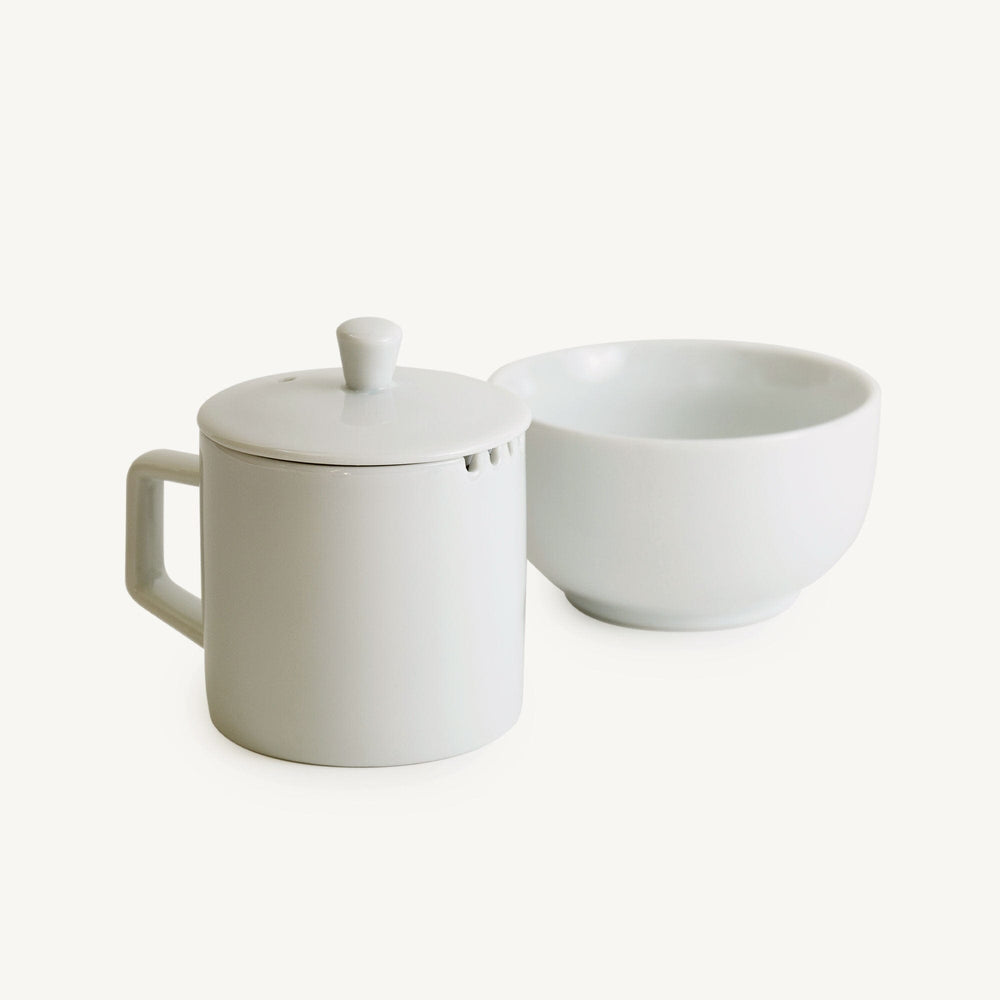
Choosing the right tea tasting set can make all the difference in your tea experience. The right set not only fits your taste but also enhances how you enjoy each sip. Think about what matters most to you—whether it’s design, material, or size—and use that to guide your choice.
Essential Components
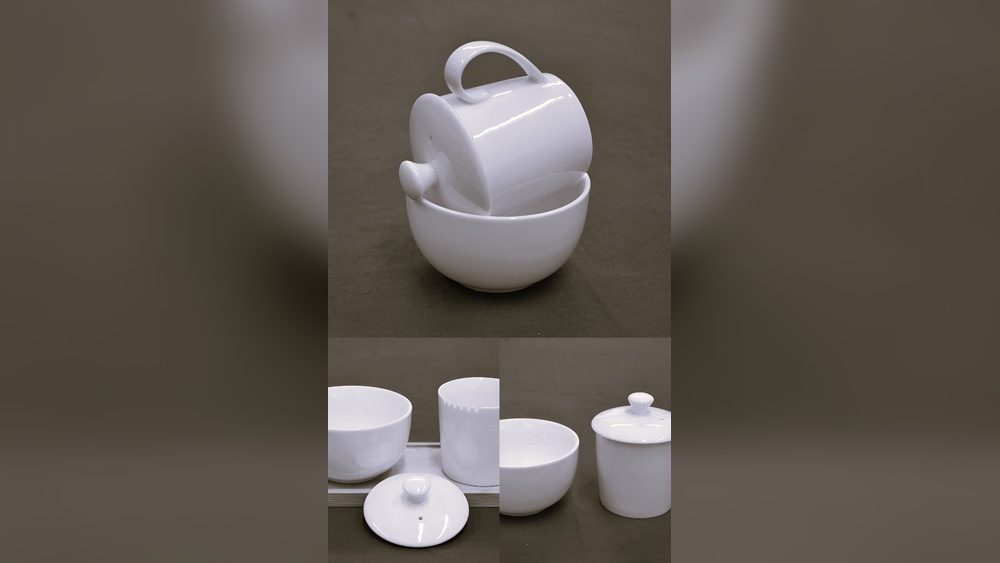
A good tea tasting set usually includes a few key pieces. Look for a small teapot or gaiwan, tasting cups, and a tray to catch spills. Some sets add strainers or pitchers, which help you pour without oversteeping.
Think about how you like to taste tea. Do you prefer multiple small cups to compare flavors side by side? Or do you need a set that’s easy to carry for tastings on the go? Knowing this will help you pick components that suit your style.
Material Matters
The material of your tea set affects both taste and durability. Porcelain and glass are popular because they don’t absorb flavors, letting you enjoy pure tastes. Yixing clay, on the other hand, absorbs tea flavors over time and can add depth to your brew.
Consider how much care you want to give your set. Glass and porcelain are easier to clean, while Yixing requires seasoning and dedicated use. What kind of maintenance fits your routine?
Set Sizes And Varieties
Tea tasting sets come in many sizes—from compact two-cup sets to larger collections with six or more cups. If you often taste with friends or family, a bigger set may be worth it.
Also, some sets focus on specific teas like green or black, while others are more versatile. Choosing the right size and variety helps you avoid clutter and keeps your tea rituals enjoyable.
Preparing For A Tea Tasting
Preparing for a tea tasting is a delightful step that sets the mood. It helps to enjoy each tea’s unique flavor and aroma fully. Proper preparation makes the tasting more fun and educational.
Selecting Teas To Sample
Choose a variety of teas to explore different flavors. Include black, green, white, and herbal teas for contrast. Pick fresh, high-quality teas to get the best taste. Limit the number to five or six to avoid overwhelming your palate.
Brewing Techniques
Use clean water and the right temperature for each tea. Steep the tea for the suggested time to avoid bitterness. Use separate cups or pots for each tea to keep flavors pure. Measuring tea leaves accurately ensures consistent taste.
Setting The Tasting Environment
Find a quiet place free from strong smells and distractions. Use plain cups and a neutral table setting to focus on the tea. Provide water and plain crackers to cleanse the palate between samples. Good lighting helps to see the tea’s color clearly.
Tasting Techniques
Tea tasting is more than drinking tea. It is about exploring its qualities carefully. Using the right techniques helps you understand tea better. These techniques focus on aroma, flavor, texture, and aftertaste. Each step reveals new details and makes tea tasting enjoyable.
Evaluating Aroma
Smell is the first sense to engage in tea tasting. Gently swirl the tea in your cup to release its scent. Take a slow, deep breath through your nose. Notice if the aroma is floral, fruity, or earthy. The aroma sets the mood for the flavor to come.
Assessing Flavor Profiles
Take a small sip and let the tea cover your tongue. Notice the taste as it spreads through your mouth. Identify if it is sweet, bitter, sour, or salty. Try to spot subtle notes like spices or herbs. Each flavor adds to the tea’s unique character.
Noticing Texture And Aftertaste
Focus on how the tea feels on your tongue. Is it smooth, thick, or light? The texture can change the tasting experience. After swallowing, pay attention to the aftertaste. Some teas leave a clean finish, others a lingering sweetness or bitterness. This final sensation tells a lot about the tea’s quality.
Pairing Tea With Food
Pairing tea with food creates a richer tasting experience. The right tea can bring out new flavors in your meal. It can also cleanse your palate between bites. Exploring different combinations can be fun and delicious.
Complementary Flavors
Choose teas that match the flavors of your food. Light teas go well with mild dishes. Strong teas pair better with rich or spicy foods. The goal is balance, not overpowering tastes.
For example, green tea suits fresh salads and seafood. Black tea works well with roasted meats and desserts. Matching tea and food flavors makes each bite better.
Enhancing The Experience
Tea adds warmth and depth to your meal. Sipping tea slows down eating, letting you enjoy flavors more. The aroma of tea also enhances your senses. This makes meals more relaxing and satisfying.
Serving tea at the right temperature improves taste. Hot tea wakes up your palate. Cooler tea offers a refreshing contrast to spicy foods.
Popular Food Pairings
Try green tea with sushi or light cheeses. Oolong tea pairs nicely with grilled chicken or nuts. Black tea is great with chocolate, cakes, or fried dishes. Herbal teas match fruit desserts and salads.
Experiment with these common pairings to find your favorites. Small changes create new taste experiences. Tea tasting sets help explore these options easily.
Caring For Your Tea Tasting Set
Caring for your tea tasting set helps keep its beauty and function. Proper care ensures every cup tastes fresh and pure. Clean and store your set right to avoid damage and stains.
Cleaning Tips
Wash your tea tasting set after each use. Use warm water and mild soap. Avoid harsh chemicals that can damage the material. Rinse well to remove all soap residue. Dry with a soft cloth to prevent water spots. For stubborn stains, soak in warm water for a few minutes.
Storage Recommendations
Store your tea tasting set in a dry place. Avoid direct sunlight to prevent fading. Keep it away from strong odors to maintain tea flavor purity. Use a padded box or cloth bag for extra protection. Arrange items so they do not touch each other to avoid scratches.
Maintaining Longevity
Handle your tea tasting set gently. Avoid sudden temperature changes that cause cracks. Use your set regularly to keep it in good shape. Check for chips or cracks and repair if needed. Proper care helps your set last for years. Enjoy every tasting with a well-kept set.

Exploring Tea Varieties
Exploring tea varieties opens a world of flavors and aromas. Each type of tea offers a unique experience. A tea tasting set helps discover these differences easily. It allows sampling small amounts of many teas. This way, you find your favorite without buying big packs.
Tea varieties come from different leaves and processing methods. Their taste changes with how they are grown and brewed. Trying various teas expands your knowledge and enjoyment.
Green And White Teas
Green tea is light and fresh. It has a mild grassy taste and low bitterness. White tea is even gentler. It feels smooth and slightly sweet. Both teas keep most natural nutrients. They have less caffeine than darker teas. Perfect for a calm and healthy drink.
Black And Oolong Teas
Black tea has a strong, bold flavor. It often tastes rich with hints of malt or chocolate. Oolong tea stands between green and black teas. Its flavor varies from floral to fruity. It can be light or thick. Both types have more caffeine. Great for a morning energy boost.
Herbal And Specialty Blends
Herbal teas are not from tea leaves. They use flowers, herbs, or fruits. These teas have no caffeine. Many have calming or refreshing effects. Specialty blends mix different herbs and teas. They create unique tastes and aromas. Ideal for those who want new flavors.
Frequently Asked Questions
What Is A Tea Tasting Set?
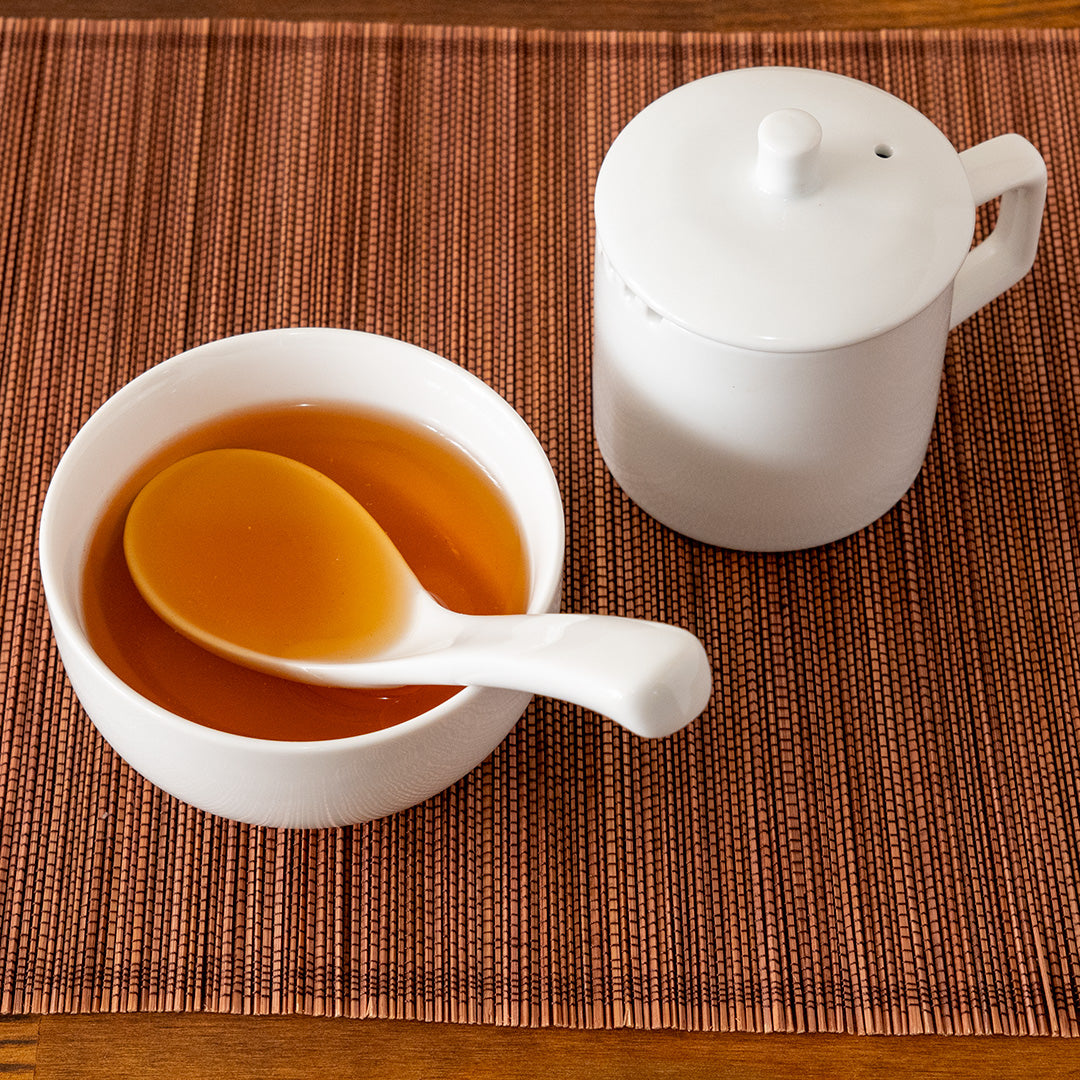
A tea tasting set is a collection of tools for sampling different teas. It includes cups, spoons, and trays. It helps identify flavors and aromas. Tea lovers use it to enhance their tasting experience.
How To Use A Tea Tasting Set Properly?
Start by brewing small amounts of various teas. Use separate cups for each tea. Smell the aroma before tasting. Note flavors and textures carefully. Clean tools between tastings to avoid mixing flavors.
What Are The Benefits Of A Tea Tasting Set?
A tea tasting set improves your palate and appreciation for tea. It helps distinguish subtle flavors and aromas. It also enhances social tea experiences. Perfect for tea enthusiasts and professionals alike.
Can Beginners Use A Tea Tasting Set?
Yes, beginners can use tea tasting sets easily. They guide you through the tasting process. Sets provide all necessary tools for learning. Beginners gain confidence in identifying tea qualities.
Conclusion
A tea tasting set brings joy to tea lovers everywhere. It helps you discover new flavors and aromas with ease. Sharing tea with friends becomes a special experience. Each cup tells a different story to enjoy. Simple tools make tea tasting fun and relaxing.
Try different teas to find your favorite blend. A tea tasting set invites calm and curiosity. Perfect for those who love to explore tea. Enjoy the peaceful moments with every sip.