
Are you curious about black tea and what it really does for your body and mind? Black tea is one of the most popular drinks worldwide, enjoyed by millions every day.
But before you pour yourself another cup, it’s important to know both the good and the not-so-good sides of black tea. Understanding its advantages and disadvantages can help you make smarter choices for your health and lifestyle. Keep reading to discover how black tea can boost your energy, support your heart, but also what to watch out for if you drink it too much.
This simple knowledge could change the way you enjoy your favorite brew!

Credit: nuvovivo.com
Benefits Of Black Tea
Black tea is a popular drink enjoyed worldwide. It offers many health benefits that support overall well-being. Drinking black tea regularly can help improve different body functions. It has natural compounds that help keep the body healthy.
Boosts Heart Health
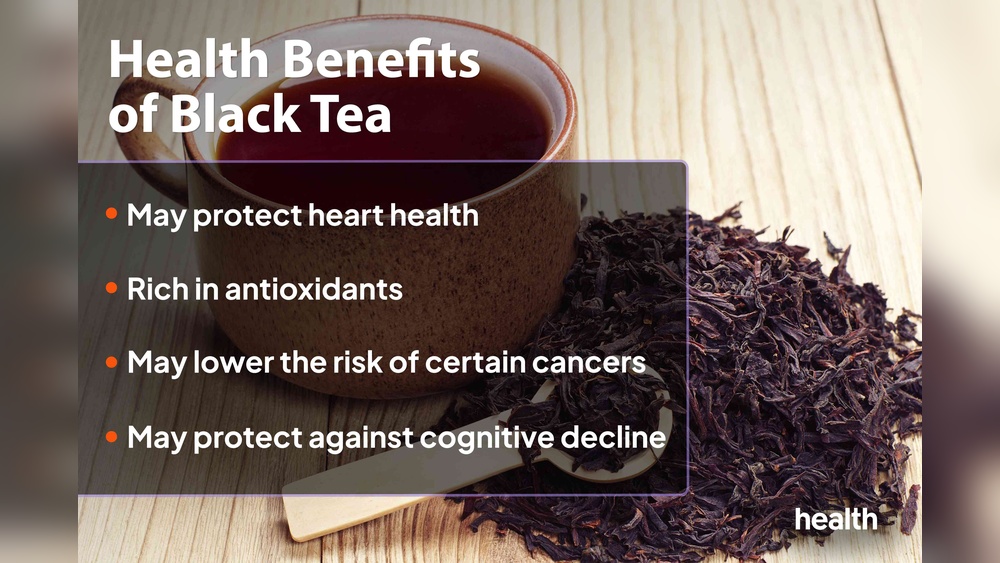
Black tea helps keep the heart strong. It may lower bad cholesterol levels in the blood. This reduces the risk of heart disease. The flavonoids in black tea improve blood vessel function. Healthy blood flow means a healthier heart.
Enhances Mental Alertness
Caffeine in black tea helps improve focus and alertness. It wakes up the brain and reduces tiredness. Drinking black tea can increase concentration. It also helps with better memory and quick thinking.
Supports Digestive Health
Black tea aids digestion by promoting good gut bacteria. It can reduce stomach problems like bloating and cramps. The tannins in black tea soothe the digestive tract. This helps the stomach work more smoothly.
Rich In Antioxidants
Black tea contains antioxidants that protect the body from damage. These antioxidants fight harmful free radicals. They may lower the risk of some diseases. Antioxidants also help slow aging and keep cells healthy.
Potential Drawbacks
Black tea offers many health benefits, but it also has some drawbacks. Knowing these can help you enjoy it safely. Some effects depend on how much you drink and your body’s reactions. Let’s explore the main potential drawbacks of black tea.
Contains Caffeine
Black tea has caffeine, a natural stimulant. Too much caffeine can cause restlessness and sleep problems. People sensitive to caffeine may feel jittery or anxious. Drinking black tea late in the day can affect sleep quality. Limit intake if you notice these effects.
May Cause Stomach Issues
Black tea is acidic and can irritate the stomach lining. Some people may feel stomach pain or nausea after drinking it. Drinking black tea on an empty stomach might worsen these issues. Avoid large amounts if you have a sensitive stomach or ulcers.
Possible Impact On Iron Absorption
Compounds in black tea can reduce iron absorption from food. This is important for people with low iron or anemia. Drinking black tea with meals may lower iron uptake. To prevent this, drink tea between meals instead of during meals.
Risk Of Overconsumption
Drinking too much black tea can lead to negative side effects. High caffeine intake can cause headaches and rapid heartbeat. Excessive tea drinking may also lead to kidney stones due to oxalates. Stick to moderate amounts to avoid these risks.
Comparing Black Tea With Other Teas
Black tea is one of the most popular teas worldwide. It stands out from green, white, and oolong teas in many ways. Knowing how black tea compares helps you choose the best tea for your taste and health needs. This section looks at caffeine levels, antioxidants, and flavor differences among teas.
Differences In Caffeine Levels
Black tea usually has more caffeine than green and white teas. A cup of black tea can contain 40 to 70 mg of caffeine. Green tea has about 20 to 45 mg. White tea often has even less. Oolong tea falls between green and black tea in caffeine content. Higher caffeine can boost alertness but may cause jitters in sensitive people.
Variation In Antioxidant Content
All teas have antioxidants that fight damage in the body. Black tea has unique antioxidants called theaflavins and thearubigins. Green tea contains catechins, which are powerful antioxidants. White tea has the highest amount of antioxidants because it is least processed. Oolong tea has a mix of antioxidants from both green and black teas. Each tea offers different health benefits due to these variations.
Flavor And Preparation
Black tea has a strong, bold flavor. It often tastes malty or slightly bitter. Green tea is lighter and more grassy. White tea is very mild and delicate. Oolong tea has a floral and fruity taste. Preparation also varies. Black tea is brewed with boiling water for 3 to 5 minutes. Green and white teas need cooler water and shorter steeping to avoid bitterness. Oolong tea requires careful brewing to bring out its complex flavors.
:max_bytes(150000):strip_icc()/HDC-Text-Overlay-horiz-Black-Tea-311eb4fb9c5343b2b36f8adfc3afca85.jpg)
Credit: www.health.com
Tips For Enjoying Black Tea
Black tea offers a rich flavor and many health benefits. To enjoy it fully, following a few simple tips helps. These tips improve taste and make the experience better. Understanding how to brew, when to drink, and what to eat with black tea enhances your enjoyment.
Optimal Brewing Techniques
Use fresh, cold water for the best taste. Heat water to about 95°C (203°F). Steep tea leaves for 3 to 5 minutes. Too long makes tea bitter. Use one teaspoon of tea per cup. A proper brew brings out strong, smooth flavors.
Best Times To Drink
Drink black tea in the morning for energy. It helps you wake up and focus. Avoid drinking it late at night. The caffeine can keep you awake. After meals is a good time. It aids digestion and refreshes the palate.
Pairing With Food
Black tea pairs well with many foods. Try it with breakfast items like toast or eggs. It also goes well with spicy dishes. Sweet treats like cookies or cakes match nicely. The bold flavor balances rich and sweet tastes.

Credit: teameteas.com
Frequently Asked Questions
What Are The Main Health Benefits Of Black Tea?
Black tea contains antioxidants that improve heart health and reduce cholesterol. It boosts metabolism and enhances focus. Regular consumption may lower the risk of diabetes and improve gut health.
Does Black Tea Have Any Side Effects?
Black tea can cause insomnia or jitteriness due to caffeine. Excess intake may lead to digestive issues. People sensitive to caffeine should limit their consumption for safety.
How Does Black Tea Compare To Green Tea?
Black tea has a stronger flavor and higher caffeine than green tea. It undergoes full oxidation, unlike green tea. Both offer antioxidants but with different health benefits.
Can Black Tea Aid In Weight Loss?
Black tea may support weight loss by boosting metabolism and fat breakdown. It also improves digestion and reduces appetite. However, it should be combined with a balanced diet and exercise.
Conclusion
Black tea offers many health benefits and a rich flavor. It can boost energy and improve focus. Drinking it in moderation helps avoid side effects like sleep problems. Some people may feel jittery or have stomach upset. Choosing the right amount suits your body best.
Enjoying black tea can be part of a healthy routine. Balance is key to gaining benefits without risks. Try it and see how it works for you.