
Have you ever wondered what happens if you drink too much tea and coffee? Maybe you rely on these drinks to keep you alert and energized throughout the day.
But what if your daily habit is actually doing more harm than good? Understanding how excess tea and coffee affect your body can help you make smarter choices. Keep reading to discover the surprising effects and learn how to enjoy your favorite drinks without risking your health.

Credit: www.teamiblends.com
Caffeine Content In Tea And Coffee
Caffeine is the main reason people drink tea and coffee. It wakes you up and helps you focus. But too much caffeine can cause problems. Knowing how much caffeine is in tea and coffee helps you control your intake. The amount of caffeine varies a lot. It depends on many things. Let’s explore the caffeine content in tea and coffee.
Comparing Caffeine Levels
Coffee usually has more caffeine than tea. A cup of coffee has about 95 mg of caffeine. A cup of black tea has around 47 mg. Green tea has even less, about 28 mg per cup. Some teas like matcha can have higher caffeine. But in general, coffee has nearly twice the caffeine of tea.
Espresso shots have more caffeine per ounce but are smaller in size. Drinking espresso means less liquid but still a strong caffeine hit. Tea’s caffeine is milder but can add up if you drink many cups. Both drinks give you caffeine, but coffee is stronger per cup.
Factors Affecting Caffeine Amounts
Several things change caffeine levels in tea and coffee. The type of coffee bean or tea leaf matters. Robusta coffee beans have more caffeine than Arabica beans. Black teas usually have more caffeine than green or white teas.
How you brew also matters. Hotter water and longer brewing make more caffeine. For coffee, espresso uses pressure and short time but extracts caffeine fast. For tea, steeping time changes caffeine content. More steeping means more caffeine.
Serving size is important too. A large cup has more caffeine than a small cup. Even the brand and preparation method can cause differences. Be aware of these factors to manage your caffeine intake well.
Short-term Effects Of Excess Consumption
Drinking too much tea and coffee can cause several short-term effects. These effects can affect your body and mind quickly. Understanding these helps you know why moderation is important.
Increased Heart Rate
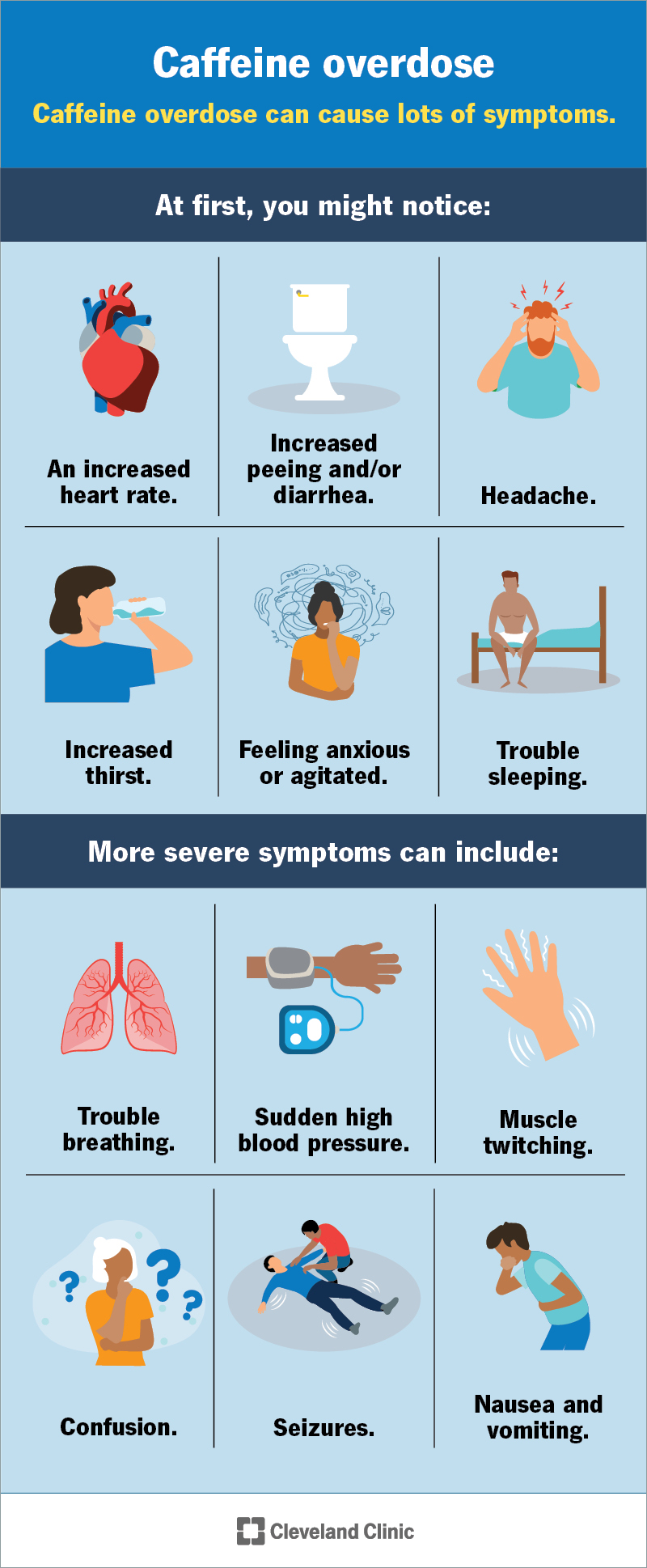
Tea and coffee contain caffeine, a natural stimulant. Caffeine speeds up your heart rate. This can cause a feeling of your heart pounding or racing. Some people may feel uncomfortable or dizzy. A fast heartbeat can also increase blood pressure temporarily.
Anxiety And Restlessness
Too much caffeine can make you feel anxious or nervous. It can cause restlessness and trouble focusing. You might feel jittery or tense without a clear reason. These feelings can make it hard to relax or sleep well. Anxiety from caffeine is often stronger in sensitive individuals.
Digestive Issues
High caffeine intake can upset your stomach. It may cause nausea, cramps, or acid reflux. Both tea and coffee increase acid production in the stomach. This can lead to discomfort or indigestion. Drinking a lot on an empty stomach can worsen these issues.
Long-term Health Consequences
Drinking tea and coffee every day can affect your health over time. Small amounts may boost energy and focus. Too much can cause problems that build up slowly. Understanding these long-term effects helps you make smart choices about how much to drink.
Impact On Bone Health
High caffeine intake can reduce calcium absorption in the body. This may weaken bones and increase the risk of fractures. People who drink a lot of tea or coffee need more calcium from food or supplements. Strong bones need good nutrition and less caffeine.
Effects On Sleep Patterns
Caffeine stays in the body for hours after drinking. It blocks signals that tell your brain to sleep. Drinking too much tea or coffee can cause trouble falling asleep. Poor sleep leads to tiredness and lower focus during the day. Regular sleep is important for good health and mood.
Risk Of Addiction
Caffeine is addictive and can cause dependence. Your body may need more caffeine to feel awake over time. Stopping suddenly can lead to headaches, irritability, and tiredness. Drinking less or taking breaks helps avoid addiction and keeps caffeine’s effects balanced.
Credit: my.clevelandclinic.org
Effects On Mental Health
Drinking too much tea and coffee can affect mental health in several ways. Both drinks contain caffeine, a stimulant that impacts the brain. While caffeine can boost alertness, too much can cause problems. It can change your mood and affect how well your brain works. Understanding these effects helps you make better choices about your tea and coffee intake.
Mood Swings And Irritability
Caffeine can cause mood swings by affecting brain chemicals. Too much caffeine raises anxiety levels quickly. This can make you feel restless or nervous. Irritability is common after drinking large amounts of tea or coffee. Your body may react with sudden anger or frustration. These mood changes can happen even with small caffeine increases over time.
Cognitive Impairment
High caffeine intake may reduce focus and memory. Overuse can lead to confusion and slower thinking. Some people find it hard to concentrate after too much tea or coffee. Sleep problems from caffeine also hurt brain function. Without good rest, your brain struggles to perform well. Cognitive issues can affect daily tasks and learning.
Dehydration And Nutrient Absorption
Drinking too much tea and coffee affects hydration and nutrient absorption. Both drinks contain caffeine, which changes how the body handles water and minerals. This can lead to dehydration and nutrient shortages. Understanding these effects helps you make better choices about your daily drinks.
Diuretic Effects
Caffeine acts as a natural diuretic. It makes the kidneys remove more water through urine. Drinking large amounts of tea or coffee can increase fluid loss. This causes your body to lose water faster than normal. Dehydration can follow if you don’t drink enough water alongside. Symptoms include dry mouth, tiredness, and dizziness. Staying hydrated means balancing your drinks with water.
Interference With Mineral Absorption
Tea and coffee can reduce how well your body absorbs minerals. Compounds like tannins bind to iron and calcium in food. This makes these minerals harder to absorb in the gut. Low iron absorption can cause anemia and weakness. Calcium interference may affect bone health over time. Drinking these drinks with meals increases this effect. Try to drink tea or coffee between meals to protect nutrient absorption.

Credit: www.youtube.com
Safe Consumption Limits
Tea and coffee are popular drinks worldwide. They can boost energy and improve focus. But drinking too much can cause health problems. Knowing safe consumption limits helps enjoy these drinks without harm.
Each person’s tolerance to caffeine varies. Some handle more caffeine than others. Staying within safe limits reduces risks like jitteriness or sleep issues.
Recommended Daily Intake
The general safe caffeine limit is about 400 milligrams per day. This equals roughly four cups of brewed coffee or six cups of tea. Pregnant women should limit caffeine to 200 milligrams daily. Children and teens need even less caffeine to stay healthy. Keep track of all caffeine sources to avoid going over the limit.
Signs You Should Cut Back
Feeling nervous or restless may mean too much caffeine. Trouble sleeping or waking up often is another sign. Rapid heartbeat or headaches can happen after high caffeine intake. Stomach upset or frequent bathroom trips also warn of excess caffeine. If these happen, reduce your tea and coffee intake immediately.
Tips To Reduce Intake
Drinking too much tea and coffee can cause jitters, sleep problems, and stomach pain. Reducing intake helps avoid these issues. Changing habits takes time and effort. Small steps make the process easier and more successful.
Alternatives To Tea And Coffee
Try herbal teas like chamomile or peppermint. These have no caffeine and taste good. Warm water with lemon refreshes and hydrates. Fruit-infused water adds flavor without caffeine. Green tea has less caffeine than black tea or coffee. Choose drinks that suit your taste and keep you calm.
Gradual Reduction Strategies
Cut down one cup at a time each day. Replace one coffee or tea with water or herbal drink. Use smaller cups to drink less without feeling deprived. Slowly lower the strength of your tea or coffee. Set a daily limit and stick to it. Track your intake to stay aware and motivated.
Frequently Asked Questions
What Are The Side Effects Of Drinking Too Much Tea?
Excessive tea intake can cause insomnia, headaches, and stomach upset. High caffeine levels may increase heart rate and anxiety. Overconsumption might also lead to iron absorption issues and dehydration. Moderation is key to avoid these negative effects.
Can Too Much Coffee Cause Health Problems?
Yes, drinking too much coffee can lead to insomnia, jitteriness, and increased heart rate. It may also cause digestive issues and raise blood pressure. Long-term overconsumption could contribute to anxiety and dependence on caffeine.
How Much Tea And Coffee Is Safe Daily?
Experts recommend limiting caffeine intake to 400 mg daily, roughly four cups of coffee or tea. Individual tolerance varies, so monitoring your body’s response is important. Staying within this limit helps avoid negative health effects.
Does Too Much Caffeine Affect Sleep Quality?
High caffeine consumption can disrupt sleep patterns and reduce sleep quality. It may cause difficulty falling asleep and frequent awakenings. Avoid caffeine at least six hours before bedtime for better rest.
Conclusion
Drinking too much tea and coffee can cause health problems. Too much caffeine may lead to restlessness and sleep issues. Stomach pain and headaches might also appear. Balance is key to enjoying these drinks safely. Choose water or herbal teas sometimes.
Listen to your body’s signals carefully. Enjoy your favorite drinks, but don’t overdo it. Staying healthy feels better every day.