
Have you ever wondered what sets black tea apart from Earl Grey? If you’re a tea lover or just curious, understanding the difference can change the way you enjoy your cup.
Both teas look similar, but the flavors, aromas, and even the way they’re made are quite distinct. Knowing these differences helps you pick the perfect tea for your mood or occasion. Keep reading, and you’ll discover simple facts that make your tea time even better.
Black Tea Basics
Black tea is one of the most popular teas worldwide. It comes from the Camellia sinensis plant. The leaves are fully oxidized, giving black tea its dark color. This oxidation also creates a strong and rich flavor. Black tea is the base for many other flavored teas, including Earl Grey.
Understanding black tea helps you appreciate the subtle differences between it and Earl Grey. Each black tea has unique tastes and benefits. Let’s explore the basics of black tea to see what sets it apart.
Types Of Black Tea
There are many types of black tea. Assam from India is bold and malty. Darjeeling offers a light and fruity taste. Ceylon tea from Sri Lanka is bright and citrusy. Each region’s climate and soil affect the tea’s flavor. These variations make black tea diverse and interesting.
Flavor Profiles
Black tea flavors range from sweet to smoky. Some teas taste like dried fruit or honey. Others have spicy or nutty notes. The strong taste often pairs well with milk or sugar. The flavor depends on how leaves are processed and brewed.
Health Benefits
Black tea contains antioxidants called polyphenols. These help protect cells from damage. Drinking black tea may improve heart health. It can also boost focus and alertness because of caffeine. Black tea supports digestion and may reduce stress.

Credit: www.readeighty.com
Earl Grey Essentials
Earl Grey is a special type of tea with a unique flavor. It stands apart from regular black tea because of its distinct ingredients and aroma. Understanding Earl Grey helps you appreciate its charm and why many enjoy it worldwide.
This section covers the basics of Earl Grey, including its origin, key ingredients, and taste. Learn what makes Earl Grey different and special.
Origins And History
Earl Grey tea is named after Charles Grey, a British Prime Minister in the 1830s. The tea blend was created to suit the water in his home. It became popular in England and spread globally. This tea has a rich history tied to British culture and tradition.
Key Ingredients
Earl Grey starts with black tea leaves as its base. The unique element is oil from the bergamot orange. This oil gives the tea its famous citrusy flavor. No other tea uses bergamot oil in this way. This simple addition creates a special taste experience.
Aroma And Taste
The smell of Earl Grey is fresh and citrusy. It feels bright and uplifting. The taste blends the strong flavor of black tea with the sharpness of bergamot. It is smooth, with a hint of sweetness and a slight bitterness. Many find it refreshing and soothing.
Comparing Flavor Notes
Black tea and Earl Grey are popular choices worldwide. Both come from the same tea leaves but taste very different. The main difference lies in their flavors. Black tea has a strong, rich taste. Earl Grey adds a bright, fresh twist with citrus. This section compares their flavor notes to help you understand each better.
Black Tea Taste Characteristics
Black tea has a bold, robust flavor. It often tastes malty or slightly sweet. Some types have smoky or earthy hints. The taste can be strong or smooth. It feels warm and full in the mouth. Black tea is simple and classic. It pairs well with milk and sugar.
Earl Grey Citrus Notes
Earl Grey is black tea with a citrus twist. It has a bright, zesty flavor from bergamot oil. The citrus adds freshness and lightness. This aroma smells floral and slightly spicy. It balances the strong black tea base well. Earl Grey tastes lively and refreshing. Perfect for those who like a unique tea flavor.
Brewing Techniques
Brewing black tea and Earl Grey requires care to bring out their best flavors. Each type has unique qualities that need different water temperatures and steeping times. Getting these details right makes your cup taste richer and smoother. Here, we explore the best brewing techniques for both.
Optimal Brewing For Black Tea
Use fresh, boiling water around 212°F (100°C) for black tea. Pour the hot water over the tea leaves immediately. Steep the tea for 3 to 5 minutes. This helps release the strong, bold flavors black tea is known for. Avoid steeping too long to prevent bitterness. Use about one teaspoon of tea leaves per cup. Strain the leaves after steeping to stop the brewing process.
Best Practices For Earl Grey
Earl Grey needs slightly cooler water, about 200°F (93°C). This preserves the delicate bergamot flavor. Steep for 2 to 4 minutes for the perfect balance. Use one teaspoon of leaves per cup. Avoid over-steeping to keep the citrus notes fresh. Pour the water over the leaves gently. Remove the leaves promptly to avoid a bitter taste.
Health Considerations
Health matters a lot when choosing your tea. Black tea and Earl Grey both have benefits and differences. Understanding these can help you pick the best option for your body and lifestyle.
Caffeine Content Comparison
Black tea has a moderate amount of caffeine. It usually contains about 40 to 70 mg per cup. Earl Grey is made from black tea leaves, so it has similar caffeine levels. The bergamot oil in Earl Grey does not change caffeine content. Both teas can give you a gentle energy boost. Too much caffeine may cause jitters or sleep problems. People sensitive to caffeine might want to limit their intake.
Antioxidant Properties
Both black tea and Earl Grey have antioxidants. These help protect your body from damage by free radicals. Black tea is rich in polyphenols, which support heart health. Earl Grey contains these too, plus bergamot adds extra antioxidants. Bergamot oil may help lower cholesterol and reduce inflammation. Drinking either tea regularly can support your immune system. Antioxidants also help slow aging and improve skin health.

Credit: theteacupoflife.com
Pairing And Serving
Pairing and serving tea can enhance its flavors and create a better experience. Black tea and Earl Grey have unique tastes, so they match well with different foods and serving styles. Knowing how to pair and serve these teas brings out their best qualities.
Food Pairings For Black Tea
Black tea has a strong, bold flavor. It pairs well with rich and savory foods. Try it with grilled meats or hearty sandwiches. Sweet pastries and chocolate also balance black tea’s bitterness. Breakfast foods like eggs and bacon work great too. Black tea’s strong taste stands up to heavy meals.
Serving Suggestions For Earl Grey
Earl Grey has a light, citrusy flavor from bergamot oil. Serve it with light snacks like scones or shortbread cookies. It goes well with lemon cakes and fruit tarts. Earl Grey tastes best with a splash of milk or a slice of lemon. Avoid strong spices that can hide its delicate aroma. Serve it warm to enjoy its full fragrance.
Choosing Your Tea
Choosing the right tea depends on your mood and time of day. Both black tea and Earl Grey offer rich flavors but suit different moments. Understanding their unique qualities helps you pick the perfect cup. This guide will help you decide when to enjoy each tea.
When To Pick Black Tea
Black tea works well in the morning. It has a strong flavor that wakes you up. The caffeine helps boost your energy. Black tea pairs nicely with breakfast foods. It also fits quiet afternoons when you need focus. Choose black tea for a classic, bold taste.
When To Choose Earl Grey
Earl Grey offers a unique citrus aroma from bergamot oil. It’s lighter and more fragrant than plain black tea. Earl Grey suits afternoon tea times or relaxing moments. Its gentle flavor pairs well with light snacks. Pick Earl Grey when you want a refreshing, soothing drink.
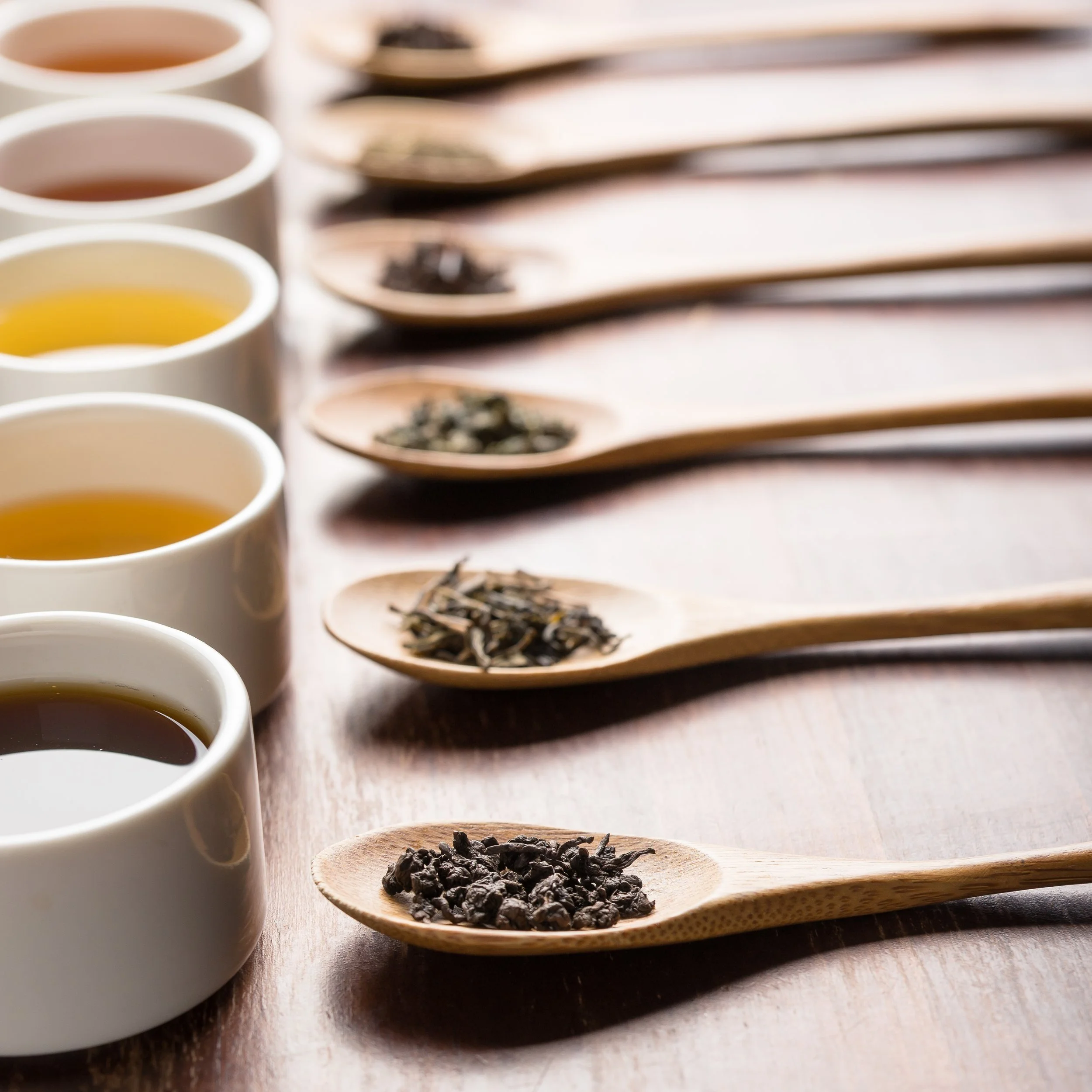
Credit: www.1992sharetea.com
Frequently Asked Questions
What Distinguishes Earl Grey From Regular Black Tea?
Earl Grey is black tea flavored with bergamot oil, giving it a citrus aroma. Regular black tea lacks this flavoring, offering a pure tea taste. This citrus addition makes Earl Grey unique and aromatic compared to traditional black tea.
Is Earl Grey Healthier Than Black Tea?
Both teas have similar antioxidants and caffeine levels. The bergamot in Earl Grey may aid digestion and reduce stress. However, health benefits largely depend on individual tea quality and consumption habits, making both teas beneficial in moderation.
Can I Use Black Tea Instead Of Earl Grey?
Yes, but black tea lacks bergamot’s distinct citrus flavor. Using black tea will change the taste profile of recipes or drinks calling for Earl Grey. For authentic flavor, use Earl Grey tea when specified.
How Do Brewing Times Differ For Earl Grey And Black Tea?
Both teas generally brew for 3 to 5 minutes. Overbrewing can cause bitterness in black tea and Earl Grey. To preserve Earl Grey’s delicate citrus notes, avoid steeping longer than recommended.
Conclusion
Black tea and Earl Grey both come from the same tea leaves. The main difference is the flavor. Earl Grey has a hint of bergamot, giving it a citrus taste. Black tea has a stronger, more straightforward taste. Both teas offer a warm, comforting drink.
Choose Earl Grey for a fruity twist. Pick black tea for a classic, bold flavor. Both can be enjoyed hot or cold. Try them both to find your favorite. Simple differences, but each tea has its own charm.