
Have you ever wondered what sets black tea apart from herbal tea? Both are popular choices when you want a warm, comforting drink, but they have some surprising differences that affect their taste, health benefits, and how they make you feel.
Understanding these differences can help you pick the right tea for your mood and needs. Keep reading to discover what makes black tea and herbal tea unique—and which one might become your new favorite.
Origins Of Black Tea
Black tea has a rich history and clear origins. Its journey began centuries ago and spread across many lands. Understanding where black tea comes from helps us appreciate it more.
Black tea is made from the leaves of the Camellia sinensis plant. The difference lies in how the leaves are processed. This process creates its bold flavor and dark color. Exploring its origins reveals how culture and geography shaped black tea.
Historical Background
Black tea first appeared in China around the 17th century. It became popular as a way to preserve tea leaves longer. Traders brought black tea to Europe through the Silk Road and sea routes. It quickly gained fame for its strong taste.
The British played a big role in spreading black tea worldwide. They set up tea plantations in India and Sri Lanka during the 19th century. These plantations helped make black tea more available to many people.
Geographical Sources
Today, black tea mainly grows in China, India, Sri Lanka, and Kenya. Each region produces tea with unique flavors. For example, Assam from India is bold and malty. Darjeeling offers a lighter, fruity taste.
Chinese black teas like Keemun are smooth and fragrant. Sri Lankan Ceylon tea has a bright, citrusy flavor. Kenya produces strong, robust teas often used in blends.
The soil, climate, and altitude in these places impact black tea’s taste and quality. These factors make each black tea distinct and special.
Origins Of Herbal Tea
Herbal tea has a long history that dates back thousands of years. People in many cultures brewed herbs, flowers, and roots to make warm, soothing drinks. These drinks often helped with health and relaxation. Unlike black tea, herbal tea does not come from the Camellia sinensis plant. It comes from a variety of plants, each with unique flavors and benefits.
Common Herbal Ingredients
Herbal teas use many different plants. Chamomile is popular for its calming effect. Peppermint helps with digestion and freshens breath. Hibiscus offers a tart, fruity taste and is rich in antioxidants. Ginger adds a spicy kick and can ease nausea. Lavender is known for its soothing aroma and stress relief. Each herb creates a special tea with its own benefits.
Traditional Uses
Herbal teas often serve more than just taste. Ancient cultures used them to treat colds and stomach aches. Some herbs helped improve sleep or reduce anxiety. Many herbal drinks were part of healing rituals or daily routines. These traditional uses show why herbal tea remains popular today. People value its natural care and gentle effects.
Processing Methods
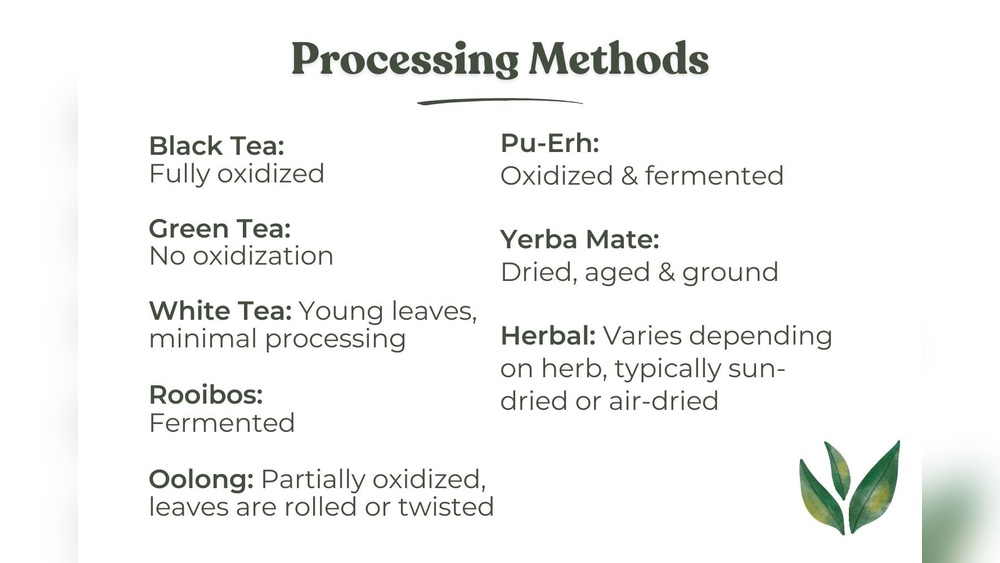
The way black tea and herbal tea are made is very different. Processing affects their flavor, color, and health benefits. Understanding these methods helps you appreciate each tea type more.
Black Tea Production
Black tea starts with fresh tea leaves from the Camellia sinensis plant. Leaves are picked and then allowed to wither. This step reduces moisture and makes leaves soft. Next, leaves are rolled to break their cells. This releases enzymes that start oxidation. Oxidation turns leaves dark and changes flavor. After oxidation, leaves are heated to stop the process. This heating is called firing. Finally, leaves are sorted and packed for sale.
Herbal Tea Preparation
Herbal tea is not made from tea leaves. It uses flowers, roots, seeds, or herbs instead. These plants are dried naturally or with low heat. Drying removes water but keeps natural oils and flavors. Some herbs are crushed or cut before drying. Herbal tea does not undergo oxidation or rolling. To prepare, herbs are steeped in hot water. This releases their aroma and taste. Each herb has its own drying and brewing method.
Flavor Profiles
Flavor profiles show how black tea and herbal tea differ. They offer unique tastes and aromas. Each type brings a special experience to your cup. Knowing these differences helps you choose what suits your mood.
Taste Characteristics Of Black Tea
Black tea has a bold and strong taste. It often tastes slightly bitter or astringent. Some black teas have sweet, malty notes. Others may taste smoky or earthy. The flavor can change with brewing time. Black tea usually has caffeine, adding to its sharpness. Many enjoy its rich and full-bodied flavor.
Aromatic Qualities Of Herbal Tea
Herbal tea smells fresh and fragrant. It comes from flowers, herbs, or fruits. This tea usually has a light, sweet aroma. Common scents include mint, chamomile, or citrus. Herbal teas often smell calming or soothing. They do not contain caffeine, so their aroma feels gentle. The scent invites relaxation and comfort.
Caffeine Content
Caffeine is a natural stimulant found in many drinks. It helps increase alertness and reduce tiredness. The amount of caffeine varies between black tea and herbal tea. This difference affects how each tea influences your energy and mood. Understanding caffeine content helps you choose the right tea for any time of day.
Black Tea Caffeine Levels
Black tea contains caffeine naturally. A cup of black tea usually has 40 to 70 milligrams of caffeine. This amount is less than coffee but enough to boost your focus. The exact caffeine depends on how long you brew the tea. Longer brewing means more caffeine in your cup. Black tea’s caffeine can give you a steady energy lift.
Herbal Tea And Caffeine
Herbal tea mostly has no caffeine. It is made from herbs, flowers, and fruits, not tea leaves. This means herbal tea is naturally caffeine-free. Some herbal blends may have small amounts of caffeine if mixed with real tea leaves. Herbal tea is a good choice if you want to avoid caffeine. It helps relax without causing jitters or sleeplessness.

Credit: www.adagio.com
Health Benefits
Both black tea and herbal tea offer many health benefits. They support the body in different ways. Understanding these benefits helps to choose the best tea for your needs. Each tea type has unique compounds that help your health.
Black Tea Advantages
Black tea contains caffeine that boosts energy and focus. It has antioxidants called polyphenols. These fight free radicals that damage cells. Regular black tea drinking may lower heart disease risk. It can also improve gut health by supporting good bacteria. Black tea helps reduce bad cholesterol levels. Drinking black tea may improve alertness and mental clarity.
Herbal Tea Wellness Effects
Herbal teas come from plants, not tea leaves. They usually have no caffeine. Herbal teas help relax the body and reduce stress. Many have anti-inflammatory properties that ease pain. Herbal blends can support digestion and soothe upset stomachs. Some herbal teas boost the immune system. They also promote better sleep and calm the mind.
Common Varieties
Black tea and herbal tea come in many types. Each type offers unique flavors and benefits. Knowing popular varieties helps you pick the right tea for any mood or occasion. Both teas have rich traditions and diverse options.
Popular Black Tea Types
Black tea is made from the Camellia sinensis plant. It is fully fermented, giving it a bold taste and dark color.
Assam tea is strong and malty. It is perfect for a morning boost.
Darjeeling tea has a light, floral flavor. It is often called the “champagne of teas.”
Ceylon tea is bright and citrusy. It works well with milk or lemon.
English Breakfast is a blend of black teas. It is rich and full-bodied.
Popular Herbal Tea Blends
Herbal teas are made from herbs, flowers, or fruits. They do not contain tea leaves.
Chamomile tea is calming with a sweet, apple-like taste. It helps with sleep.
Peppermint tea is fresh and cool. It soothes digestion and refreshes breath.
Rooibos tea is red and naturally sweet. It is caffeine-free and rich in antioxidants.
Hibiscus tea is tart and fruity. It is good for lowering blood pressure.
Brewing Techniques
Brewing tea is an art that brings out unique flavors and aromas. Black tea and herbal tea need different methods to taste their best. Using the right water temperature and steeping time can change the tea’s character.
Understanding brewing techniques helps enjoy each cup fully. It makes every sip smooth and flavorful. Let’s explore how to brew black tea and herbal tea perfectly.
Ideal Black Tea Brewing
Use fresh water heated to about 200-212°F (93-100°C). Boiling water helps release black tea’s strong, rich flavor. Pour water over tea leaves right after boiling.
Steep for 3 to 5 minutes. Shorter time gives lighter taste. Longer steeping makes it bitter. Remove leaves after steeping to avoid over-extraction.
Use one teaspoon of tea leaves per cup. Use a teapot or infuser for easy brewing. Pre-warm your cup or pot for better temperature control.
Best Practices For Herbal Tea
Use water heated to about 200°F (93°C), slightly cooler than boiling. Herbal tea needs gentle heat to keep delicate flavors. Pour hot water over the herbs slowly.
Steep for 5 to 7 minutes. Herbal tea benefits from longer steeping for full flavor. Check taste at intervals to avoid bitterness.
Use one tablespoon of dried herbs per cup. Use a mesh infuser or tea ball for loose herbs. Cover your cup while steeping to keep heat inside.
Choosing Between Black And Herbal Tea
Choosing between black tea and herbal tea depends on what you want from your drink. Both have unique qualities that suit different moods and needs. Understanding these differences helps you pick the right tea for any moment.
Situational Preferences
Black tea is great for a morning boost. It contains caffeine that wakes you up. Many enjoy it with milk or sugar for a rich taste. Herbal tea has no caffeine, so it works well at night. It helps you relax before sleep. Some herbal teas also soothe the stomach or calm nerves. Think about the time of day and your body’s needs.
Flavor And Health Considerations
Black tea has a strong, bold flavor. It can taste slightly bitter or malty. Herbal tea offers a wide range of flavors. You can find fruity, floral, or spicy options. Health-wise, black tea has antioxidants and may improve heart health. Herbal teas vary in benefits depending on the herbs. Chamomile can reduce stress, while peppermint may aid digestion. Choose tea based on taste and health goals.

Credit: justea.com

Credit: ybtco.com
Frequently Asked Questions
What Is The Main Difference Between Black Tea And Herbal Tea?
Black tea is made from Camellia sinensis leaves, while herbal tea is from herbs, flowers, or fruits. Black tea contains caffeine; herbal tea usually does not. Their flavors, health benefits, and preparation methods also differ significantly.
Does Black Tea Contain Caffeine Compared To Herbal Tea?
Yes, black tea naturally contains caffeine, which provides a mild energy boost. Herbal teas are generally caffeine-free, making them ideal for relaxation or evening consumption.
Which Tea Is Healthier: Black Tea Or Herbal Tea?
Both have health benefits; black tea boosts heart health and alertness. Herbal teas offer antioxidant and digestive benefits without caffeine. The healthier choice depends on your health needs and caffeine sensitivity.
Can Black Tea And Herbal Tea Aid In Weight Loss?
Yes, black tea may increase metabolism and fat oxidation. Herbal teas like green tea or ginger aid digestion and reduce appetite. Combining both types supports weight management when paired with a healthy diet.
Conclusion
Black tea and herbal tea offer different tastes and benefits. Black tea comes from tea leaves and contains caffeine. Herbal tea uses flowers, herbs, or fruits and is usually caffeine-free. Both teas can fit well into your daily routine. Choose black tea for energy and herbal tea to relax.
Knowing these differences helps you pick the right tea. Enjoy your cup, however you like it. Simple choices, big flavors.