
Have you ever wondered what sets black tea apart from herbal tea? If you’re a tea lover or just curious about your next cup, understanding the difference can change how you enjoy your brew.
Knowing what’s inside your cup can affect your energy, health, and even your mood. You’ll discover the key differences that make black tea and herbal tea unique. By the end, you’ll be able to choose the perfect tea that suits your taste and lifestyle.
Keep reading—your next favorite tea might be just a few sips away!
Black Tea Basics
Black tea is one of the most popular teas worldwide. It has a strong flavor and rich color. Understanding black tea basics helps you know why it tastes unique. Learn about its origin, how it is made, its flavor, and caffeine content.
Origin And Production
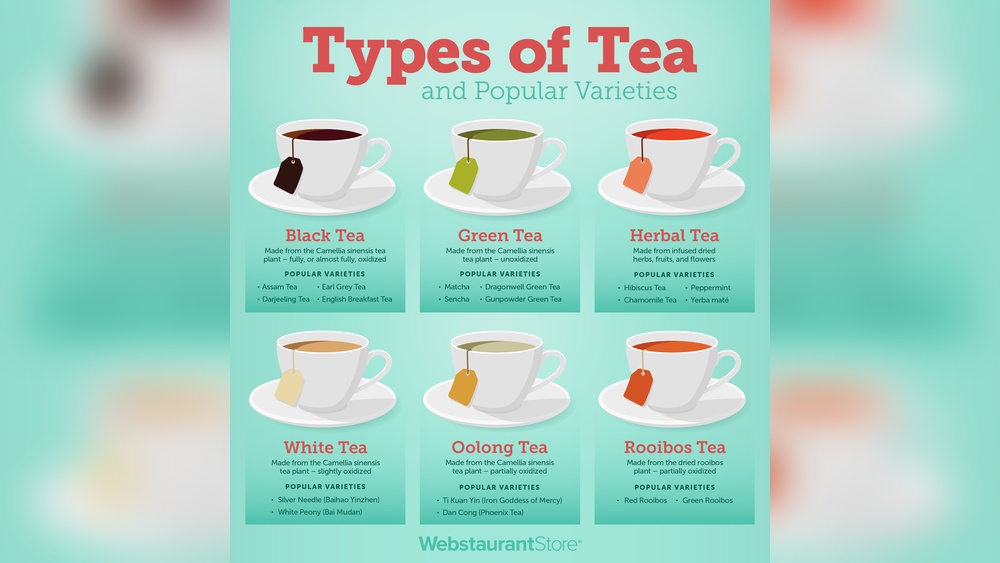
Black tea comes from the Camellia sinensis plant. The leaves are fully oxidized. This process makes the tea dark and rich in flavor. Most black tea is grown in India, Sri Lanka, and China. After picking, leaves are withered, rolled, and oxidized. Finally, they are dried to lock in flavor.
Flavor Profile
Black tea has a bold and strong taste. It can be malty, sweet, or even smoky. The flavor depends on the region and processing. Some black teas have fruity or spicy notes. It pairs well with milk, sugar, or lemon.
Caffeine Content
Black tea contains moderate caffeine. It has more caffeine than green or white tea. A cup of black tea gives a good energy boost. Perfect for mornings or when you need focus. Caffeine levels vary by brewing time and amount.
Herbal Tea Essentials
Herbal tea is a popular choice for many tea lovers. It does not come from the traditional tea plant. Instead, it is made using leaves, flowers, seeds, or roots from different plants. This makes herbal tea quite different from black tea. Each cup offers unique tastes and health benefits.
People enjoy herbal tea for its natural ingredients and soothing effects. It can be a great drink any time of the day. Let’s explore what makes herbal tea special.
Common Ingredients
Herbal tea uses many plants. Chamomile, peppermint, and hibiscus are very common. Ginger and lemongrass also add strong flavors. These ingredients give herbal tea its distinct aroma and taste. They often bring health benefits too, like calming nerves or aiding digestion.
Variety Of Flavors
Herbal teas come in many flavors. Some taste sweet, like rose or lavender. Others are spicy, such as cinnamon or ginger. You can find fruity blends with berries or citrus. This variety makes herbal tea fun to try for everyone.
Caffeine-free Nature
Herbal tea usually has no caffeine. This is different from black tea, which contains caffeine naturally. People who avoid caffeine choose herbal tea for this reason. It helps them relax without feeling jittery or awake at night.
Health Benefits Compared
Both black tea and herbal tea offer unique health benefits. Each type has special compounds that support the body. Knowing their differences helps you choose the best for your needs.
Black tea is rich in certain antioxidants that protect cells. Herbal tea contains various herbs known for healing effects. Let’s explore their health benefits more closely.
Antioxidants In Black Tea
Black tea contains powerful antioxidants called polyphenols. These help fight damage caused by free radicals. Free radicals can harm cells and speed aging.
Drinking black tea may reduce the risk of heart disease. It can improve blood flow and lower bad cholesterol. The antioxidants also support brain health and focus.
Medicinal Properties Of Herbal Tea
Herbal teas come from different plants, each with healing powers. Chamomile tea helps calm the mind and improve sleep. Peppermint tea soothes digestion and eases stomach discomfort.
Many herbal teas boost the immune system and reduce inflammation. They offer natural relief for colds and flu symptoms. Herbal tea is caffeine-free, which suits sensitive people well.
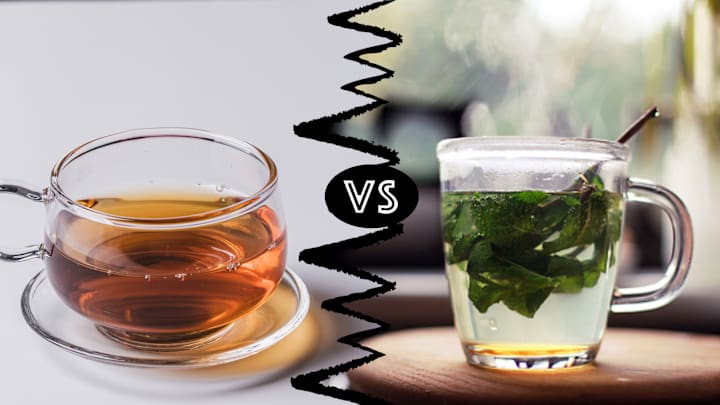
Credit: www.mentalfloss.com
Brewing Techniques
Brewing tea is more than just pouring hot water. Each type of tea needs careful attention. Black tea and herbal tea have different leaves and herbs. These differences mean they need different brewing methods. Using the right temperature and time brings out the best flavors. It also avoids bitterness or weak taste. Understanding these brewing techniques helps you enjoy your tea fully.
Optimal Temperature And Time For Black Tea
Black tea needs hot water but not boiling. The best temperature is 90 to 96 degrees Celsius. Steeping black tea for 3 to 5 minutes works well. Too hot or too long makes it bitter. Too cool or too short makes it weak. Use fresh water for the best flavor. Let the tea leaves fully release their taste. Then, enjoy a rich and bold cup.
Best Practices For Herbal Tea
Herbal tea needs boiling water at 100 degrees Celsius. It requires longer steeping time than black tea. Typically, steep herbal tea for 5 to 7 minutes. Some herbs even need up to 10 minutes. This helps release all the natural flavors and benefits. Using a covered cup keeps the heat inside. This method brings out the full aroma and taste. Herbal tea is caffeine-free and gentle on the stomach.
Cultural Significance
Tea holds a special place in many cultures worldwide. It is more than a drink. It connects people and traditions. Black tea and herbal tea each carry unique cultural meanings. These teas tell stories of history, rituals, and daily life. Understanding their cultural significance helps us appreciate their value beyond taste.
Black Tea Traditions Worldwide
Black tea is central to many social rituals. In Britain, it is part of afternoon tea, a time to relax and chat. In China, black tea is served during formal ceremonies. In India, chai tea blends black tea with spices for daily enjoyment. Russia uses black tea to welcome guests warmly. Each tradition shows respect and hospitality.
Herbal Tea In Different Cultures
Herbal tea is often linked to health and healing. In Japan, green herbal teas support calm and focus. Native American tribes use herbal infusions for spiritual cleansing. Morocco’s mint tea mixes herbs to refresh and energize. Many cultures rely on herbal tea for medicine and comfort. These drinks carry wisdom from nature and ancestors.

Credit: justea.com
Choosing Between Black And Herbal Tea
Choosing between black tea and herbal tea depends on what you want from your drink. Both types offer unique flavors and benefits. Understanding these differences helps you pick the right one for your needs. Consider taste, health, and lifestyle to decide which suits you best.
Taste Preferences
Black tea has a strong, bold flavor. It can be bitter or a bit sweet, depending on brewing time. Herbal tea tastes mild and often fruity or floral. You can find many flavors like chamomile, mint, or hibiscus. Choose black tea for a rich taste. Pick herbal tea for a gentle, soothing drink.
Health Considerations
Black tea contains caffeine that boosts energy and alertness. Too much caffeine can cause jitters or sleeplessness. Herbal tea usually has no caffeine, making it good for relaxation. Some herbal teas help with digestion, sleep, or stress relief. Both teas have antioxidants that support health. Think about your body’s needs when choosing.
Lifestyle Factors
Black tea fits well in a busy day for a quick energy lift. It pairs well with breakfast or work breaks. Herbal tea suits quiet moments like before bed or during rest. It works well for people avoiding caffeine or looking for calming effects. Both teas can fit your daily routine based on your habits and goals.

Credit: fullleafteacompany.com
Frequently Asked Questions
What Are The Main Ingredients In Black Tea And Herbal Tea?
Black tea is made from Camellia sinensis leaves, while herbal tea includes various herbs, flowers, or fruits. Black tea contains caffeine, but herbal tea is usually caffeine-free. The ingredients determine their flavor, aroma, and health benefits, making each tea unique.
How Does Caffeine Content Differ In Black And Herbal Tea?
Black tea contains moderate caffeine levels, which can boost alertness and energy. Herbal tea typically has no caffeine, making it suitable for relaxation and evening consumption. This difference influences their effects on the body and suitability for different times of the day.
What Health Benefits Do Black And Herbal Teas Offer?
Black tea supports heart health, improves focus, and contains antioxidants. Herbal tea benefits vary by herb but often aid digestion, reduce stress, and boost immunity. Both teas offer unique health advantages depending on their composition and consumption habits.
How Do Flavor Profiles Differ Between Black And Herbal Teas?
Black tea has a bold, robust, and sometimes astringent flavor. Herbal tea flavors are diverse, ranging from floral and fruity to spicy and sweet. These distinct profiles cater to different taste preferences and occasions.
Conclusion
Black tea and herbal tea differ in taste, ingredients, and benefits. Black tea comes from the Camellia plant, while herbal tea uses various herbs and flowers. Black tea contains caffeine; herbal tea usually does not. Both offer unique flavors and health effects.
Choose based on your mood and needs. Enjoy the rich, bold flavor of black tea or the soothing, gentle taste of herbal tea. Drinking either can relax your mind and body. Both have their special place in tea lovers’ routines.
Try both to find what you like best.