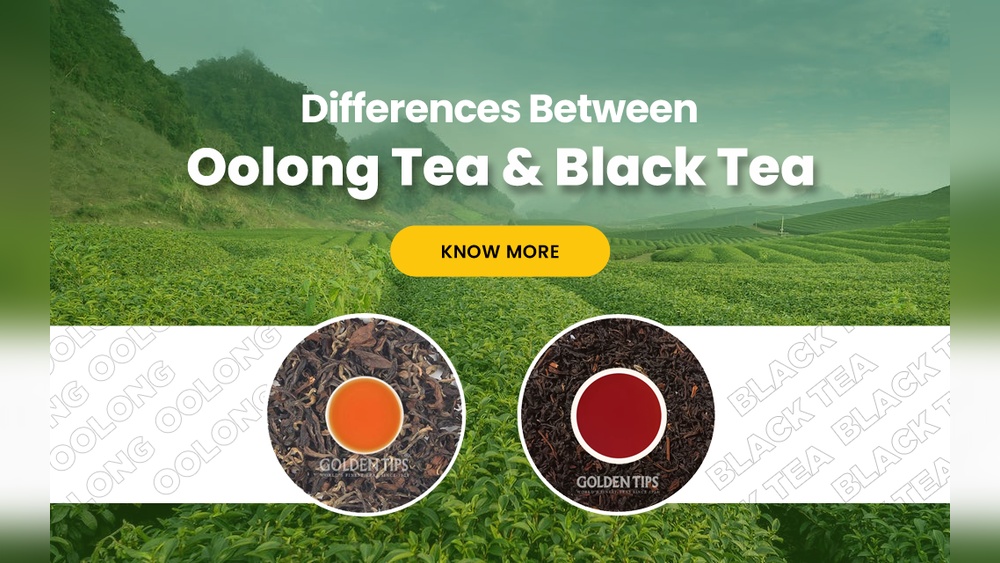

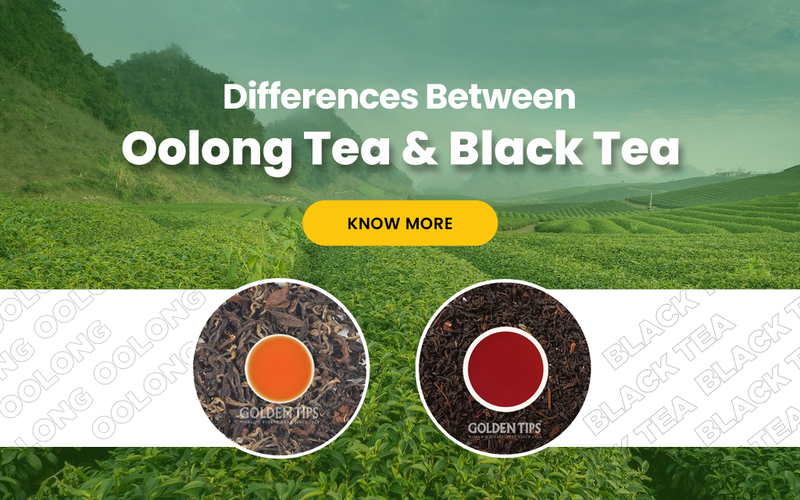
Have you ever wondered what sets black tea apart from oolong tea? Both offer rich flavors and unique aromas, but understanding their differences can change the way you enjoy your cup.
Whether you’re a tea lover looking to explore new tastes or someone curious about which tea suits your mood, this guide is for you. By the end, you’ll know exactly how black and oolong teas differ—and how to pick the perfect one for your next brew.
Keep reading to discover the simple secrets behind these two popular teas.
Credit: www.goldentipstea.com
Tea Origins
Tea has a rich history that spans thousands of years. Both black tea and oolong tea come from the same plant, Camellia sinensis. Their origins help us understand their unique flavors and qualities. The difference starts with where and how they were first grown and processed.
Black Tea Roots
Black tea has its roots in China, dating back to the Tang Dynasty. It became popular as it traveled along the Silk Road. Later, India and Sri Lanka began producing large amounts of black tea. These regions have the perfect climate for strong, bold tea leaves. The leaves are fully oxidized, giving black tea its dark color and rich taste.
Oolong Tea Heritage
Oolong tea also began in China, especially in the Fujian and Guangdong provinces. It is a traditional tea with a unique process between green and black tea. Oolong tea leaves are partially oxidized, which creates a balance of fresh and deep flavors. Taiwan is now famous for high-quality oolong teas. The tea culture there values slow, careful production methods.
Processing Methods
Processing methods shape the taste and aroma of black and oolong teas. Both teas start from the same Camellia sinensis leaves. The difference lies in how these leaves are handled after picking. Each step in processing changes the tea’s flavor and color.
Oxidation Levels
Oxidation is the key factor that separates black tea and oolong tea. Black tea is fully oxidized. This means the leaves turn dark and develop a strong flavor. Oolong tea is partially oxidized. Its oxidation level can vary from 10% to 70%. This creates a lighter taste and floral aroma.
Withering Techniques
Withering removes water from the leaves and softens them. Black tea leaves wither for several hours in warm air. This process makes the leaves limp and easy to roll. Oolong tea leaves wither either under the sun or indoors. This step helps prepare leaves for partial oxidation.
Rolling And Shaping
Rolling breaks the leaf cells and releases enzymes. Black tea leaves are rolled tightly to help full oxidation. Oolong tea leaves are gently rolled or twisted. This preserves some leaf shape and controls oxidation. The rolling style impacts the tea’s final texture and taste.
Flavor Profiles
Flavor profiles are key to understanding black tea and oolong tea. Each tea offers a unique taste and aroma experience. These differences come from how the leaves are processed and their oxidation levels. The flavor can change based on the region where the tea grows too.
Black Tea Taste Notes
Black tea has a strong and bold flavor. It often tastes slightly sweet or malty. Some black teas have hints of chocolate or spices. The taste is deep and sometimes a little bitter. It usually leaves a warm, lasting feeling in the mouth.
Oolong Tea Aromas
Oolong tea has a light and fragrant aroma. It can smell floral, like orchids or gardenias. Some oolongs have fruity or creamy scents. The aroma feels fresh and smooth. It invites a calm and relaxing tea experience.
Health Benefits
Both black tea and oolong tea offer many health benefits. They come from the same tea plant but have different processing methods. This changes their taste and health properties. Drinking these teas regularly can support your overall well-being.
Antioxidants In Black Tea
Black tea contains strong antioxidants called polyphenols. These fight free radicals that damage cells. This helps lower the risk of chronic diseases like heart problems. Black tea also supports healthy blood vessels and improves heart health. Its antioxidants may reduce inflammation and protect against some cancers.
Oolong Tea And Metabolism
Oolong tea helps boost metabolism. This can support weight management and fat burning. It contains compounds that improve fat breakdown and energy use. Drinking oolong tea may help control blood sugar levels. This tea also promotes brain function and reduces stress.
Caffeine Content
Caffeine is a natural stimulant found in tea leaves. It helps increase alertness and reduce tiredness. Both black tea and oolong tea contain caffeine, but the amounts vary. Understanding caffeine content helps choose the right tea for your needs.
Caffeine Levels In Black Tea
Black tea usually has more caffeine than oolong tea. A typical cup contains about 40 to 70 milligrams of caffeine. This makes black tea a strong option for a morning boost. The full oxidation process increases caffeine extraction.
Caffeine Levels In Oolong Tea
Oolong tea has moderate caffeine, between green and black teas. It contains roughly 30 to 50 milligrams per cup. The partial oxidation means less caffeine than black tea but more than green tea. Oolong provides gentle energy without jitters.
Factors Affecting Caffeine Content
Tea brewing time changes caffeine levels. Longer steeping releases more caffeine into the cup. Tea leaf quality also matters. High-grade leaves often have higher caffeine. Serving size impacts caffeine intake too.

Credit: pediaa.com
Brewing Tips
Brewing black tea and oolong tea requires different care to bring out their best flavors. Each tea type needs the right water temperature and steeping time. These details make a big difference in taste and aroma. Follow these simple brewing tips to enjoy your tea fully.
Ideal Water Temperature
Black tea needs hotter water. Around 200°F to 212°F is perfect. This high temperature helps release strong, bold flavors. Oolong tea is more delicate. Use water between 185°F and 205°F. Cooler water keeps its floral and fruity notes fresh.
Steeping Time
Black tea steeps best for 3 to 5 minutes. Steep longer for a stronger taste. Oolong tea needs less time, about 2 to 4 minutes. Steep too long and it may taste bitter. Adjust steeping time to your taste.
Popular Varieties
Black tea and oolong tea have many popular types. Each variety offers a unique taste and aroma. Exploring these popular kinds helps you understand their differences better. Both teas come from the same plant but taste very different.
Famous Black Teas
Assam tea is rich and bold, popular in India. Darjeeling tea has a light, floral flavor from the Himalayan foothills. Ceylon tea from Sri Lanka is bright and citrusy. English Breakfast is a strong blend, perfect for mornings. Earl Grey has a distinct taste with bergamot oil.
Well-known Oolongs
Tieguanyin is a famous Chinese oolong, floral and creamy. Da Hong Pao is a dark, roasted oolong with a smoky taste. Milk oolong offers a smooth, milky flavor, loved by many. Oriental Beauty has fruity and honey-like notes. High mountain oolong from Taiwan is fresh and fragrant.
Credit: www.researchgate.net
Frequently Asked Questions
What Are The Main Differences Between Black And Oolong Tea?
Black tea is fully oxidized, giving it a bold flavor. Oolong tea is partially oxidized, offering a floral, complex taste. Their processing and oxidation levels create distinct aromas and colors.
How Do Black And Oolong Tea Affect Health Differently?
Both teas contain antioxidants and caffeine. Black tea boosts heart health and energy. Oolong tea aids metabolism and weight management. Their unique compounds provide varied health benefits.
Which Tea Has A Stronger Flavor, Black Or Oolong?
Black tea has a stronger, more robust flavor. Oolong tea’s taste is milder with floral and fruity notes. Flavor intensity depends on oxidation and brewing time.
Can Black And Oolong Tea Be Used Interchangeably?
They can be swapped but offer different tastes and aromas. Black tea suits strong brews, while oolong is better for subtle flavors. Choose based on personal preference.
Conclusion
Black tea and oolong tea come from the same plant but taste different. Black tea has a stronger, bolder flavor. Oolong tea offers a lighter, more floral taste. Both teas have unique health benefits and caffeine levels. Choosing between them depends on your flavor preference.
Trying both helps you find your favorite. Enjoying tea is about personal choice and relaxation. Each cup brings a new experience to your day. Keep exploring and savor every sip.