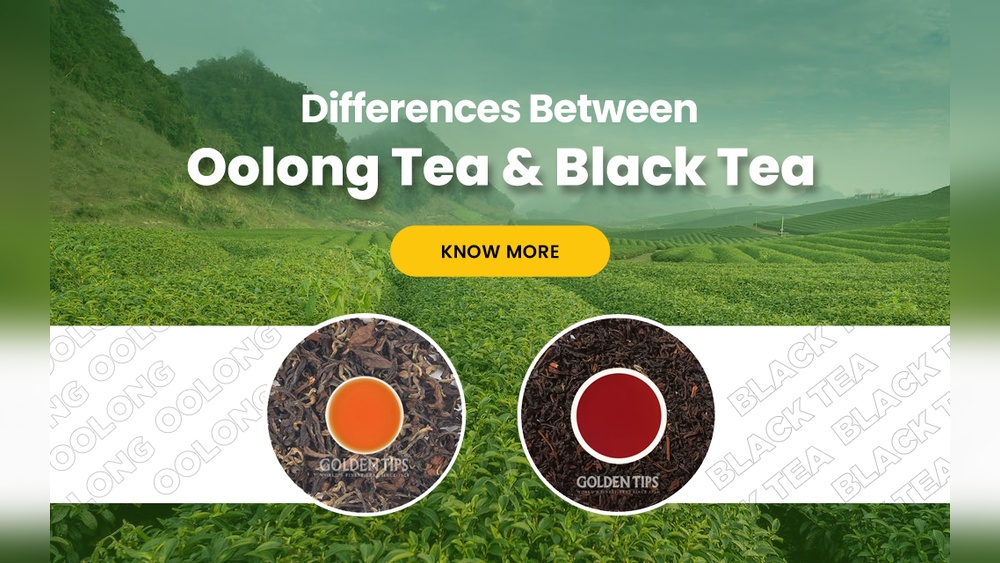

Are you curious about the difference between black tea and oolong tea? Both teas offer rich flavors and health benefits, but they are not the same.
Understanding what sets them apart can help you choose the perfect cup for your taste and mood. Keep reading, and you’ll discover how these teas differ in flavor, processing, and even their effects on your body. By the end, you’ll know exactly which one suits your daily routine best.
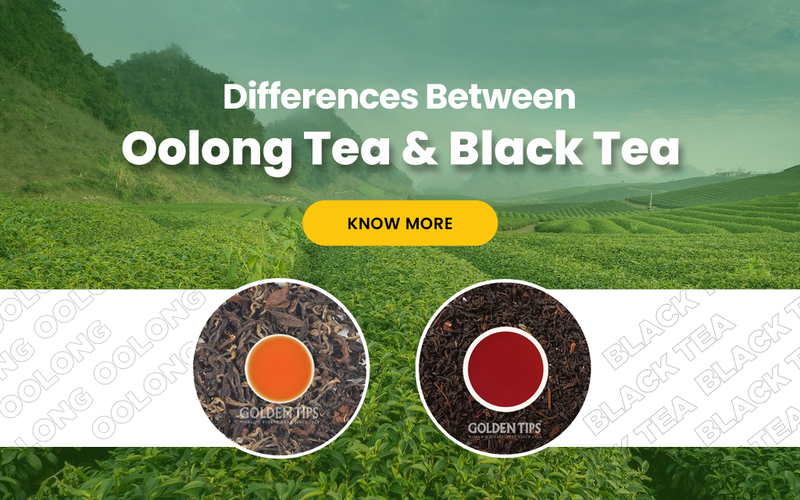
Credit: www.goldentipstea.com
Tea Origins
Tea has a rich history that shapes its flavors and types. The origin of tea affects its taste and aroma. Black tea and oolong tea come from different regions and traditions. Understanding their roots helps appreciate each tea better.
Black Tea Origins
Black tea originates mainly from China and India. The Chinese began producing black tea centuries ago. Assam and Darjeeling regions in India also produce famous black teas. These areas have ideal climates and soil for tea plants. The processing involves full oxidation, which darkens the leaves. This method gives black tea its strong flavor and deep color.
Oolong Tea Origins
Oolong tea has its roots in China and Taiwan. It is especially popular in Fujian province and Taiwan’s mountainous regions. Oolong tea undergoes partial oxidation. This process lies between green and black tea methods. It creates a unique taste that is floral, fruity, and smooth. The careful hand-processing of oolong tea preserves its delicate flavors.
Processing Methods
Black tea and oolong tea come from the same plant but differ in how they are processed. The way these teas are handled after harvesting changes their flavor, color, and aroma. Processing methods include steps like withering, rolling, oxidation, and drying. Each step shapes the tea’s unique character.
Withering And Rolling
Withering means letting tea leaves rest to lose moisture. Black tea leaves wither longer, making them softer. Oolong leaves wither less, keeping some firmness. After withering, leaves are rolled. Rolling breaks leaf cells, releasing juices. Black tea is rolled tightly. Oolong is rolled gently or twisted. This affects taste and aroma.
Oxidation Levels
Oxidation is when leaves react with air and darken. Black tea is fully oxidized. This creates a strong, bold flavor and dark color. Oolong is partially oxidized. The level varies from 10% to 70%. This makes oolong taste lighter or richer. Oxidation gives oolong a floral or fruity note.
Drying Techniques
Drying stops oxidation and preserves leaves. Black tea is dried at higher temperatures. This locks in strong flavors. Oolong is dried carefully at lower heat. This keeps its complex aroma and taste. Drying also shapes the tea’s final look and feel.
Flavor Profiles
Flavor is a key way to tell black tea and oolong tea apart. Both teas come from the same plant but taste very different. Their unique flavors depend on how they are made. Understanding these flavors helps tea lovers choose the best tea for their taste.
Black Tea Taste Notes
Black tea has a strong and bold flavor. It often tastes rich and full-bodied. You may notice hints of malt, earth, or spices. Some black teas have a slight sweetness or a smoky touch. The flavor is clear and direct, making it good for morning tea. It pairs well with milk and sugar.
Oolong Tea Taste Notes
Oolong tea has a smooth and complex taste. It can be floral, fruity, or creamy. Some oolongs have a fresh, green note like light tea. Others are deeper and more roasted. The flavor changes with each sip, offering variety. Oolong feels lighter than black tea but still rich.

Credit: pediaa.com
Health Benefits
Both black tea and oolong tea offer health benefits. They contain natural compounds that support the body. Drinking these teas can boost your well-being in different ways.
Antioxidant Content
Black tea and oolong tea have antioxidants called polyphenols. These fight harmful molecules called free radicals. Oolong tea usually has more antioxidants than black tea. These antioxidants help protect cells and reduce damage.
Caffeine Levels
Black tea has a bit more caffeine than oolong tea. Caffeine helps increase alertness and focus. Both teas provide a gentle energy boost. Neither has as much caffeine as coffee.
Other Health Effects
Oolong tea may help with weight control by improving metabolism. Black tea supports heart health by lowering bad cholesterol. Both teas aid digestion and can calm the mind. Regular tea drinking supports overall health and wellness.
Brewing Tips
Brewing tea correctly brings out its best flavors and aromas. Black tea and oolong tea need different brewing care. These tips help you enjoy each type at its finest. Follow simple steps for perfect tea every time.
Ideal Water Temperature
Black tea brews best with water near 95°C (203°F). Oolong tea needs cooler water, around 85°C to 90°C (185°F to 194°F). Using the right temperature stops bitterness and keeps the tea smooth. Avoid boiling water for oolong to keep its delicate taste.
Steeping Time
Black tea steeps for 3 to 5 minutes. Oolong tea requires shorter time, about 2 to 4 minutes. Watch the clock to avoid over-steeping. Over-steeping makes tea bitter and less enjoyable. Adjust time by taste if you like stronger or lighter tea.
Serving Suggestions
Black tea suits milk and sugar well for a rich flavor. Oolong tea tastes best plain or with a little honey. Serve black tea hot to enjoy its boldness. Oolong is great hot or warm to savor its floral notes. Use clear cups to see the tea’s beautiful color.
Credit: www.researchgate.net
Popular Varieties
Black tea and oolong tea each offer unique flavors and aromas. Both come from the same plant but differ in processing. The varieties available show these differences clearly. Each type has popular varieties loved by tea drinkers worldwide.
Black Tea Varieties
Assam is a strong, bold black tea from India. It has a rich, malty taste perfect for morning drinks. Darjeeling grows in the Himalayas and is lighter with floral notes. Ceylon tea from Sri Lanka has a bright, citrusy flavor. Keemun, a Chinese black tea, is smooth and slightly smoky. Earl Grey is black tea flavored with bergamot oil. Each variety offers a distinct experience.
Oolong Tea Varieties
Tieguanyin is a famous oolong from China with a floral, sweet taste. Da Hong Pao is a dark, roasted oolong with rich, deep flavors. Milk oolong has a creamy, smooth texture and mild sweetness. Oriental Beauty is a highly oxidized oolong with fruity and honey notes. Baozhong is lightly oxidized and has a fresh, floral aroma. These varieties show the wide range of oolong flavors.
Frequently Asked Questions
What Are The Main Differences Between Black And Oolong Tea?
Black tea is fully oxidized, offering a bold, rich flavor. Oolong tea is partially oxidized, with a lighter, floral taste. The oxidation level mainly defines their color, aroma, and taste profile, making each unique in brewing and health benefits.
How Does The Oxidation Process Differ In Both Teas?
Black tea undergoes complete oxidation, turning the leaves dark and intensifying flavor. Oolong tea is partially oxidized, usually between 10% to 70%, balancing freshness and richness. This controlled oxidation impacts the tea’s color, aroma, and taste complexity.
Which Tea Has More Caffeine: Black Or Oolong?
Black tea generally contains more caffeine than oolong tea. However, caffeine levels vary based on brewing time and tea quality. On average, black tea has about 40-70 mg per cup, while oolong contains 30-50 mg, offering moderate stimulation.
Are The Health Benefits Of Black And Oolong Tea Different?
Both teas provide antioxidants and promote heart health. Black tea aids digestion and boosts energy, while oolong supports weight management and improves metabolism. Their unique compounds offer overlapping yet distinct health advantages.
Conclusion
Black tea and oolong tea both come from the same plant. Their main difference lies in the way they are processed. Black tea is fully fermented, giving it a strong taste. Oolong tea is only partially fermented, offering a lighter flavor.
Both teas have health benefits and unique aromas. Choose the one that fits your taste best. Enjoy a warm cup anytime you want a soothing drink. Exploring both can make tea time more interesting and enjoyable.