
Have you ever wondered what makes black tea different from regular tea? You might enjoy a warm cup every day but not really know what sets them apart.
Understanding these differences can change the way you choose and enjoy your tea. Whether you’re after a stronger flavor, a health boost, or just curious, this guide will clear up the mystery. Keep reading to discover what makes black tea unique and how it compares to regular tea, so you can pick the perfect brew for your taste and needs.
Types Of Tea Leaves
Tea comes from different types of leaves. These leaves give tea its unique taste and color. Understanding the types of tea leaves helps explain the difference between black tea and regular tea. The variety of the tea plant and how the leaves are processed matter most.
Camellia Sinensis Varieties
All true teas come from the Camellia sinensis plant. There are two main varieties: Camellia sinensis sinensis and Camellia sinensis assamica. The first grows in cooler climates and has smaller leaves. The second grows in warmer areas and has larger leaves. Black tea often uses the assamica variety. Regular tea can come from either variety, depending on the region.
Processing Differences
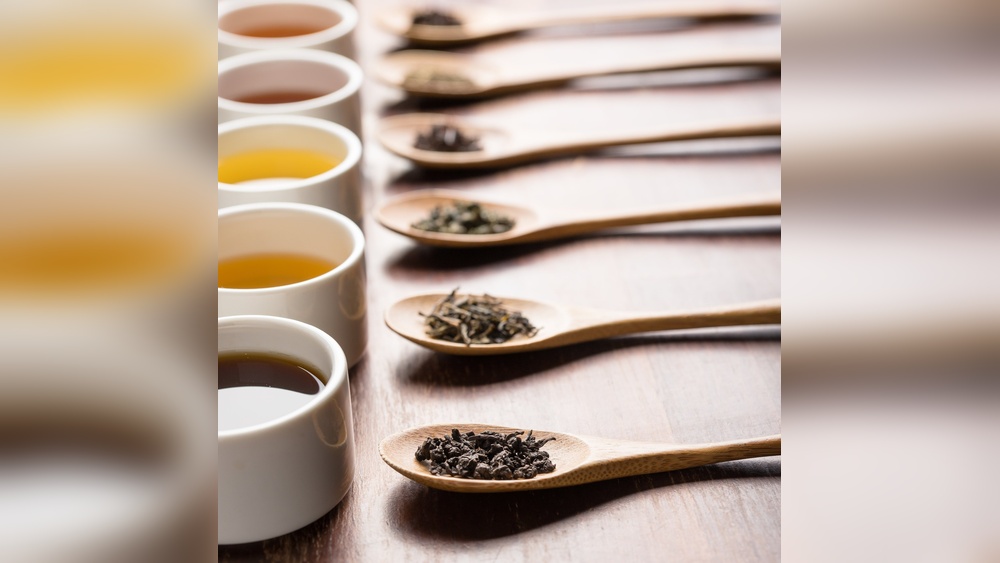
The way tea leaves are processed changes their flavor and color. Black tea leaves are fully oxidized. This means they turn dark and develop a strong taste. Regular tea, like green or white tea, is less oxidized or not oxidized at all. This keeps the leaves lighter and the flavor milder. The processing step is the main reason black tea differs from other teas.

Credit: matcha.com
Black Tea Characteristics
Black tea stands out with unique features that make it popular worldwide.
Its taste, color, and caffeine level differ from other teas. These traits give black tea its special place in tea culture.
Flavor Profile
Black tea has a strong and bold flavor. It can taste malty, fruity, or even smoky.
The flavor changes depending on where it grows and how it is made.
Color And Aroma
The brewed tea shows a dark amber or reddish color. This deep color comes from full oxidation.
Its aroma is rich and inviting, often with hints of honey or spices.
Caffeine Content
Black tea usually has more caffeine than green or white teas.
The caffeine helps boost energy and focus but is less than coffee.
Regular Tea Explained
Regular tea is a broad term for teas made from the Camellia sinensis plant. It includes many types of tea that people drink every day. Each type has unique flavors, colors, and caffeine amounts. Understanding these differences helps you enjoy tea more.
Common Tea Varieties
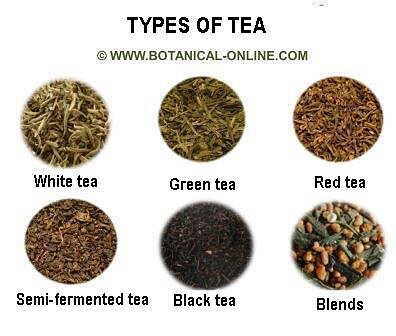
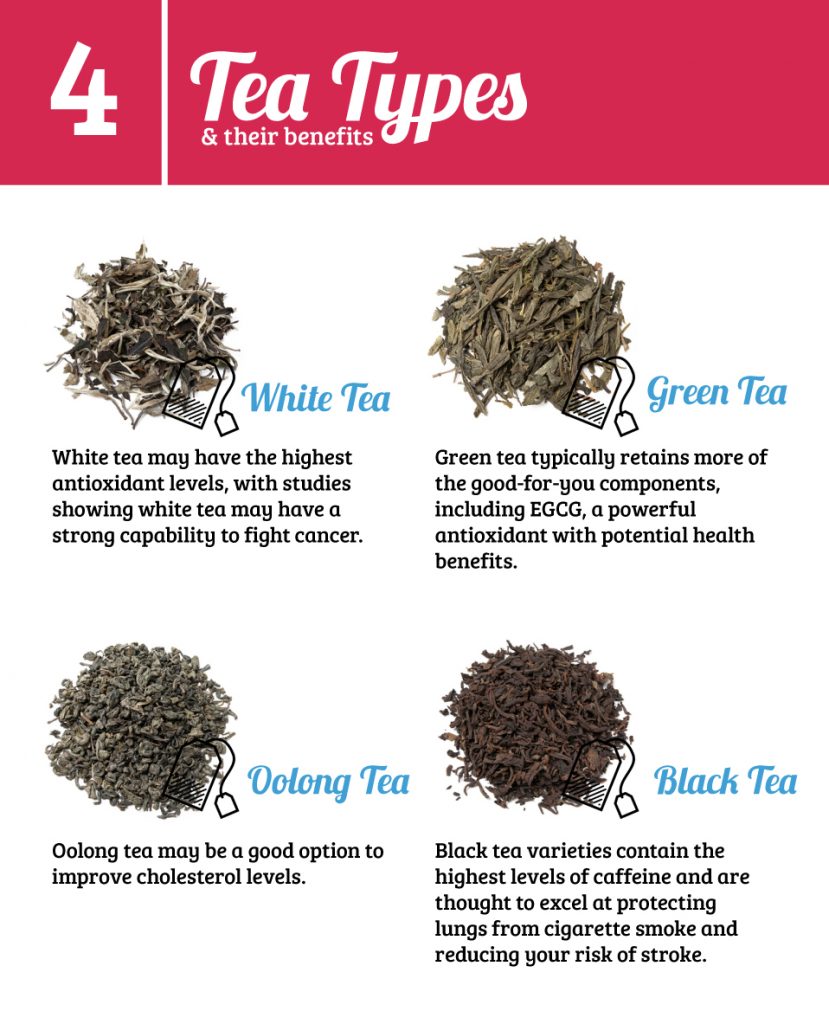
Regular tea comes in several main types: green, white, oolong, and black. Green tea is lightly processed and has a fresh taste. White tea is the least processed and very mild. Oolong tea is partly fermented, offering a balance of flavors. Black tea is fully fermented with a strong flavor. These teas vary by how they are made.
Taste And Appearance
Regular teas have distinct tastes and colors. Green tea tastes grassy or slightly sweet with a greenish color. White tea is soft and delicate with a pale color. Oolong tea has a floral or fruity taste with a golden or amber shade. Black tea is bold and rich, with dark brown or reddish hues. The taste depends on processing and brewing.
Caffeine Levels
Caffeine in regular tea varies by type and brewing time. Black tea usually has the most caffeine. Green tea has less caffeine but still gives a good energy boost. White tea has the least caffeine and is gentle on the body. Oolong tea falls between green and black tea. Caffeine levels affect alertness and taste.
Health Benefits Comparison
Comparing health benefits of black tea and regular tea helps choose the best option. Both teas come from the same plant, Camellia sinensis. Differences in processing create unique effects on health. Understanding these benefits can guide your daily tea choice.
Black tea is fully oxidized, giving it a strong flavor and darker color. Regular tea often means green or white tea, which undergo less processing. This affects their antioxidant levels and health impacts.
Antioxidant Properties
Black tea contains powerful antioxidants called theaflavins and thearubigins. These help fight free radicals that damage cells. Regular tea, like green tea, has catechins, a different type of antioxidant. Catechins are known for their strong ability to reduce inflammation and protect cells. Both types support the body’s defense system but in slightly different ways.
Impact On Heart Health
Black tea can improve blood vessel function and lower bad cholesterol. These effects reduce the risk of heart disease. Regular tea also supports heart health by reducing blood pressure. Its antioxidants help keep arteries flexible. Drinking either tea regularly may promote a healthier heart over time.
Effect On Digestion
Black tea may aid digestion by calming the stomach and reducing inflammation. It can also promote the growth of good gut bacteria. Regular tea, especially green tea, helps digestion by speeding up metabolism. Both teas support gut health but with different strengths. Choose based on your digestive needs and taste preference.
Brewing Techniques
Brewing tea correctly brings out its best flavors. Black tea and regular tea need different brewing methods. These methods affect taste, aroma, and strength. Understanding these techniques helps you enjoy each cup fully.
Optimal Temperatures
Black tea brews best at high temperatures. Water around 200°F to 212°F works well. This heat releases strong flavors and rich color. Regular tea varies more. Green or white teas need cooler water, about 160°F to 185°F. Hotter water can make them bitter. Using the right temperature makes a smooth cup.
Steeping Times
Black tea needs more time to steep. Usually, 3 to 5 minutes is ideal. This time extracts full flavor without bitterness. Regular teas steep for less time. Green tea often takes 1 to 3 minutes. Steeping too long can cause bitterness. Watching steep time keeps tea balanced and tasty.
Credit: www.botanical-online.com
Cultural Preferences
Cultural preferences shape how people enjoy black tea and regular tea. Different countries have unique ways of drinking tea. These habits influence the type of tea people choose every day.
Tea is more than a drink. It is part of many traditions. These traditions reflect local tastes and values. The choice between black tea and regular tea often depends on culture.
Global Consumption Patterns
Black tea is popular in many Western countries. People in the UK, the US, and Russia prefer it strong. They often add milk or sugar. This makes the tea richer and smoother.
Regular tea, such as green or white tea, is common in Asia. Countries like China and Japan favor these lighter teas. These teas have a delicate flavor and less caffeine.
In India, black tea dominates. It is often brewed with spices to make chai. This style reflects local flavor preferences and climate.
Popular Tea Traditions
The British tea tradition centers on black tea. Afternoon tea is a famous custom. It includes tea with milk and snacks. This practice shows the social role of black tea.
In China, regular tea plays a vital role in ceremonies. Tea is served without milk or sugar. The focus is on the pure taste and aroma.
Japan’s tea ceremony highlights matcha, a form of green tea. It symbolizes harmony and respect. This tradition differs greatly from Western tea habits.
Credit: xtrema.com
Frequently Asked Questions
What Is The Main Difference Between Black And Regular Tea?
Black tea is fully oxidized, giving it a darker color and stronger flavor. Regular tea often refers to green or white tea, which are less oxidized and have lighter taste and color.
How Does Oxidation Affect Black Tea’s Flavor?
Oxidation changes the tea leaves’ chemical composition, intensifying flavors. Black tea’s full oxidation creates bold, rich, and robust flavors compared to lighter teas.
Are Black Tea And Regular Tea From The Same Plant?
Yes, both come from the Camellia sinensis plant. The difference lies in processing methods, not the plant variety itself.
Which Tea Has Higher Caffeine: Black Or Regular?
Black tea generally contains more caffeine than green or white tea. However, exact levels vary by brand and brewing time.
Conclusion
Black tea and regular tea differ mainly in processing and flavor. Black tea is fully fermented, giving it a stronger taste. Regular tea usually means green or white tea, which is less processed and milder. Both types have health benefits and contain caffeine, but levels vary.
Choose based on your taste and energy needs. Enjoying tea can be simple or complex. The choice is yours to make. Try both to find what suits you best. Tea time, your way.