Are you curious about how the caffeine in your green tea compares to the caffeine in your coffee? Both drinks give you that much-needed boost, but not all caffeine is the same.
Understanding the difference can help you make smarter choices for your energy, focus, and even your health. Keep reading, and you’ll discover surprising facts that could change the way you enjoy your favorite cup. This knowledge might just give you the edge you’ve been looking for to power through your day.
Sources Of Caffeine
Caffeine comes from different natural sources. The main sources for green tea caffeine and coffee caffeine are plants. Each source gives a unique taste and effect. Understanding these sources helps explain the difference in caffeine types.
Green Tea Leaves
Green tea caffeine comes from green tea leaves. These leaves grow on the Camellia sinensis plant. The caffeine in green tea is gentler and releases slowly. This gives a calm, steady energy without a sharp crash. Green tea leaves also contain antioxidants and other natural compounds that affect caffeine’s impact.
Coffee Beans
Caffeine in coffee comes from coffee beans. These beans are seeds of the Coffea plant. Coffee caffeine is stronger and acts faster than green tea caffeine. It gives a quick energy boost and sharper alertness. Coffee beans have oils and acids that add to the flavor and caffeine effect.
Credit: www.kimecopak.ca
Caffeine Content Comparison
Caffeine in green tea and coffee varies in amount and effect. Both drinks give energy but differ in caffeine strength. Understanding these differences helps you choose the right drink for your needs. Below is a clear comparison of their caffeine content.
Average Caffeine In Green Tea
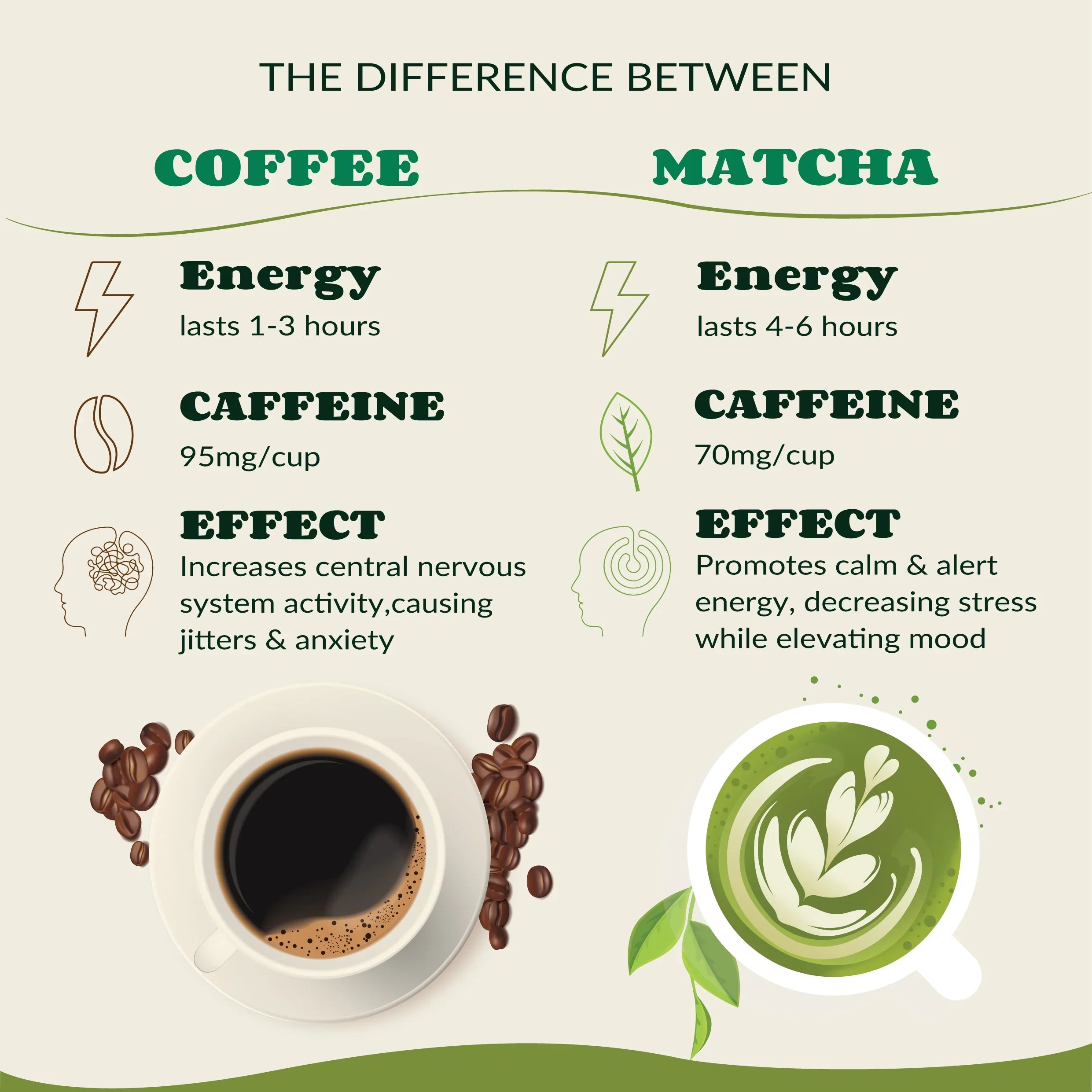
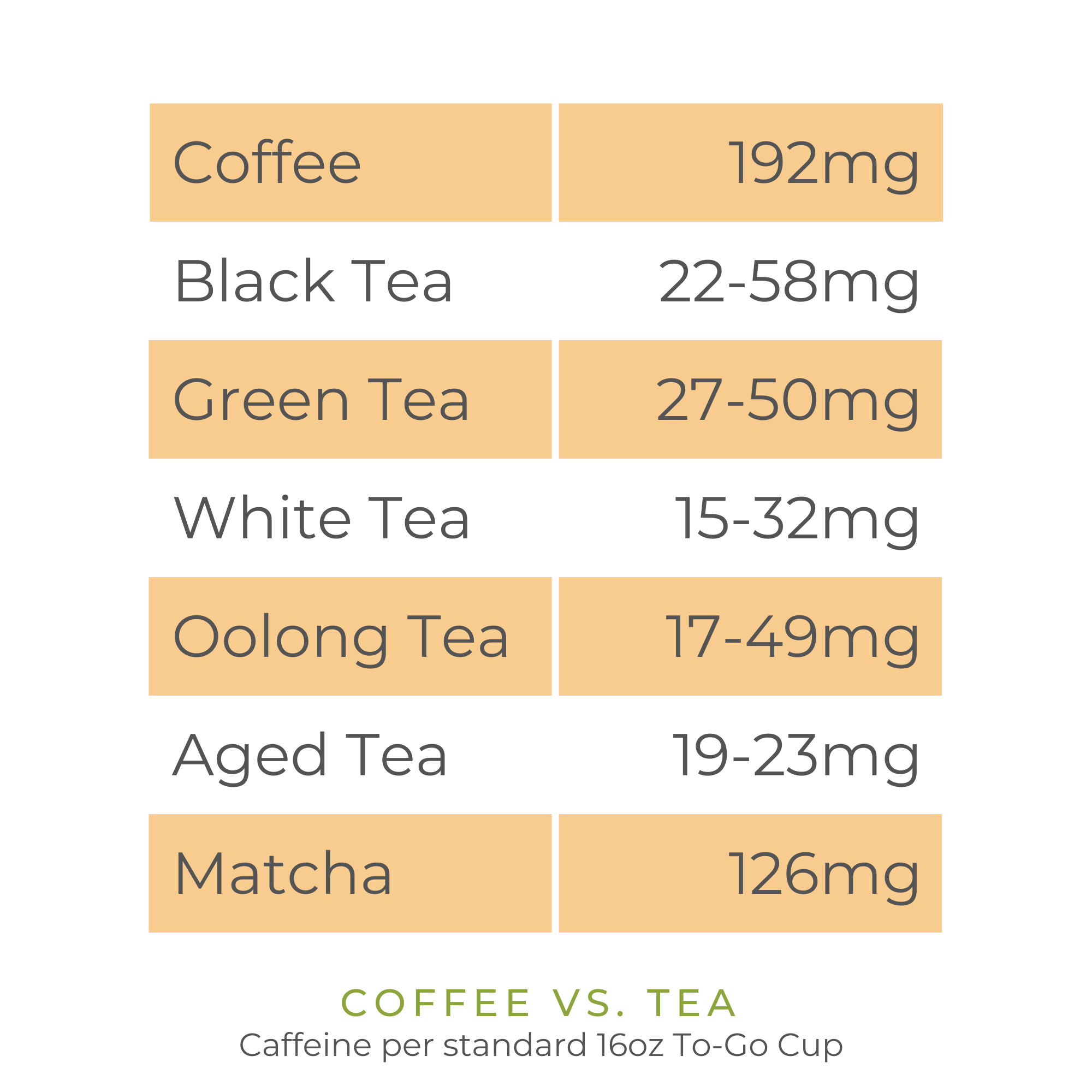
Green tea usually contains 20 to 45 milligrams of caffeine per cup. This amount depends on how long you brew the tea and the tea leaf type. Green tea’s caffeine is lower than coffee’s, making it a gentler energy booster. It also contains L-theanine, which helps calm the mind.
Average Caffeine In Coffee
Coffee has much more caffeine than green tea. A regular cup of coffee contains 95 to 200 milligrams of caffeine. This high caffeine level gives a stronger and faster energy boost. The exact amount varies by coffee type and brewing method.
Chemical Composition Differences
The caffeine in green tea and coffee differ in their chemical makeup. This difference affects how your body reacts to each drink. Understanding the chemical composition helps explain why green tea feels gentler than coffee. The caffeine molecules are similar but not exactly the same. Small changes in their structure change the effects on energy and alertness.
Caffeine Structure In Green Tea
Caffeine in green tea is bound with other natural compounds. One key compound is L-theanine. It works with caffeine to create a calm, focused feeling. The caffeine molecule itself has a specific shape. This shape allows it to release energy slowly. It causes less jitteriness and a smoother boost. The presence of antioxidants in green tea also changes how caffeine acts.
Caffeine Structure In Coffee
Caffeine in coffee exists mostly on its own. The molecule is very similar to that in green tea. But coffee caffeine enters the bloodstream quickly. This fast release causes a stronger, sharper energy spike. Coffee lacks the calming compounds found in green tea. This can lead to a quicker crash after the initial boost. The chemical environment in coffee makes caffeine more potent and immediate.
Credit: www.saratogateaandhoney.com
Impact On The Body
Caffeine affects the body in different ways depending on its source. Green tea caffeine and coffee caffeine both stimulate the brain and body. Yet, their effects vary in strength and length. Understanding these differences helps you choose the best option for your needs.
The impact on energy, heart rate, and how long the effects last is important. These factors shape how you feel after drinking green tea or coffee.
Energy Boost And Alertness
Coffee caffeine provides a quick and strong energy boost. It wakes you up fast and sharpens focus quickly. Green tea caffeine offers a gentler rise in energy. It helps maintain alertness without jitters or crashes. The presence of L-theanine in green tea smooths the caffeine effect. This makes the alertness feel calm and steady.
Effect On Heart Rate
Coffee caffeine can increase heart rate noticeably. This may cause feelings of nervousness or restlessness. Green tea caffeine has a milder effect on the heart. It rarely causes a rapid heartbeat. The calming compounds in green tea balance the stimulant effect. This leads to a more relaxed body response.
Duration Of Stimulation
Coffee caffeine acts quickly but the effects wear off fast. The energy spike lasts about 3 to 4 hours. Green tea caffeine releases slowly over time. Its effects can last up to 6 hours or more. This slow release helps avoid sudden drops in energy. It supports longer, steady focus throughout the day.
Additional Compounds Influencing Effects
Caffeine affects the body differently depending on other compounds present. Green tea and coffee both have caffeine, but their effects vary. This happens because of extra natural compounds. These compounds change how caffeine works in the body. Understanding these can help you choose between green tea and coffee.
L-theanine In Green Tea
Green tea contains L-Theanine, an amino acid. It helps the brain relax without making you sleepy. L-Theanine works with caffeine to create calm alertness. This means green tea often feels less jittery than coffee. It can improve focus and reduce stress. The unique combo of caffeine and L-Theanine makes green tea special.
Other Coffee Compounds
Coffee has many compounds besides caffeine. One is chlorogenic acid, an antioxidant that helps fight damage in cells. Coffee also contains diterpenes, which can affect cholesterol levels. These compounds can change how caffeine impacts your body. Coffee’s strong taste and quick energy boost come from these extras. They give coffee its distinct effects and flavor.
Credit: www.momswhothink.com
Health Benefits And Risks
Caffeine in green tea and coffee affects the body in different ways. Both offer health benefits but carry some risks. Understanding these can help you choose what suits your lifestyle and health best.
Green Tea Caffeine Benefits
Green tea contains less caffeine than coffee. It releases energy slowly, avoiding sudden spikes. This helps keep you alert without feeling jittery. Green tea also has antioxidants that support the immune system. These antioxidants may reduce inflammation and protect cells from damage. Drinking green tea can improve brain function and may help with weight management.
Coffee Caffeine Benefits
Coffee has more caffeine, giving a quick energy boost. It can improve focus and concentration for a short time. Coffee also contains antioxidants that support heart health. Studies link moderate coffee intake to a lower risk of some diseases. It may protect against type 2 diabetes and certain liver conditions.
Potential Side Effects
Too much caffeine from either drink can cause problems. These include anxiety, trouble sleeping, and fast heartbeat. Coffee’s stronger caffeine may lead to more jitteriness or stomach upset. Green tea is gentler but still can cause headaches or nervousness if overused. Pregnant women and people with heart issues should be careful with caffeine intake.
Best Consumption Practices
Understanding the best ways to consume green tea caffeine and coffee caffeine helps you enjoy their benefits safely. Both have caffeine but affect the body differently. Proper consumption can boost energy and avoid jitters or crashes.
Optimal Dosage
Green tea caffeine is gentler than coffee caffeine. A cup of green tea usually has 20-45 mg of caffeine. Coffee can have 80-120 mg per cup. Start with one cup a day. Increase slowly if needed. Avoid more than 400 mg of caffeine daily. This helps prevent nervousness and sleep problems.
Timing And Frequency
Drink green tea in the morning or early afternoon. Its mild caffeine helps focus without strong spikes. Coffee works best early in the day too. Avoid coffee late afternoon or evening. Caffeine can disturb sleep. Space out drinks by at least 4 hours. This keeps caffeine levels stable. Listen to your body’s signals for best results.
Frequently Asked Questions
What Is The Caffeine Content Difference Between Green Tea And Coffee?
Green tea contains about 20-45 mg of caffeine per cup, while coffee has 95-165 mg. Coffee delivers significantly more caffeine, resulting in a stronger stimulant effect compared to green tea.
How Does Caffeine In Green Tea Affect The Body Differently?
Green tea caffeine releases slowly due to L-theanine, causing a calm alertness. It enhances focus without jitters, unlike coffee’s quick, intense caffeine spike.
Why Does Coffee Caffeine Cause More Jitters Than Green Tea?
Coffee’s caffeine absorbs rapidly, leading to a quick energy boost and potential jitters. Green tea’s caffeine is balanced by L-theanine, reducing nervousness and promoting relaxation.
Does Green Tea Caffeine Provide Longer-lasting Energy Than Coffee?
Yes, green tea caffeine offers more sustained energy. The combination with L-theanine prolongs alertness, avoiding the typical coffee crash after intense stimulation.
Conclusion
Green tea caffeine and coffee caffeine affect the body in different ways. Green tea gives a gentle, steady energy boost. Coffee delivers a quick, strong burst of alertness. The amount of caffeine also varies between the two drinks. Choosing depends on how you want to feel and your tolerance for caffeine.
Both can fit well into a healthy lifestyle. Knowing these differences helps you pick the best drink for your needs. Simple choices make a big difference in daily energy.