
Have you ever wondered what challenges Black teachers faced in the South? Their role was crucial, yet many obstacles stood in their way.
These limitations shaped not only their careers but also the education of countless students. Understanding these struggles can change the way you see history and the fight for equality. Keep reading to discover the barriers Black teachers had to overcome and why their stories still matter today.
Historical Context
Black teachers in the South faced many challenges in the past. Their work happened during a time of strict racial rules. These rules shaped what they could and could not do. Understanding this background helps explain their struggles and limits.
The laws and social customs of the time kept Black teachers in tough situations. They had to teach in schools with fewer resources. Their roles were often limited by both law and custom. These limits affected their ability to support students fully.
Segregation Laws
Segregation laws kept Black teachers separated from white teachers. These laws made schools divided by race. Black teachers could only work in Black schools. They were barred from teaching in white schools. This separation meant fewer opportunities and less pay. It also limited their influence in education.
Educational Inequality
Black schools often lacked proper supplies and facilities. Teachers had to work with old books and broken equipment. Pay for Black teachers was much lower than for white teachers. Many Black teachers taught more students with fewer resources. This inequality made teaching harder and less effective. Despite this, many Black teachers stayed committed to their students.
Credit: texashistory.unt.edu
Funding Disparities
Funding disparities were a major challenge for Black teachers in the South. Schools for Black students received far less money than white schools. This created many problems for teachers and students alike. It affected the quality of education and the daily work of Black teachers.
Underfunded Schools
Black schools got much less money from the government. This meant buildings were often old and poorly maintained. Classrooms were crowded, and there was little money for repairs. Teachers had to work in tough conditions without enough support.
Lack Of Resources
Many Black teachers lacked basic teaching supplies. Textbooks were old or shared by many students. There were few tools for science or art lessons. Teachers had to be creative to make lessons work. This limited the learning opportunities for their students.
Employment Barriers
Black teachers in the South faced many hurdles in their careers. Employment barriers stopped many from getting fair jobs. These barriers affected their ability to teach and grow professionally. The challenges were deep-rooted in the society of that time.
Limited Job Opportunities
Black teachers had very few schools that would hire them. Most schools in white neighborhoods refused to employ Black teachers. Even in Black communities, jobs were scarce and often low-paid. Many qualified Black teachers could not find work. This limited their chances to build strong careers.
School boards often gave priority to white teachers. Black teachers were pushed out or hired only for lower grades. This created a system where Black educators had little room to advance. The lack of job openings made it hard to improve their skills.
Unequal Pay
Black teachers received much less money than white teachers. Pay gaps were common and accepted by the system. Even with the same work and qualifications, Black teachers earned far less. Families and communities had to accept this unfairness.
The low salaries made it difficult to support their families. Many Black teachers worked extra jobs to make ends meet. Unequal pay showed the deep racial divides in education. It discouraged many talented Black educators from staying in the profession.
Curriculum Restrictions
Black teachers in the South faced many challenges in their classrooms. One major challenge was strict control over what they could teach. These rules limited how much they could help their students learn about history, culture, and critical thinking.
Curriculum restrictions made teaching hard and unfair. They had to follow set materials and avoid topics that showed the true story of Black people. This held back both teachers and students from real growth and understanding.
Censored Teaching Materials
Black teachers had to use textbooks and materials approved by white authorities. These books often ignored Black history or told it in a false way. Teachers could not add books or stories that showed Black heroes or struggles.
Many important facts about African American culture were left out. This censorship kept students from seeing their own history. It also stopped teachers from encouraging pride in their identity.
Restricted Academic Freedom
Teachers could not freely discuss topics about race or inequality. School officials watched lessons closely. They punished teachers who spoke about civil rights or social justice.
These limits stopped teachers from asking questions or encouraging critical thinking. The goal was to keep students quiet and obedient. This made it hard for Black teachers to inspire change or hope.
Social And Community Challenges
Black teachers in the South faced many social and community challenges. These challenges affected their work and lives. They had to deal with harsh realities outside the classroom. Their role was not just teaching but also surviving in a tough environment.
Racial Hostility
Racial hostility was a constant threat for Black teachers. Many white community members showed anger and distrust. This created a dangerous atmosphere for teachers and students. Threats and insults were common. Black teachers often worked under fear of violence. Schools for Black children received fewer resources and less respect. This made teaching even harder.
Community Support Networks
Despite challenges, Black teachers found strength in their communities. Churches and local groups offered support and encouragement. These networks helped teachers cope with stress. Families and neighbors provided safety and advice. Community support was crucial for teachers’ well-being. It helped them keep going against all odds. These strong bonds made schools places of hope.

Credit: en.wikipedia.org
Professional Development Limits
Black teachers in the South faced many limits in their professional growth. Schools and communities often blocked chances for training and new skills. These limits kept many teachers from reaching their full potential. Understanding these obstacles helps us see the challenges in their careers and education quality.
Access To Training
Black teachers had little access to proper training programs. Most professional courses were held in places they could not attend. Segregation laws stopped them from joining many workshops. Limited travel funds made it hard to visit training centers. This lack of training kept their teaching skills from improving.
Career Advancement Obstacles
Many Black teachers found it hard to move up in their careers. Schools often gave top jobs to white teachers only. Promotions were rare, even for skilled Black educators. This created a ceiling that blocked leadership roles. Without advancement, motivation and job satisfaction dropped sharply.
Impact On Students
The limitations faced by Black teachers in the South deeply affected their students. These barriers shaped the learning experience and future opportunities for many children. Understanding this impact helps reveal the struggles and resilience of these communities.
Quality Of Education
Black teachers often worked with fewer resources than white teachers. Schools for Black children had outdated books and limited supplies. Many classrooms were overcrowded and lacked proper heating or lighting. This situation made teaching and learning very hard. Despite these challenges, Black teachers tried their best to provide good lessons. Their dedication helped students learn skills and knowledge under tough conditions.
Long-term Effects
Students faced lasting effects from these educational limits. The lack of resources slowed academic progress for many Black children. Some could not access higher education or good jobs later. The inequality in schooling contributed to economic and social gaps. Still, many students showed strength and succeeded. The efforts of Black teachers planted seeds of hope for future generations.
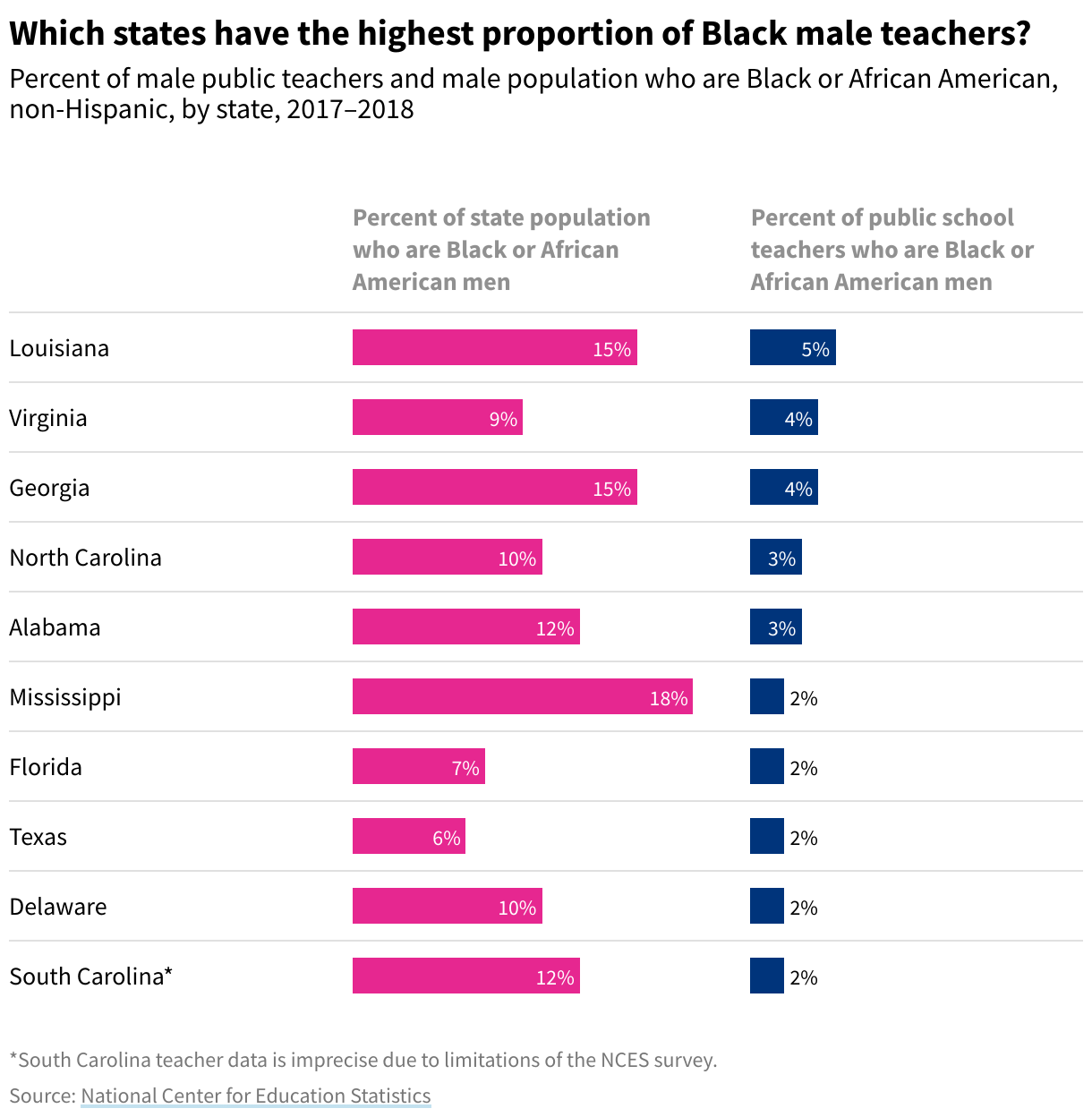
Credit: usafacts.org
Frequently Asked Questions
What Challenges Did Black Teachers Face In Southern Schools?
Black teachers faced segregation, lower pay, and limited resources. They often taught in underfunded schools with overcrowded classrooms. Their professional growth was restricted by discriminatory policies and unequal treatment compared to white teachers.
How Did Segregation Affect Black Teachers’ Careers?
Segregation confined Black teachers to separate schools with fewer opportunities. They were denied leadership roles and professional development. Segregation also limited their influence on educational policies affecting Black students.
Why Were Black Teachers Paid Less Than White Teachers?
Black teachers received lower salaries due to systemic racism and unequal funding. Southern states prioritized white schools financially, causing wage disparities. This pay gap reflected broader economic inequalities in the region.
What Restrictions Limited Black Teachers’ Teaching Methods?
Black teachers faced strict curriculum controls and surveillance. They had little freedom to innovate or address Black students’ cultural needs. Authorities often censored materials that promoted racial pride or civil rights.
Conclusion
Black teachers in the South faced many tough challenges. They had fewer resources and lower pay than others. Their work was often limited by unfair rules. Many could not teach certain subjects or grade levels. Despite these limits, they stayed strong and helped students learn.
Their efforts shaped education and opened doors for future generations. Their story reminds us of courage and hope. It shows the need for equal rights in schools today.