
Have you ever wondered where the best black tea comes from? If you’re someone who loves a rich, flavorful cup of tea, knowing the origin can make a huge difference.
The place where your black tea is grown affects its taste, aroma, and quality. You’ll discover the top regions famous for producing the finest black teas. By the end, you’ll know exactly which black tea to choose to satisfy your cravings and elevate your tea experience.
Keep reading to find out where your perfect cup begins.

Credit: uphaartea.in
Leading Black Tea Regions
Black tea grows best in certain parts of the world. These places have the right climate, soil, and altitude. Tea from these regions has unique flavors and aromas. Each area has a special way of growing and processing tea leaves. This makes their black teas stand out in taste and quality.
India’s Tea Estates
India is famous for its strong and bold black teas. Assam and Darjeeling are top tea regions here. Assam teas have a rich, malty flavor. Darjeeling teas are lighter with floral notes. Indian tea estates use traditional methods to pick and process leaves. These teas are popular worldwide for breakfast blends.
China’s Famous Black Teas
China produces black tea known as “red tea” locally. Yunnan and Fujian provinces grow the best black teas. Yunnan teas have a deep, earthy taste. Fujian teas offer sweet and fruity flavors. Chinese black teas are smooth and often less bitter. They are enjoyed plain or with milk and sugar.
Sri Lanka’s Ceylon Tea
Sri Lanka is known for its bright and brisk black teas. Ceylon tea comes from various regions like Nuwara Eliya and Uva. These teas have a fresh and citrusy flavor. The high altitude helps create a clean taste. Ceylon teas work well both hot and iced. They are a favorite for afternoon tea.
Kenya’s Growing Influence
Kenya is a newer player in the black tea market. Its teas are strong with bold color and taste. Kenyan tea farms use modern techniques to increase quality. These teas blend well with milk and sugar. Kenya exports large amounts of black tea worldwide. It is becoming a key name in global tea trade.
Unique Flavors By Origin
Black tea offers a world of flavors shaped by its origin. Each region gives tea a distinct taste and aroma. These unique flavors make black tea special and exciting to try. Understanding these differences helps you pick the perfect cup for your mood and taste.
Malty Notes From Assam
Assam tea is famous for its rich, malty flavor. It feels bold and full in your mouth. This tea comes from a hot and humid region in India. The strong taste pairs well with milk and sugar. Assam tea often starts your day with a warm, comforting boost.
Floral Scents Of Darjeeling
Darjeeling tea smells like fresh flowers and springtime. It grows in high hills with cool air. This tea is lighter and more delicate than Assam. Its soft, fruity taste makes it a favorite for afternoon tea. Darjeeling is often called the “champagne” of black teas.
Citrus Hints In Ceylon Tea
Ceylon tea comes from Sri Lanka’s sunny slopes. It has a bright, lively taste with citrus hints. This tea feels fresh and slightly tangy on your tongue. Ceylon tea works well both hot and iced. Its clear, crisp flavor refreshes any tea lover.
Bold And Bright Kenyan Varieties
Kenyan black tea stands out with its bold and bright character. It grows in fertile, high-altitude areas of Kenya. This tea has a strong, brisk taste with fruity notes. Kenyan tea is perfect for those who enjoy a sharp, lively brew. It often forms the base for many tea blends.
Harvesting And Processing Differences
Harvesting and processing black tea varies across regions. These differences shape the tea’s flavor and quality. Each method has unique steps that affect the final product. Understanding these helps appreciate the tea you drink.
Traditional Methods In Asia
Asia uses hand-picking for tea leaves. Workers select only the top two leaves and bud. This careful picking keeps the tea fresh and pure.
Leaves are withered under the sun or indoors. This reduces moisture and makes leaves soft. Next, leaves are rolled by hand or machine. Rolling breaks cell walls and starts oxidation.
Oxidation is closely watched by experts. It changes leaf color and flavor. After oxidation, leaves are dried to stop the process. This traditional method keeps tea rich and strong.
Modern Techniques In Africa
Africa uses machines for harvesting large tea fields. Machines cut leaves faster but less carefully. This method suits big plantations and high demand.
Withering is done using controlled air systems. It speeds up moisture loss and keeps consistency. Rolling and crushing use machines for uniform leaf damage.
Oxidation happens in big rooms with controlled temperature and humidity. This control helps produce consistent flavors. Drying is done by hot air dryers for quick finish.
Impact On Taste And Quality
Traditional Asian methods create complex, rich flavors. Hand-picking avoids unwanted leaves and gives smooth taste. Sun withering adds natural sweetness.
African techniques produce bold and brisk tea. Machine harvesting may add slight bitterness. Controlled oxidation keeps flavor steady across batches.
Both methods offer quality black tea. Taste depends on preference for smooth or strong flavors. Processing style plays a key role in tea character.
Factors Influencing Tea Quality
The quality of black tea depends on many important factors. Each factor changes the taste, aroma, and color of the tea. Understanding these factors helps us know why some teas are better than others. Tea growers carefully manage these elements to produce top-quality tea leaves.
Climate And Soil Conditions
Climate plays a big role in tea quality. Tea plants need a mix of warm days and cool nights. Too much heat or cold harms the leaves. Rainfall must be just right, not too much or too little. Soil also affects the tea’s flavor. Rich, well-drained soil with good minerals helps leaves grow strong and tasty.
Altitude And Its Effects
Higher altitudes often produce better tea leaves. Cool temperatures slow leaf growth, making flavors richer. Thin air at high altitudes adds unique taste notes. Tea from mountains tends to have a bright color and strong aroma. Lowland tea grows faster but may lack depth in flavor.
Plucking Standards
Careful leaf picking is key to quality tea. Pluckers select only the top two leaves and a bud. Younger leaves give better taste and aroma. Poor plucking includes old or damaged leaves, lowering tea quality. Skilled workers follow strict rules to keep tea fresh and flavorful.
Global Tea Market Trends
The global tea market is changing fast. More people want quality tea. Buyers care about how tea is grown and where it comes from. This changes how tea is sold worldwide.
Tea producers and sellers adapt to new trends. These trends shape the best black tea’s future. Understanding them helps know where top black tea comes from.
Rising Demand For Specialty Teas
People want unique tea flavors. Specialty teas are more popular now. Black teas with special tastes attract many buyers. Small farms grow rare tea varieties. This makes black tea more interesting and diverse.
Sustainable And Ethical Sourcing
Buyers want tea grown with care for nature. Farms use safe ways to protect the environment. Fair pay and good work conditions matter. Tea brands show they follow these rules. This builds trust and keeps customers loyal.
Emerging Tea-producing Countries
New countries start growing black tea. These places offer fresh flavors and styles. They compete with traditional tea giants. This adds variety to the market. It helps find the best black tea in new spots.
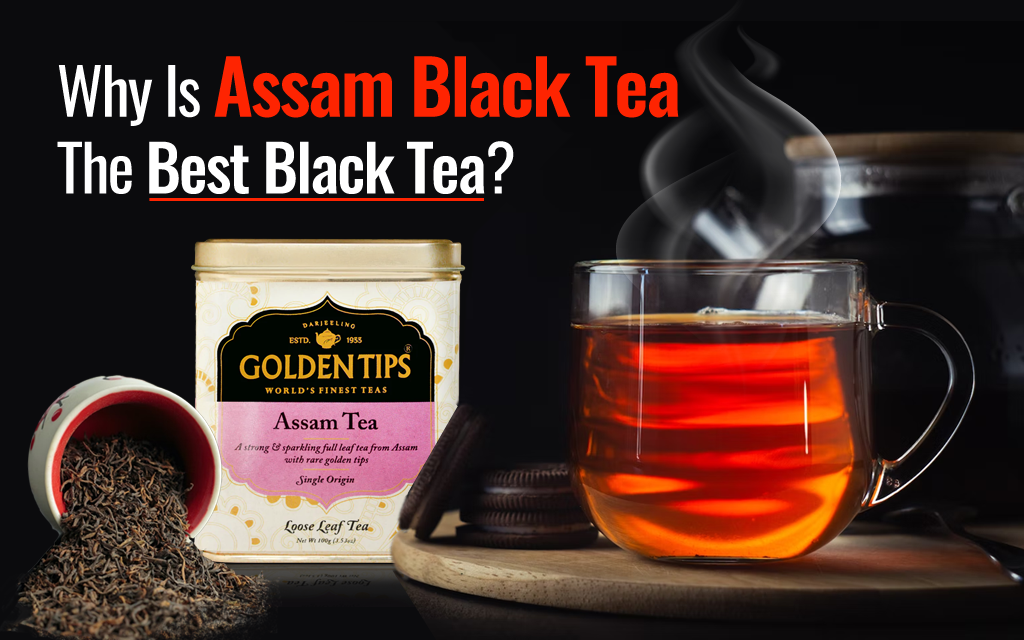
Credit: www.goldentipstea.com

Credit: senchateabar.com
Frequently Asked Questions
Where Is The Best Black Tea Grown Worldwide?
The best black tea comes from regions like Assam and Darjeeling in India, Sri Lanka, and China’s Yunnan. These areas have ideal climates and soil for rich flavor development in black tea leaves.
What Makes Assam Black Tea Unique?
Assam black tea is known for its bold, malty flavor and bright color. It grows in a warm, humid climate that enhances its strong, robust taste.
How Does Darjeeling Black Tea Differ?
Darjeeling black tea has a delicate, floral aroma and a light, muscatel flavor. It grows at high altitudes with cool temperatures, producing a unique, sought-after tea.
Why Is Sri Lankan Black Tea Popular?
Sri Lankan black tea, also called Ceylon tea, is prized for its bright, citrusy flavor and briskness. It grows in diverse elevations, creating varied taste profiles.
Conclusion
The best black tea comes from regions with perfect climate and soil. Places like India, Sri Lanka, and China grow unique flavors. Each area offers a special taste and aroma. Tea lovers enjoy trying different types from these regions. Quality depends on how leaves are picked and processed.
Exploring these teas can be a fun experience. Remember, the best black tea matches your personal taste. Enjoy your cup and discover new favorites from top tea regions.