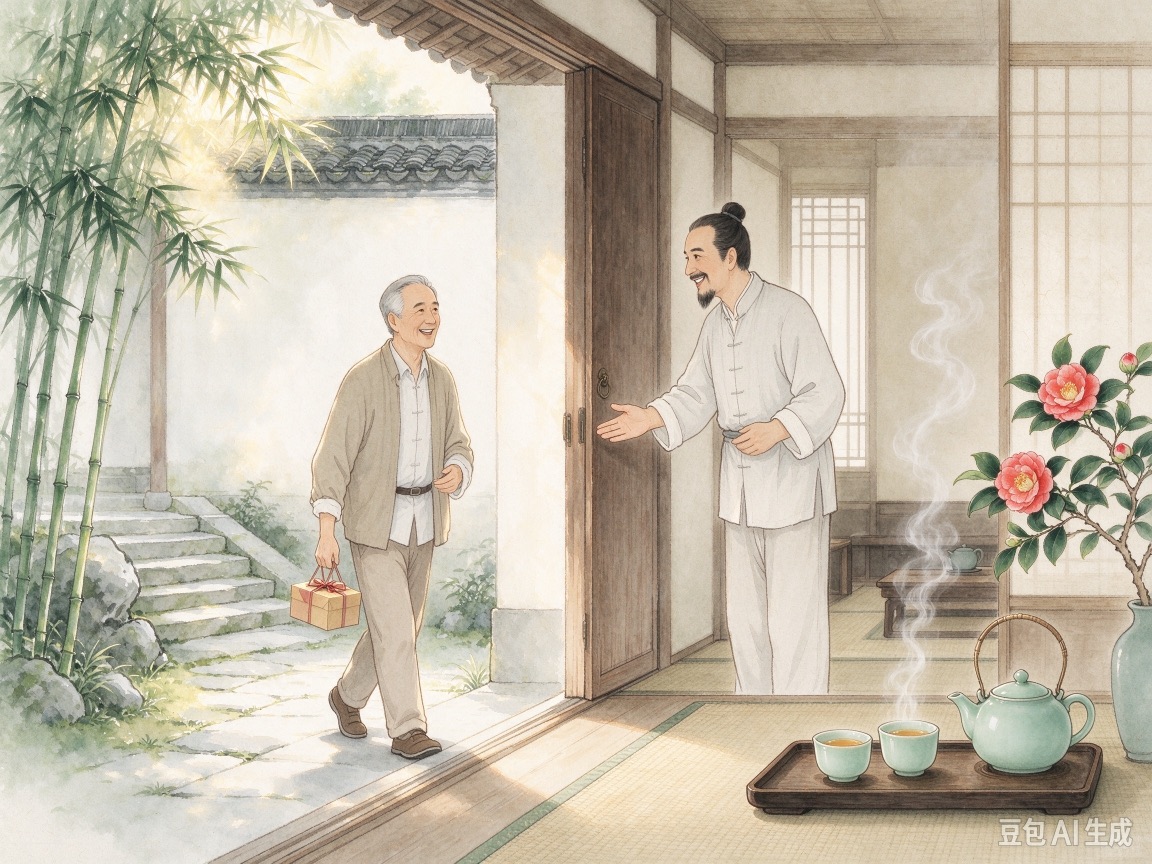

If you’re looking for a fresh, gentle way to boost your health and enjoy a calming moment, white tea leaves might be exactly what you need. These delicate leaves hold powerful benefits that many people overlook.
Imagine a tea that’s light in flavor but rich in antioxidants, helping your body fight stress and stay vibrant. You’ll discover why white tea leaves deserve a spot in your daily routine and how they can transform your tea experience.
Keep reading to unlock the secrets behind this natural treasure.
Origins Of White Tea
White tea is one of the oldest and rarest types of tea. It has a delicate flavor and light color. Its origins trace back to ancient China. People treasured this tea for its purity and natural taste. The process of making white tea is simple but requires great care. Understanding where white tea comes from helps us appreciate its unique qualities.
Cultivation Regions
White tea mainly grows in the Fujian province of China. The region’s cool climate and misty hills create ideal conditions. Other areas, like parts of India and Sri Lanka, also grow white tea. Still, Fujian remains the most famous place. The soil there is rich and supports healthy tea plants. These regions produce leaves with subtle and sweet flavors.
Harvesting Techniques
Harvesting white tea is a careful and slow process. Pickers select only young buds and the top two leaves. These parts contain the best flavors and nutrients. The leaves are handpicked early in the morning. This helps keep their freshness and aroma. After picking, the leaves dry naturally under the sun or in a controlled area. This minimal processing preserves the tea’s natural taste.
Unique Characteristics
White tea leaves stand out for their rare and delicate qualities. These unique traits make white tea a favorite among tea lovers worldwide. Its gentle nature comes from careful growing and handling. The subtle taste and light color make it different from other teas.
Appearance And Flavor
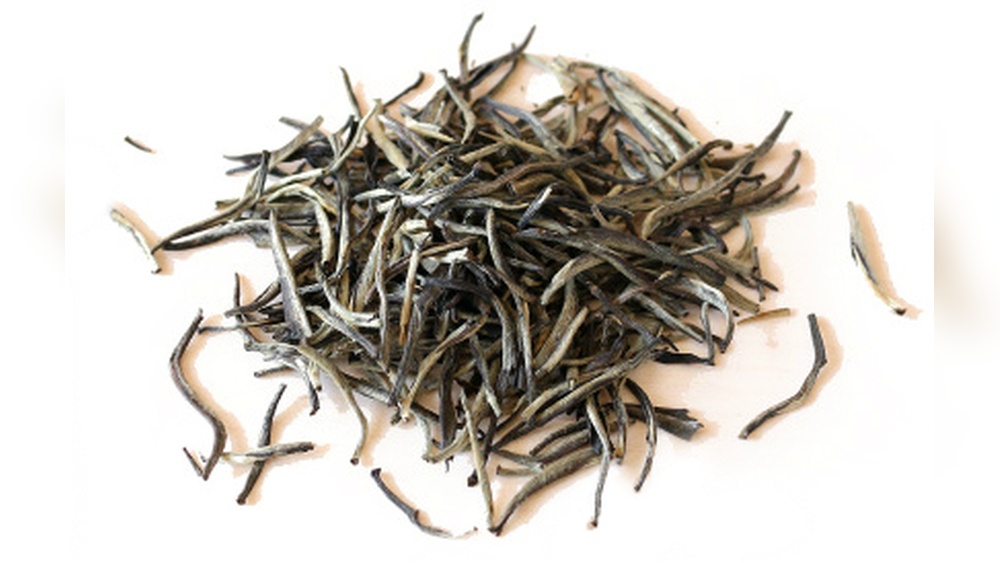
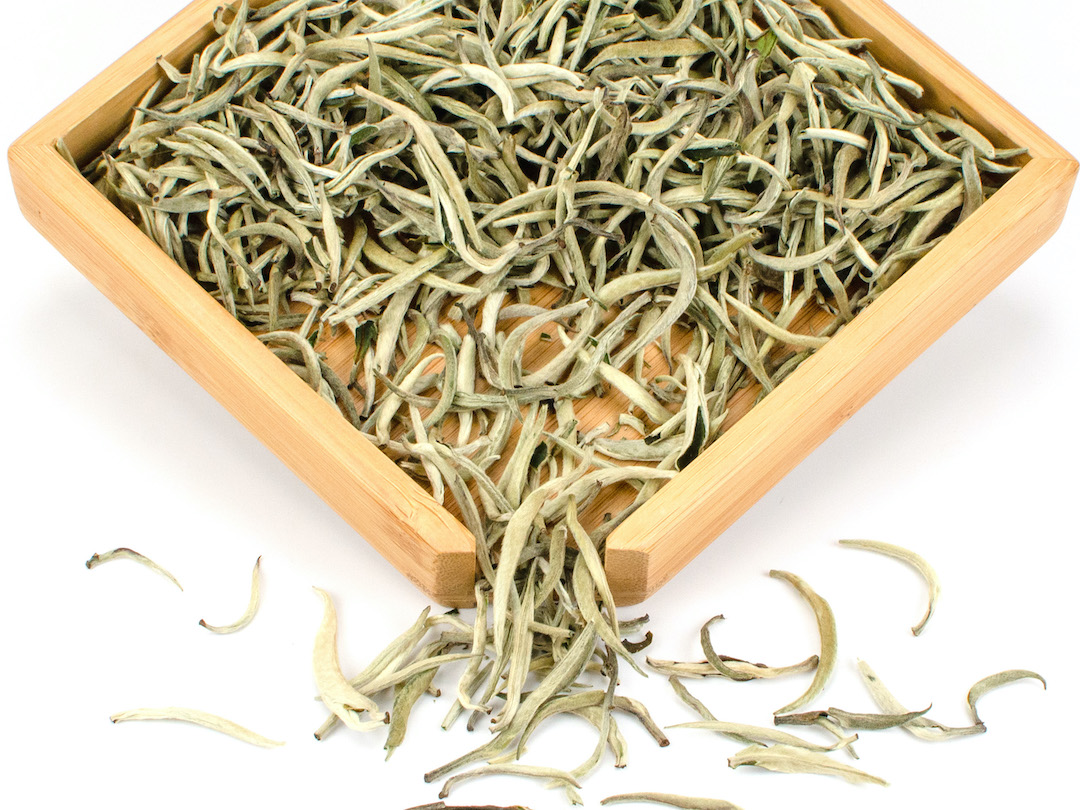
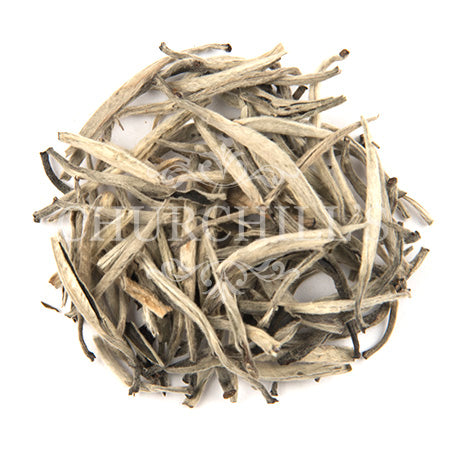
White tea leaves look soft and fuzzy. They often have tiny silvery hairs on the buds. The leaves are pale green or light brown. This gentle look matches the mild flavor.
The flavor is smooth and light. It has a sweet, fresh taste with hints of honey and flowers. White tea is less bitter than black or green tea. It feels calm and refreshing in the mouth.
Processing Methods
White tea undergoes minimal processing. The leaves are simply picked and allowed to dry naturally. There is no rolling or heavy oxidation. This keeps the leaves close to their natural state.
The drying process can be done in the sun or in a cool, shaded place. This slow drying helps keep the delicate flavor. The simple method preserves antioxidants and nutrients well.
Nutritional Profile
White tea leaves offer a unique nutritional profile that supports overall health. This tea is less processed than other types, preserving many natural compounds. Its nutrients work together to provide gentle benefits for the body.
Antioxidant Content
White tea is rich in antioxidants. These compounds help protect cells from damage. They fight harmful molecules called free radicals. White tea contains catechins and polyphenols, strong antioxidants found in tea leaves.
These antioxidants support the immune system and slow aging. They may also help reduce inflammation. Drinking white tea regularly can boost your body’s defense naturally.
Key Vitamins And Minerals
White tea has small amounts of vitamins and minerals. It contains vitamin C, which supports immunity and skin health. Some B vitamins help with energy and brain function.
Minerals like potassium, magnesium, and calcium are present too. These minerals help maintain healthy muscles and bones. The levels are not very high, but they add to tea’s benefits.

Health Benefits
White tea leaves offer many health benefits that support overall wellness. They contain natural compounds that help protect the body. Drinking white tea regularly can improve your health in simple ways.
These benefits come from antioxidants and nutrients found in the leaves. White tea is gentle but powerful for your body. It helps boost immunity, supports heart health, and improves skin wellness.
Boosting Immunity
White tea contains antioxidants that fight harmful germs. These antioxidants help your body defend against infections. Drinking white tea can strengthen your immune system naturally. It supports your body’s ability to stay healthy and recover faster.
Supporting Heart Health
White tea helps keep your heart strong. It lowers bad cholesterol and improves blood flow. The antioxidants in white tea protect your heart from damage. Drinking white tea regularly can reduce the risk of heart disease.
Enhancing Skin Wellness
White tea helps keep your skin clear and smooth. It fights free radicals that cause skin aging. The antioxidants protect your skin from damage caused by the sun. Drinking white tea supports healthy, glowing skin from inside out.
White Tea And Weight Management
White tea leaves have gained attention for their potential role in weight management. Drinking white tea may support healthy weight loss and help maintain a balanced body.
Its natural compounds work gently with the body to boost some processes that aid fat loss. White tea is a mild option for those seeking natural ways to manage weight.
Metabolism Effects
White tea can help increase metabolism, the process that turns food into energy. A faster metabolism means the body burns more calories even at rest.
The antioxidants in white tea may stimulate metabolism naturally. This can support weight management by improving how the body uses energy.
Fat Oxidation Support
Fat oxidation means breaking down fat for energy. White tea helps enhance this process, allowing the body to use fat more efficiently.
Some studies suggest that white tea compounds can promote fat breakdown. This action supports reducing stored fat and improves body composition over time.
Incorporating White Tea Daily
Incorporating white tea into your daily routine can boost health and calm the mind. This delicate tea offers antioxidants and a gentle caffeine lift. Drinking white tea often supports hydration without added sugar or calories.
Adding white tea to your day is easy. It fits well with many meals and moments. A warm cup in the morning or afternoon refreshes and relaxes.
Brewing Tips
Use fresh, pure water for the best taste. Heat water to about 175°F (80°C). Avoid boiling water to keep flavors smooth and mild. Steep white tea leaves for 3 to 5 minutes. Longer steeping may cause bitterness. Use one teaspoon of leaves per cup. Cover the tea while it brews to keep heat in. Strain leaves before drinking. Enjoy the natural, subtle aroma.
Recipe Ideas
Try white tea as a simple hot drink. Sweeten lightly with honey or lemon if desired. For a refreshing twist, chill brewed tea and add ice. Mix white tea with fruit slices like peach or mint leaves. Use brewed white tea as a base for smoothies. Blend with berries and yogurt for a healthy snack. White tea also pairs well with light salads or steamed vegetables. Explore flavors with small changes to find your favorite.
Potential Side Effects
White tea leaves offer many health benefits. Still, some people may face side effects. Knowing these effects helps you enjoy white tea safely. Pay attention to your body’s signals after drinking it.
Caffeine Sensitivity
White tea contains caffeine, though less than black or green tea. Some people feel jittery or restless after drinking it. Others may have trouble sleeping if they drink it late. Start with small amounts to see how your body reacts. Avoid white tea before bedtime to prevent sleep issues.
Allergic Reactions
Rarely, some people may have allergic reactions to white tea leaves. Symptoms include itching, rash, or swelling. If you notice these signs, stop drinking white tea right away. Consult a doctor if symptoms worsen or do not go away. Always check for allergies before adding new teas to your diet.
Frequently Asked Questions
What Are White Tea Leaves Made From?
White tea leaves are made from young tea buds and leaves. They undergo minimal processing, preserving natural antioxidants and delicate flavors.
How Is White Tea Different From Green Tea?
White tea is less processed than green tea. It is air-dried, not rolled or oxidized, resulting in a lighter, sweeter taste.
What Are The Health Benefits Of White Tea Leaves?
White tea contains antioxidants that support heart health, skin protection, and weight management. It also has anti-inflammatory and antibacterial properties.
How Should I Brew White Tea Leaves Properly?
Use water at 160-185°F (70-85°C). Steep white tea leaves for 3-5 minutes to avoid bitterness and extract delicate flavors.
Conclusion
White tea leaves offer a gentle flavor and many health benefits. They come from young tea buds and have less processing. This keeps their natural antioxidants strong and fresh. Drinking white tea can support your body and calm your mind.
It is a simple, natural choice for daily tea lovers. Try white tea leaves to enjoy a pure and mild taste. Small changes like this can boost your tea time. Enjoy the calm and health that white tea brings.