
Have you ever wondered how something as simple as a cup of tea or coffee can impact a whole country? In Rwanda, growing tea and coffee isn’t just about enjoying your morning drink—it plays a huge role in shaping the nation’s economy.
When you learn why these crops matter so much, you’ll see how they affect jobs, income, and even the future of Rwandan communities. Keep reading to discover how your daily cup connects to the lives of millions and why supporting these industries could make a big difference for Rwanda’s growth.
Tea And Coffee In Rwanda’s Economy
Tea and coffee play a big role in Rwanda’s economy. These crops help many families earn a living. They also bring money from other countries. Rwanda’s hills and weather are perfect for growing tea and coffee. This makes the country’s products special and in demand.
Both tea and coffee grow mainly in rural areas. Farming these crops creates jobs for thousands of people. From planting to processing, many hands are involved. This keeps rural communities strong and active.
Tea And Coffee As Key Export Products
Tea and coffee are Rwanda’s top export goods. They earn much of the country’s foreign money. Exporting these crops helps pay for important needs. Roads, schools, and hospitals get funding from these sales. The government supports tea and coffee farmers to keep quality high.
Supporting Rural Livelihoods And Employment
Growing tea and coffee gives jobs to many rural families. Small farmers depend on these crops for income. Women and young people find work in farming and processing. This reduces poverty and helps families send children to school. Jobs in tea and coffee help keep villages alive.
Promoting Sustainable Agriculture And Environmental Care
Tea and coffee farming encourages good land use. Farmers use methods that protect the soil and water. Shade trees and natural compost keep farms healthy. These crops support the environment better than many other plants. Sustainable farming helps Rwanda stay green and productive.
Economic Contributions Of Tea And Coffee
Tea and coffee are key to Rwanda’s economy. They bring many benefits to the country. These crops help Rwanda earn money, create jobs, and support rural life. The impact of tea and coffee goes beyond farming. It touches many parts of the economy and society.
Export Revenues
Tea and coffee are major export products for Rwanda. They bring in a large share of the country’s foreign income. Many buyers from different countries buy these products. This helps Rwanda pay for imports and invest in public services. Exporting tea and coffee supports the national budget. It also helps keep the economy stable.
Employment Opportunities
Growing tea and coffee creates many jobs. Farmers, pickers, and factory workers all find work in this sector. These jobs are often in rural areas where there are few other options. Women and young people also benefit from these jobs. Employment in tea and coffee helps reduce poverty. It gives people a steady income and better lives.
Rural Development
Tea and coffee farming improves rural communities. The money earned is often spent locally. This boosts small businesses and services in villages. Farmers invest in education, health, and homes. Roads and infrastructure improve around farming areas. This development helps raise living standards. It makes rural life more sustainable and secure.
Social Impact Of Tea And Coffee Farming
The social impact of tea and coffee farming in Rwanda goes beyond economics. These crops shape lives and communities across the country. They provide jobs and improve living standards for many families. The farming of tea and coffee creates a strong social fabric.
Improving Livelihoods
Tea and coffee farming offers steady income to rural families. This income helps pay for food, education, and health care. Farming also reduces poverty by providing regular work. Many households move from struggle to stability. This change improves quality of life for children and adults.
Empowering Smallholder Farmers
Most tea and coffee farmers in Rwanda are smallholders. These farmers gain more control over their work and profits. Training helps them improve farming skills and crop quality. Access to markets allows fair prices for their products. Empowered farmers can invest in their land and future. This builds confidence and independence.
Community Infrastructure
Tea and coffee farming supports building schools, roads, and health centers. Farmers often join cooperatives that fund local projects. These projects improve daily life and access to services. Better infrastructure creates stronger, healthier communities. It also attracts more opportunities and growth for the area.
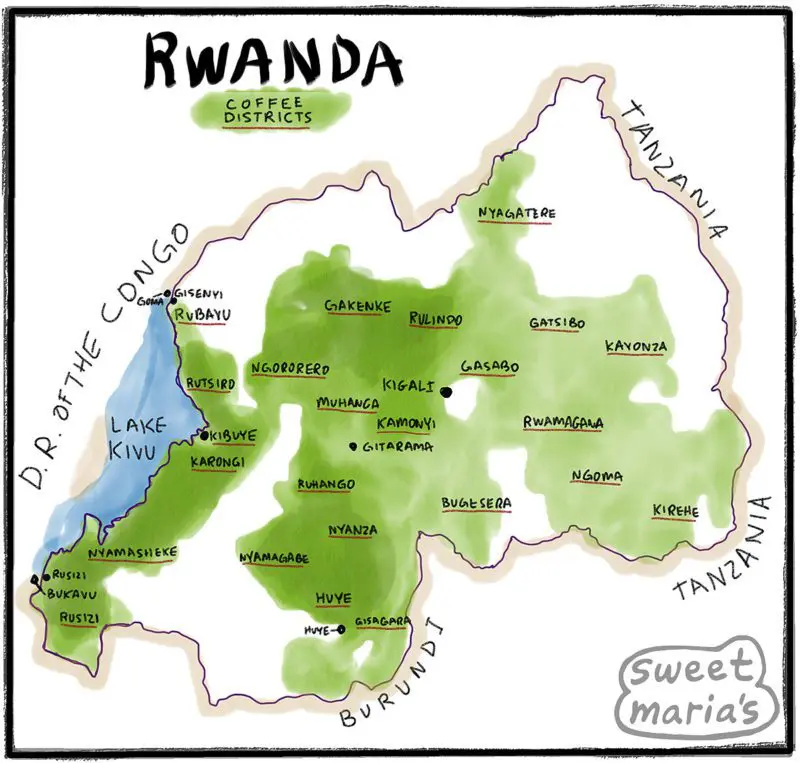
Credit: library.sweetmarias.com
Environmental Benefits Of Cultivation
Growing tea and coffee in Rwanda offers many environmental benefits. These crops help protect the land and support natural systems. The cultivation methods used promote care for the soil and plants. This makes farming good for the environment and the economy.
Sustainable Farming Practices
Rwandan farmers use farming methods that save resources. They avoid harmful chemicals and use natural fertilizers. These practices keep the soil healthy and water clean. Farmers also plant shade trees to protect crops and reduce erosion. This approach helps farms last longer and stay productive.
Soil Conservation
Tea and coffee plants hold the soil in place. Their roots stop soil from washing away during heavy rains. Farmers build terraces on hills to slow water flow. This prevents soil loss and keeps land fertile. Healthy soil means better crop growth and less need for fertilizers.
Biodiversity Preservation
Tea and coffee farms create habitats for many animals and plants. Shade trees and natural areas support birds, insects, and small mammals. These farms help keep Rwanda’s natural balance. Protecting biodiversity also helps control pests naturally. This reduces the need for chemical pesticides.
Challenges Facing Tea And Coffee Sectors
The tea and coffee sectors play a big role in Rwanda’s economy. Many farmers and workers depend on these crops. Still, these sectors face several challenges. These problems affect production and income. Understanding these challenges helps find ways to support farmers and improve the economy.
Climate Change Effects
Rwanda’s weather is changing. Rain patterns are less predictable. Droughts and floods harm tea and coffee plants. High temperatures reduce crop quality and yield. Farmers struggle to adapt to these changes. Climate change makes farming more risky and costly.
Market Fluctuations
Prices for tea and coffee often change. Global demand and supply affect prices. Farmers earn less when prices drop. Unstable markets make planning hard. Small farmers face income uncertainty. This limits their ability to invest in better farming.
Infrastructure Limitations
Many rural areas lack good roads and storage. Poor roads delay transport to markets. Coffee and tea can lose quality during transport. Limited storage causes product spoilage. These issues increase costs and reduce profits. Better infrastructure is needed to support growth.

Credit: x.com
Future Prospects And Opportunities
The future of Rwanda’s tea and coffee industries looks bright. These crops are key to the country’s growth. They provide jobs and income for many families. New chances arise to make these sectors stronger. Rwanda can build more value and reach new buyers worldwide. The use of new technology can improve quality and yield.
Value Addition And Processing
Rwanda can boost its economy by processing tea and coffee locally. Turning raw crops into finished products raises their value. This creates jobs in factories and packaging. Exporting processed goods brings higher prices than raw materials. It also helps build Rwanda’s brand as a quality producer. More factories mean better chances for small farmers to sell their produce.
Expanding Export Markets
Rwanda can find new customers for its tea and coffee. Many countries want high-quality, unique flavors. Rwanda’s specialty teas and coffees meet this demand. Entering new markets increases sales and income. It also reduces risks from relying on a few buyers. Trade agreements and marketing help open doors globally. Growing exports support the whole economy and improve farmers’ lives.
Innovation And Technology Adoption
New technology can improve tea and coffee farming in Rwanda. Better seeds, irrigation, and pest control raise harvests. Digital tools help farmers track weather and prices. Technology can also improve processing and packaging. These advances reduce waste and increase quality. Training farmers to use technology is essential. Innovation will make Rwanda’s tea and coffee more competitive worldwide.

Credit: www.etsy.com
Frequently Asked Questions
Why Is Tea Growing Vital For Rwanda’s Economy?
Tea growing boosts Rwanda’s economy by creating jobs and increasing exports. It supports rural communities and generates foreign exchange. Tea production also encourages infrastructure development and attracts investment, enhancing overall economic growth in the country.
How Does Coffee Farming Impact Rwanda’s Economy?
Coffee farming is a major source of income for many Rwandan farmers. It contributes significantly to export earnings and rural development. The coffee sector also promotes sustainable farming practices and improves livelihoods, playing a key role in Rwanda’s economic stability.
What Makes Tea And Coffee Important Export Products?
Tea and coffee are Rwanda’s top agricultural exports. They bring in substantial foreign currency, helping balance trade deficits. These commodities enhance Rwanda’s global trade presence and drive economic diversification beyond subsistence farming.
How Do Tea And Coffee Support Rural Communities?
Tea and coffee farming provide employment and steady income in rural areas. They empower smallholder farmers and improve local infrastructure like roads and schools. This economic activity reduces poverty and promotes community development.
Conclusion
Tea and coffee farming plays a big role in Rwanda’s economy. It creates jobs for many people across the country. These crops help farmers earn steady income each year. Exporting tea and coffee brings money from other countries. This money supports schools, roads, and health services.
Growing these plants also helps protect the environment by keeping the soil healthy. Small farmers gain new skills and improve their lives. Tea and coffee remain important for Rwanda’s future growth and success. A strong farming sector means a stronger nation.