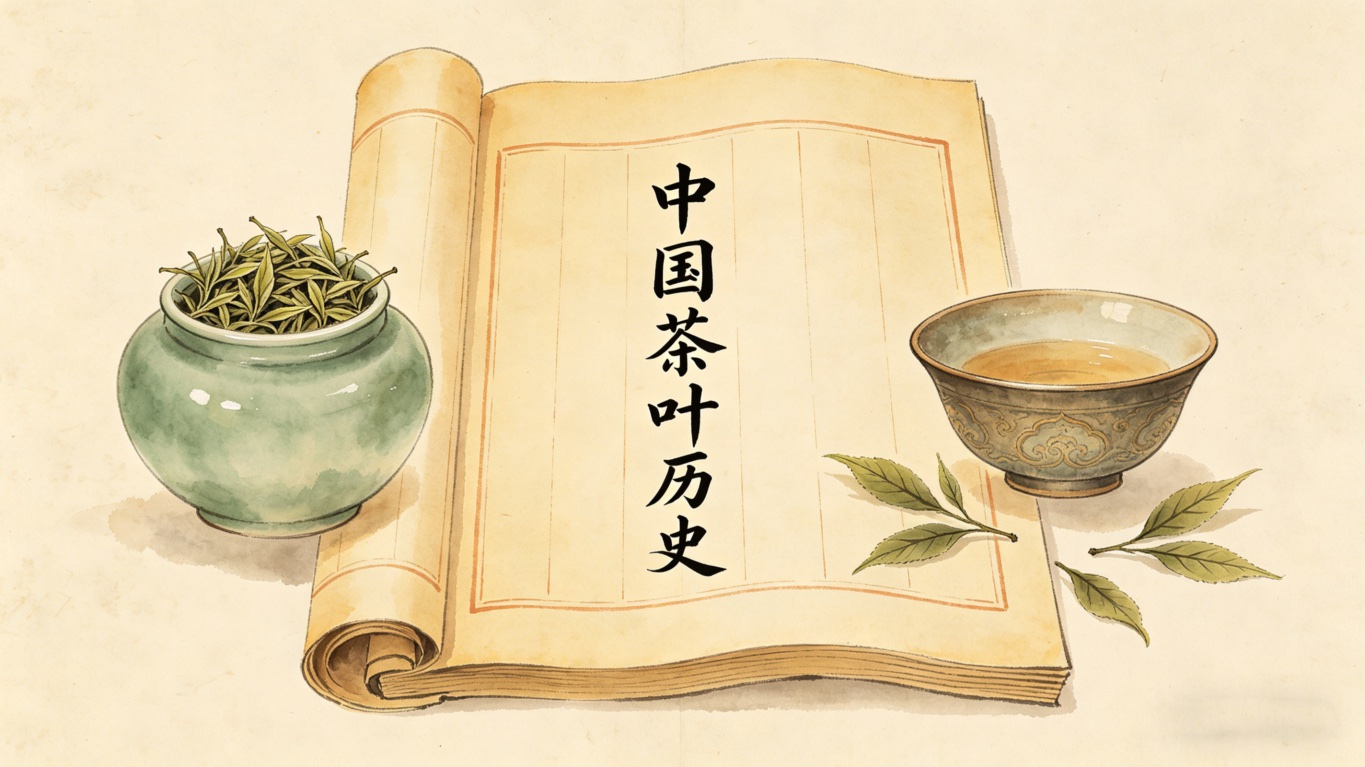

History of Chinese Tea: Culture in China

Delve into the rich tapestry of Chinese tea, a journey that spans millennia and intertwines deeply with the nation’s cultural identity. From its legendary origins to its modern-day global influence, the history of Chinese tea offers a fascinating glimpse into the evolution of one of the world’s most cherished beverages.
Introduction to Tea in China

Overview of Chinese Tea
Chinese tea, a staple of daily life and a profound cultural symbol, boasts a heritage unlike any other. The sheer diversity of Chinese tea is astounding, encompassing a vast array of types. Each type of tea reflects unique cultivation methods, processing techniques, and regional characteristics. The careful selection of tea leaves, the meticulous tea-making process, and the nuanced tea brewing methods all contribute to the distinct flavors and aromas that make Chinese tea so celebrated worldwide. The role of tea in China extends far beyond mere refreshment; it is an integral part of social rituals, traditional medicine, and artistic expression, shaping the very fabric of Chinese culture.
| Tea Type | Characteristics |
|---|---|
| White Tea | Delicate |
| Green Tea | Refreshing |
| Black Tea | Robust |
| Oolong Tea | Aromatic |
| Pu-erh Tea | Earthy |
Importance of Tea in Chinese Culture
The importance of tea in Chinese culture cannot be overstated; it is a thread woven deeply into the tapestry of daily life, philosophy, and art. Tea drinking is a cherished daily ritual for millions of Chinese people, a moment of contemplation and connection. Chinese tea culture is evident in everything from the elaborate tea ceremonies, which are performed with precision and grace, to the simple act of sharing a cup of tea with a friend. Teahouses serve as vital social hubs, where stories are exchanged and business deals are struck. The reverence for tea has permeated Chinese history, influencing literature, painting, and poetry, and serving as a symbol of hospitality, respect, and spiritual purity. The culture of tea in China is a living tradition, continuously evolving yet deeply rooted in ancient customs.
Historical Roots of Tea
The historical roots of tea in China stretch back thousands of years, shrouded in both documented history and captivating Chinese legend. According to Chinese tradition, the first tea was discovered by the Chinese Emperor Shen Nung around 2737 BCE, when tea leaves from a wild tea plant drifted into his boiling water. This auspicious accident marked the beginning of the history of tea in China. Initially, tea was consumed for its medicinal properties, before its recreational appeal led to widespread tea consumption. Early methods of tea preparation involved boiling the tea leaves, sometimes with other herbs. As centuries passed, the methods of tea making evolved, leading to more refined techniques and the eventual development of various types of tea. This gradual transformation laid the groundwork for the sophisticated tea culture that would define Chinese society.
The Evolution of Tea

Origins of Tea Drinking
The origins of tea drinking are deeply embedded in Chinese history, with the popular Chinese legend attributing its discovery to the Chinese Emperor Shen Nung in 2737 BCE. While perhaps apocryphal, this tale highlights the ancient roots of tea in China. Initially, the tea plant was valued for its medicinal properties, with early methods of tea preparation involving the boiling of tea leaves for curative concoctions. Over time, as people began to drink tea regularly, its role shifted from purely medicinal to a more widespread beverage. The first tea was likely consumed in crude forms, far removed from the refined tea brewing techniques of later eras, but it laid the foundation for the profound tea culture that would eventually permeate every aspect of Chinese society.
The Development of Tea Traditions
As tea consumption grew, so too did the development of intricate tea traditions within Chinese culture. From the simple act of preparing a brew to elaborate tea ceremonies, the methods of tea making evolved significantly. During the Tang Dynasty, the “Classic of Tea” by Lu Yu standardized tea preparation and elevated the act of drinking tea to an art form, influencing subsequent generations of tea makers and enthusiasts. This period saw the rise of teahouses as social hubs and the widespread adoption of different types of tea, including early forms of green tea. The spread of tea was not just geographical but also cultural, deeply intertwining with philosophy, poetry, and art, making tea an indispensable element of Chinese elite society and daily life.
Tea Brick and Its Significance
The tea brick, also known as brick tea or tea cakes, played a crucial role in the history of tea, particularly during periods of extensive tea trade. These compressed blocks of tea leaves were not only practical for storage and transport but also served as a form of currency along routes like the famous Tea Horse Road. This method of tea preparation was especially prevalent for pu-erh tea, known for its ability to age and ferment beautifully. The tea brick facilitated the spread of tea to remote regions and beyond China’s borders, cementing its importance in both economic and cultural exchanges. The production of tea bricks exemplifies an ingenious aspect of traditional Chinese tea making, showcasing the adaptability and enduring legacy of Chinese tea.
Chinese Tea Culture

Tea Ceremonies and Their Rituals
Chinese tea ceremonies are profound expressions of Chinese tea culture, meticulously performed rituals that transcend simple tea drinking. Participants engage in a graceful sequence of steps, from warming the teaware to infusing and serving the tea, often using specific types of tea like oolong tea or pu-erh tea. The aesthetics of the teaware, the quality of tea, and the serene environment all contribute to an immersive experience. Unlike the Japanese tea ceremony, which often carries a more rigid formality, Chinese tea ceremonies offer a spectrum of styles, from the deeply meditative to the more convivial, reflecting the diverse approaches to tea in China. These rituals underscore the deep respect for the art of tea and its historical significance.
| Ceremony Example | Key Focus |
|---|---|
| Gongfu Tea Ceremony | Bringing out optimal tea flavor, spiritual contemplation, and hospitality. |
Regional Variations in Tea Drinking
The vast geography of China has led to significant regional variations in tea drinking and tea production, enriching Chinese tea culture. The methods of tea preparation, preferred types of tea, and the social context of tea consumption differ greatly from one region to another.
| Region | Key Tea Types / Characteristics |
|---|---|
| Southeastern Provinces | Green tea and Oolong tea cultivation thrives; brewing methods highlight distinct aromatic profiles. |
| Fujian | Renowned for white tea and oolong. |
| Zhejiang | Famous for exquisite green tea varieties. |
| Yunnan Province | Historical home of pu-erh tea; tradition of aging tea cakes is deeply ingrained. |
This diversity contributes to the rich tapestry of Chinese tea history, illustrating how local traditions have shaped the global tea landscape and the unique character of tea in China.
The Role of Tea in Social Interactions
Throughout Chinese history, tea has played an indispensable role in social interactions, serving as a cornerstone of hospitality, respect, and community. Teahouses, prevalent across China, have historically functioned as vibrant social hubs where Chinese people gather to relax, conduct business, and engage in conversation. The simple act of sharing a cup of tea, whether it’s a fragrant green tea or a robust black tea, symbolizes goodwill and strengthens bonds. Formal tea ceremonies are often performed during significant life events, such as weddings, demonstrating respect to elders and symbolizing unity. Even today, offering tea to guests is a universal gesture of welcome in Chinese culture. This profound integration of tea into social customs highlights its enduring importance beyond mere beverage consumption, solidifying its place in the everyday fabric of Chinese society and the culture of tea.
Influence of Tea in Chinese Legends

Myths and Stories Surrounding Tea
The origins of tea in China are deeply intertwined with enchanting myths and stories that have shaped Chinese culture for millennia. According to one prominent Chinese legend, the Chinese Emperor Shen Nung, the divine farmer, discovered tea by accident when tea leaves from a wild tea plant drifted into his boiling water in 2737 BCE. This serendipitous event marked the first tea consumption and the beginning of tea drinking. Another popular tale speaks of Bodhidharma, the founder of Zen Buddhism, who is said to have discovered the tea plant when he tore off his eyelids in frustration during meditation, and from them sprang the first tea bushes. These captivating narratives highlight the mystical reverence for tea in China and underscore its profound historical significance, linking the simple act of brewing tea to ancient wisdom and spiritual enlightenment, making tea an integral part of Chinese tradition.
Tea in Classical Literature
The profound influence of tea permeated classical Chinese literature, where it was celebrated by poets, scholars, and philosophers alike, deeply enriching Chinese tea culture. Lu Yu’s seminal work, the “Classic of Tea” (Chajing), written during the Tang Dynasty, is an unparalleled treatise that meticulously details the cultivation, processing, and preparation of tea, elevating tea making to an art form. This “book of tea” not only systematized tea drinking but also imbued it with philosophical meaning, influencing generations of tea makers and enthusiasts. Poets like Lu Tong penned verses extolling the virtues of tea, describing its ability to awaken the spirit and purify the mind. Through these literary works, the importance of tea in China was firmly established, reflecting its pervasive role in intellectual discourse and aesthetic appreciation among the Chinese elite and solidifying its place in the history of tea.
Symbolism of Tea in Chinese Legend
Beyond its literal consumption, tea holds rich symbolism within Chinese legend and daily life, reflecting its deep integration into Chinese culture. In many narratives, the tea plant symbolizes harmony, purity, and longevity, often associated with spiritual enlightenment and meditation. The act of tea drinking itself became a metaphor for achieving inner peace and understanding, particularly within Taoist and Buddhist traditions. Different types of tea, such as delicate green tea or robust black tea, can symbolize varying aspects of life and human experience. The sharing of tea in ceremonies often represents respect, hospitality, and the strengthening of social bonds. This profound symbolism underscores the enduring role of tea in China, illustrating how the humble tea leaf has transcended its physical form to become a powerful emblem of Chinese identity and a vital element of Chinese tradition throughout the history of tea.
The Modern Era of Tea in China

Contemporary Tea Practices
In the modern era, contemporary tea practices in China continue to evolve, blending ancient traditions with innovative approaches to tea production and tea consumption. While traditional tea ceremonies, particularly the Gongfu tea ceremony, remain cherished, there has been a significant resurgence in interest in unique tea brewing methods and the exploration of new types of tea. The casual act of tea drinking is still a daily ritual for millions of Chinese people, with teahouses serving as vibrant social hubs. There’s also a growing appreciation for artisan loose-leaf tea, with consumers seeking high-quality tea and ethically sourced products. The integration of modern technology in tea-making processes, from tea cultivation to packaging, is further enhancing efficiency and ensuring the sustained global influence of Chinese tea, showcasing the dynamic nature of Chinese tea culture.
Global Influence of Chinese Tea Culture
The global influence of Chinese tea culture is undeniable, as tea originally spread from China to all corners of the world, shaping diverse tea traditions. From the elegant Japanese tea ceremony, which draws heavily from Chinese origins, to the everyday black tea consumption in Western countries, the history of tea is largely a story of Chinese dissemination. The tea trade routes, including the ancient Tea Horse Road, facilitated the spread of tea and tea knowledge, making Chinese tea an international commodity. Today, Chinese tea remains a benchmark for quality and variety, with different types of tea like green tea, oolong tea, and pu-erh tea enjoying immense popularity worldwide. This enduring legacy underscores the profound impact of Chinese tea culture on global tea consumption, demonstrating how tea became a universal beverage deeply rooted in its Chinese origins.
Future Trends in Tea Consumption
Looking ahead, future trends in tea consumption in China are marked by a dynamic interplay of innovation, health consciousness, and a renewed appreciation for heritage. There is a growing demand for organic and sustainably produced tea, driven by an increasing awareness of health benefits and environmental concerns. The younger generation of Chinese people is exploring new ways to drink tea, incorporating it into contemporary lifestyles through ready-to-drink tea beverages and specialty tea cafes that offer modern interpretations of traditional blends. While classic green tea and black tea remain popular, there’s a burgeoning interest in artisanal and rare types of tea, encouraging further exploration of regional variations. This evolving landscape ensures that the role of tea in China will continue to adapt, securing the future of Chinese tea culture while honoring its illustrious past, maintaining its status as a global tea leader.