

This article explores the fascinating world of Chinese tea, delving into its rich history, diverse varieties, and the cultural practices surrounding its consumption. From ancient origins to modern-day preferences, we uncover what makes certain types of tea so popular in China and among tea drinkers worldwide.
Introduction to Chinese Tea

Historical Background of Tea in China
The history of tea in China is a long and storied one, dating back thousands of years and deeply interwoven with the nation’s cultural fabric. The tea plant, Camellia sinensis, is native to China, and it is here that the practice of drinking tea first originated. Initially used for medicinal purposes, tea gradually evolved into a popular beverage, its cultivation and preparation techniques refined over centuries. This rich tradition has given rise to countless varieties of tea, each with its own unique characteristics and story.
The Cultural Significance of Tea Drinking
Tea drinking holds immense cultural significance in China, transcending a simple beverage to become an integral part of daily life, rituals, and social interactions. Chinese tea culture emphasizes mindfulness, respect, and a deep appreciation for the artistry involved in preparing and enjoying tea. Whether it’s a formal tea ceremony or a casual gathering among friends, the act of drinking tea fosters connection and a sense of calm, embodying traditional Chinese values and hospitality. It’s a practice that truly defines a way of life for many Chinese people.
Overview of Tea Varieties
China is renowned for its vast array of tea varieties, each distinct in flavor, aroma, and processing methods. The primary categories include green tea, black tea, oolong tea, white tea, yellow tea, and dark tea, such as pu-erh. Green tea, known for its fresh and often grassy notes, undergoes minimal oxidation, while black tea, often referred to as red tea in China, is fully oxidized, resulting in a robust flavor. Oolong tea, a partially oxidized tea, offers a complex profile ranging from floral to nutty. White tea is lightly processed, and yellow tea involves a unique “smothering” step. Dark tea, a fermented tea, can age for decades, developing rich, earthy characteristics. Beyond these, flower tea like jasmine tea, where jasmine blossoms scent green tea leaves, also holds a special place, adding to the diversity of Chinese tea available for tea consumption.
Types of Chinese Tea
Green Tea: The Popular Choice
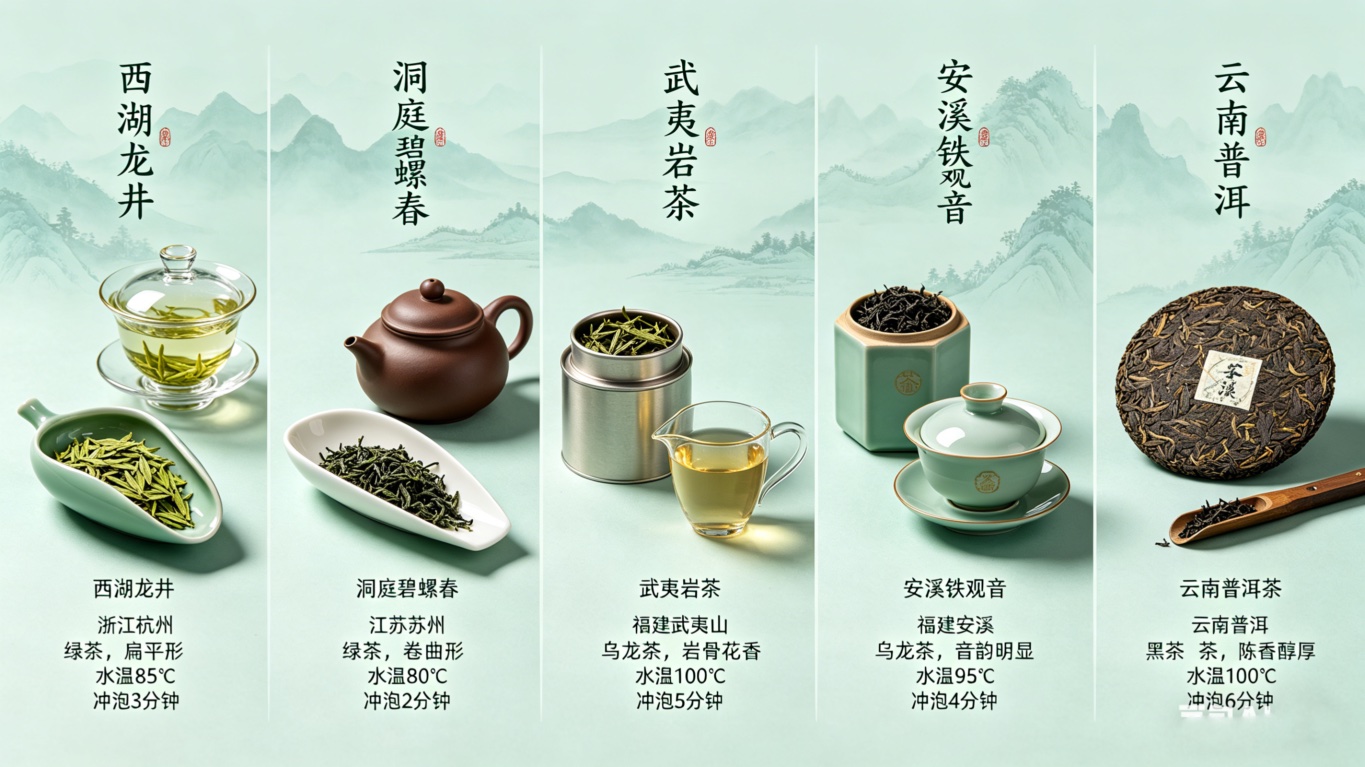
Green tea is an extremely popular type of tea, widely drunk in China and around the world, known for its fresh, sometimes grassy or nutty flavor profile. This type of Chinese tea undergoes minimal oxidation, which preserves its vibrant green color and delicate taste, truly showcasing the essence of the Camellia sinensis tea plant. The processing of green tea involves quickly pan-firing or steaming the tea leaves shortly after harvesting to halt the oxidation process. Dragon Well tea, or Longjing, from Zhejiang Province, is a famous variety of green tea, cherished for its flat, smooth leaves and sweet, refreshing brew, a true highlight for many tea drinkers.
Black Tea: The Oxidized Variation
Black tea, referred to as red tea in China due to the reddish hue of its infusion, is another highly consumed variety, especially in the West where black tea with milk is a common way to drink it, often in the form of Earl Grey. Unlike green tea leaves, black tea undergoes full oxidation, a process where the tea leaves are allowed to wither and then rolled to encourage enzymes to react with oxygen, developing their characteristic dark color and robust flavor. This makes for a strong, malty brew. Yunnan is a renowned region for its high-quality black tea, contributing significantly to the tea industry.
Oolong Tea: The Semi-Oxidized Brew
Oolong tea stands as a fascinating bridge between green and black tea, as it is a semi-oxidized brew, offering a wide spectrum of flavors and aromas. The partial oxidation process is carefully controlled, varying from 8% to 80% oxidized, resulting in oolong varieties that can range from light and floral to dark and malty. This nuanced processing creates a complex cup of cha, making oolong a favorite among connoisseurs seeking depth in their tea drinking experience. Wuyi oolong from the Wuyi Mountains in Fujian Province is particularly famous, known for its distinctive rocky mineral taste and fragrant, long-lasting aftertaste.
White Tea: The Delicate Infusion
White tea is revered for its delicate flavor and minimal processing, making it one of the most natural types of Chinese tea. This light infusion is produced from young tea leaves and unopened buds, primarily harvested in the Fujian province. White tea undergoes very little oxidation or handling; the leaves are simply withered and dried, preserving their natural sweetness and subtle, often floral or fruity notes. This gentle approach to processing ensures that white tea maintains a high concentration of antioxidants and offers a smooth, refreshing brew, a true testament to the purity of the tea plant.
Pu-erh Tea: The Aged Brew
Pu-erh tea, a distinctive type of dark tea, is a fermented tea that originates from Yunnan province and is celebrated for its earthy flavor and potential to improve with age, much like fine wine. Unlike other varieties that are consumed fresh, pu-erh is often pressed into cakes or bricks and aged for years, sometimes even decades. This unique fermentation process, which can be either raw (sheng) or ripe (shou), gives pu-erh its characteristic deep, rich, and sometimes musty aroma and flavor profile. It’s an important part of traditional Chinese tea culture, offering a profoundly satisfying brew for many tea drinkers.
Brewing Techniques for Chinese Tea

Gongfu Tea Ceremony: An Artful Brew
The Gongfu Tea Ceremony is a highly respected and traditional Chinese tea ritual, emphasizing precision and mindfulness in the preparation of cha. This elaborate process typically involves small teaware, including a Yixing clay teapot or gaiwan, a fairness cup, and tiny aroma cups. The ceremony focuses on extracting the optimal flavor from the tea leaves through multiple, short infusions. It’s a beautiful way to drink tea, particularly oolong tea and pu-erh, showcasing the intricate nuances of these varieties and truly embodying traditional Chinese tea culture.
Infusion Methods for Different Teas
The ideal infusion method varies significantly depending on the type of tea being brewed, as different teas require specific conditions to release their best flavors. Green tea leaves, for instance, generally prefer cooler water temperatures and shorter steeping times to prevent bitterness, while black tea leaves can withstand hotter water and longer infusions to develop their robust character. Oolong tea often benefits from multiple steeps with gradually increasing infusion times. Understanding these distinctions is crucial for tea drinkers to appreciate the full spectrum of flavors offered by different teas.
Tips for Brewing the Perfect Cup
Achieving the perfect cup of Chinese tea involves attention to several key details, from water quality to the ideal brewing vessel. Always use fresh, filtered water, as minerals can impact the tea’s flavor. The correct water temperature is paramount; for instance, green tea thrives at around 80°C, while black tea and pu-erh prefer boiling water. Using appropriate tea ware, whether a gaiwan for delicate oolong or a sturdy ceramic pot for strong black tea, also makes a significant difference in the brew. Experimenting with steeping times and leaf quantity will help you find your preferred infusion.
How Tea is Drunk in China

Traditional Tea Drinking Customs
Traditional tea drinking in China is steeped in history and social etiquette, going beyond merely consuming a beverage; it’s a cultural practice that fosters connection and respect. Tea is often served during family gatherings, business meetings, and as a gesture of hospitality. The act of offering tea, particularly to elders or esteemed guests, is a mark of honor. The type of tea chosen, whether it’s fragrant jasmine tea or a robust black tea, often reflects the occasion and personal preferences, truly showcasing the depth of Chinese culture in every cup of cha.
Modern Tea Culture and Trends
Modern tea culture in China, while respecting its deep-rooted traditions, has also embraced new trends and innovations, making tea consumption more accessible and diverse for contemporary Chinese people. While loose leaf tea remains popular, the convenience of tea bags and bottled tea drinks has also grown, especially among younger generations. There’s a burgeoning interest in specialty teas, artisanal blends, and even tea cocktails, reflecting a dynamic evolution. This blend of ancient customs and modern preferences ensures that tea remains an integral and evolving part of daily life and social interactions.
Health Benefits Associated with Drinking Tea
Drinking tea has long been associated with a wide array of health benefits, contributing to its enduring popularity among Chinese people and tea drinkers worldwide. Green tea, in particular, is celebrated for its high antioxidant content, which is believed to support cardiovascular health and boost metabolism. Different teas, from white tea to fermented tea like pu-erh, offer various wellness properties, including aiding digestion and promoting relaxation. These natural attributes contribute significantly to why tea is drunk as a daily ritual, intertwining well-being with traditional Chinese beverage enjoyment.