
Delve into the rich tapestry of Chinese tea, exploring its profound historical roots, its pivotal role in ancient society, and its transformative impact on global trade and culture. This article unravels the story of tea, from its mythical origins to its widespread consumption, showcasing its evolution into an integral part of Chinese identity and a beloved beverage worldwide.
History of Tea in China
Ancient Origins of Tea
The history of tea in China is as ancient and profound as Chinese civilization itself, with legendary tales placing the discovery of tea leaves as far back as 2737 BCE. It is widely believed that the Chinese Emperor Shen Nong, a mythical figure credited with introducing agriculture and medicine, accidentally discovered tea when some tea leaves from a tea plant drifted into his boiling water. This serendipitous event marked the first tea consumption, and from these humble beginnings, the tea-drinking tradition slowly began to take root. Early forms of tea were primarily used for medicinal purposes, consumed as a bitter tonic to aid digestion and promote overall well-being, laying the groundwork for what would become a global phenomenon and the foundation of Chinese tea culture.
Tea in Ancient Chinese Society
As centuries progressed, tea became more than just a medicinal herb; it evolved into a significant component of ancient Chinese society, deeply intertwining with daily life and philosophical practices. During the Tang Dynasty, tea drinking flourished, transforming into an art form and a symbol of refined taste, leading to the development of sophisticated tea ceremonies. Monks and scholars embraced tea for its ability to foster clarity of mind during meditation and study, further solidifying its status. Various types of tea, including green tea and later oolong tea and black tea, gained popularity, and the methods of tea preparation became increasingly intricate. This period saw the rise of tea houses, which served as vital social hubs where people gathered to enjoy a cup of tea, engage in intellectual discourse, and conduct business, underscoring tea’s pervasive influence.
The Role of Tea in Trade
The significance of tea in China extended far beyond its cultural and social impact, playing a crucial role in ancient trade networks and the global spread of tea. Tea production, particularly the creation of compressed tea into bricks, facilitated its transport over long distances, making it an ideal commodity for trade. The famed Silk Road, and later the specialized Ancient Tea Horse Road, became conduits for the tea trade, carrying valuable tea bricks from the tea-producing regions of China to distant lands. This extensive network not only introduced foreign cultures to the delights of Chinese tea but also stimulated economic growth and cultural exchange. The demand for Chinese tea varieties, from pu-erh tea to various loose-leaf tea types, spurred innovations in tea cultivation and tea making, cementing China’s position as the world’s foremost tea producer for centuries.
Tea Culture in China
Traditional Chinese Tea Ceremonies
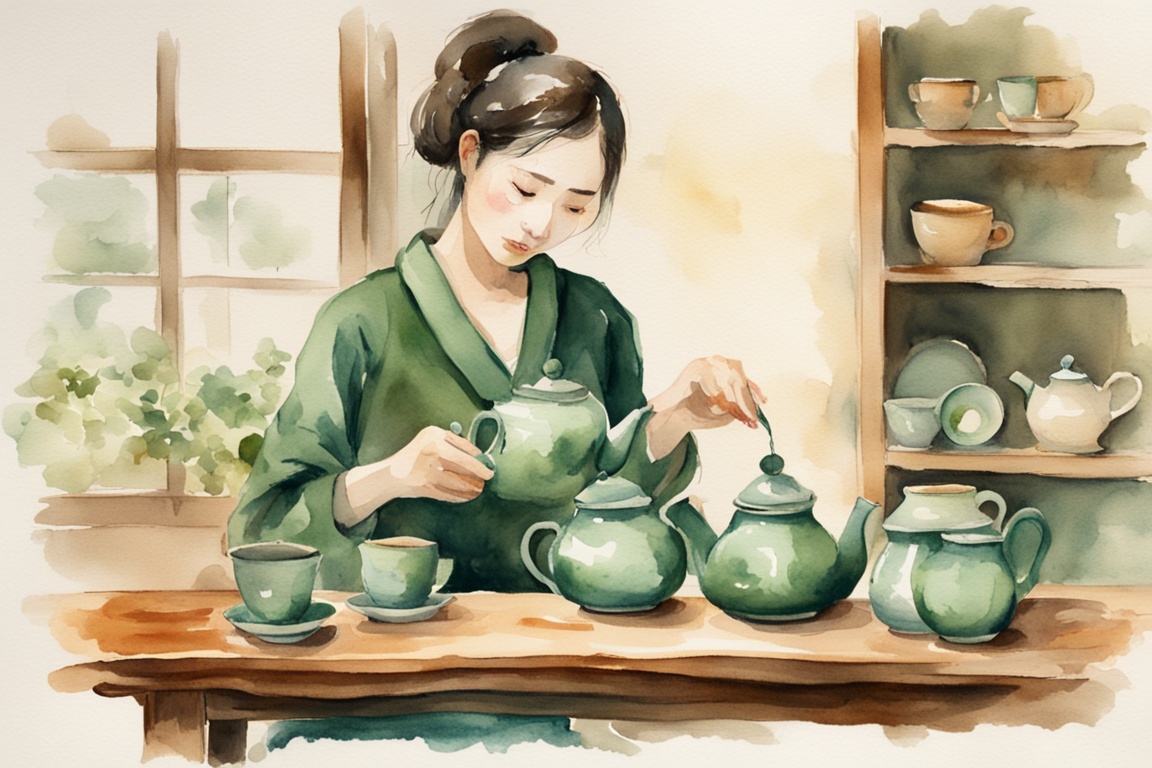
The heart of Chinese tea culture lies in its traditional Chinese tea ceremonies, which are far more than just methods of making tea; they are intricate rituals that embody centuries of philosophical thought and artistic expression. Each tea ceremony, whether it’s a formal gongfu tea ceremony or a more subdued gathering, emphasizes mindfulness and respect for the tea leaves, the tea master, and the participants. The art of tea preparation, from the precise temperature for brewing tea to the specific way a cup of tea is served, is meticulously followed to enhance the flavor and aroma of various types of Chinese tea, such as green tea or pu-erh tea, while also fostering a sense of community and appreciation for the moment. This ancient tradition underscores the profound significance of tea in China, reflecting a deep reverence for nature and heritage.
Types of Chinese Tea and Their Significance
China boasts an extraordinary diversity of tea, with each type of tea holding unique cultural significance and flavor profiles that reflect the varied landscapes and traditions of tea production across the country. Green tea, the most common and historically significant, is celebrated for its fresh, vibrant notes and its long-standing role in traditional Chinese medicine. Black tea, known in China as red tea, offers a bolder taste and became a crucial export in the tea trade, spreading Chinese tea culture globally. Oolong tea, a semi-oxidized variety, strikes a balance between green and black teas, often characterized by complex floral or fruity aromas. White tea, minimally processed, is prized for its delicate flavor, while yellow tea, a rare specialty, involves an extra step of ‘smothering’ that mellows its taste. Pu-erh tea, often aged and presented as a compressed tea brick or tea cake, is revered for its earthy depth and health benefits. The cultivation and specific tea-making processes for each of these tea varieties contribute to their distinct characteristics and their place within Chinese history.
Tea Houses and Social Drinking
Tea houses have historically been, and continue to be, pivotal institutions in Chinese society, serving as vibrant centers for social interaction, intellectual discourse, and community bonding. These establishments are more than just places to drink tea; they are cultural hubs where Chinese people gather to relax, conduct business, engage in lively conversations, and enjoy various forms of entertainment. In ancient China, a tea house provided a welcoming space for scholars, poets, and merchants to share ideas over a cup of tea, fostering the exchange of knowledge and culture. The tradition of serving tea in these communal spaces strengthened social ties and allowed for the enjoyment of different tea varieties, from everyday loose-leaf tea to more exotic blends. This integral aspect of Chinese tea culture highlights how tea became interwoven with daily life, reinforcing its role not just as a beverage, but as a catalyst for social cohesion and cultural expression throughout Chinese history.
Tea’s Role in Global Trade
Expansion of Tea to Southeast Asia and India
The global journey of tea truly began with its expansion from China to Southeast Asia and India, significantly shaping the international tea trade and cultivating new tea cultures. Early tea production methods, particularly the crafting of compressed tea into durable tea bricks, made it an ideal commodity for long-distance transport. This facilitated the spread of tea leaves and tea plants to neighboring regions. In India, specifically in areas like Sikkim, the British played a pivotal role in establishing large-scale tea cultivation during the 19th century, aiming to break China’s monopoly on the global tea supply. This endeavor led to the development of new tea varieties, such as Assam tea, and fundamentally transformed the landscape of tea production, making black tea a prominent export and introducing tea drinking to a broader global audience. This expansion not only diversified the types of tea available but also deepened the world’s appreciation for the intricate art of tea making.
Tea in the Silk Road
Tea’s integration into the ancient Silk Road significantly elevated its status from a mere beverage to a vital commodity that fueled economic exchange and cultural interaction across continents. The Silk Road, historically renowned for facilitating the trade of silk, spices, and other luxury goods, found a new and valuable addition in Chinese tea. Traders, often transporting tea in the form of compressed tea bricks, carried these valuable goods from the tea-producing regions of China across vast and challenging terrains to markets in Central Asia, the Middle East, and even Europe. This extensive network not only introduced foreign cultures to the diverse types of Chinese tea, including various loose-leaf tea and later pu-erh tea, but also stimulated demand for these exotic brews. The role of tea in the Silk Road underscored its economic importance, fostering strong commercial ties and influencing the development of new tea-drinking traditions far beyond China’s borders, cementing its place in world history.
The Ancient Tea Horse Road
Parallel to the Silk Road, the Ancient Tea Horse Road emerged as a specialized network dedicated almost exclusively to the tea trade, underscoring the immense value and demand for Chinese tea. This perilous route, traversing rugged mountains and deep valleys from the southwestern provinces of China, such as Yunnan and Sichuan, to Tibet and beyond, was instrumental in spreading tea culture. Porters and mule caravans carried massive quantities of compressed tea, particularly pu-erh tea, which was ideal for transport due to its durability and long shelf life. In exchange for tea, the Chinese received horses and other goods, facilitating crucial exchanges that sustained both economies and cultures. The Tea Horse Road not only expanded the reach of Chinese tea to remote regions but also forged unique tea-drinking customs and tea ceremonies among the communities along its path. This historic trade route exemplifies the profound impact of tea on ancient Chinese society and its indelible mark on global trade history.
Modern Tea Culture in China
Contemporary Tea Drinking Practices
In contemporary China, the ancient tradition of tea drinking continues to evolve, merging time-honored customs with modern lifestyles. While traditional Chinese tea ceremonies remain cherished and practiced, especially for special occasions and as an art form, everyday tea consumption has adapted to the fast pace of modern life. The convenience of tea bags and readily available loose-leaf tea has made it easier for Chinese people to enjoy a cup of tea, even amidst busy schedules. There’s a growing appreciation for the health benefits of different types of Chinese tea, driving a resurgence in popularity for green tea, white tea, and pu-erh tea, often enjoyed at home, in offices, or at casual tea houses. This blend of the traditional and the modern highlights the enduring and adaptable nature of tea culture in China, proving that tea’s significance transcends centuries.
Influence of Globalization on Tea Culture
Globalization has profoundly influenced China’s tea culture, introducing new trends and recontextualizing traditional practices for a global audience. The influx of Western coffee culture initially presented a challenge to the dominance of tea, particularly among younger generations. However, this interaction has also sparked innovation within the Chinese tea industry, leading to the creation of new tea beverages, such as flavored teas and tea lattes, that appeal to diverse palates. Furthermore, the global exchange has amplified the international recognition of fine Chinese tea varieties, including rare oolong tea and yellow tea, boosting tea trade and exports. This cross-cultural dialogue has not only diversified tea consumption within China but has also strengthened China’s position as a global leader in tea production and a custodian of ancient tea-making traditions, further enriching the worldwide appreciation for tea.
Preserving Traditional Tea Practices
Despite the influences of modernization and globalization, there is a strong and concerted effort within China to preserve traditional tea practices and ensure that the rich history of Chinese tea endures. Educational initiatives, cultural programs, and specialized tea houses are dedicated to teaching the intricate art of tea preparation and the philosophical underpinnings of Chinese tea ceremonies. Tea masters play a crucial role in passing down ancient knowledge about tea cultivation, specific tea-making techniques, and the nuances of various tea varieties like green tea and black tea. Moreover, government support and cultural organizations are actively promoting the safeguarding of tea-related heritage, recognizing tea as an invaluable part of Chinese culture. This commitment ensures that future generations of Chinese people will continue to appreciate and participate in the profound tea tradition, maintaining the authenticity and depth of China’s tea legacy.